


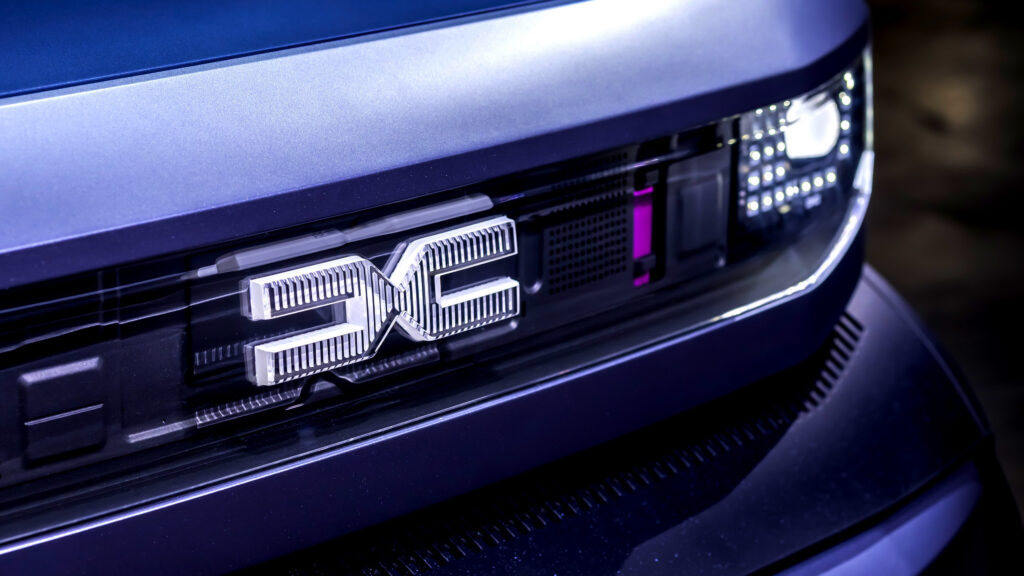
Romanian carmaker Dacia is preparing to expand its model range
Dacia, Romania’s largest car manufacturer, plans to significantly update and expand its list of available models this year. Two completely new cars are on the way, but neither will be produced in the brand’s homeland.
Among the main novelties:
The new C-Neo estate will be produced in Turkey
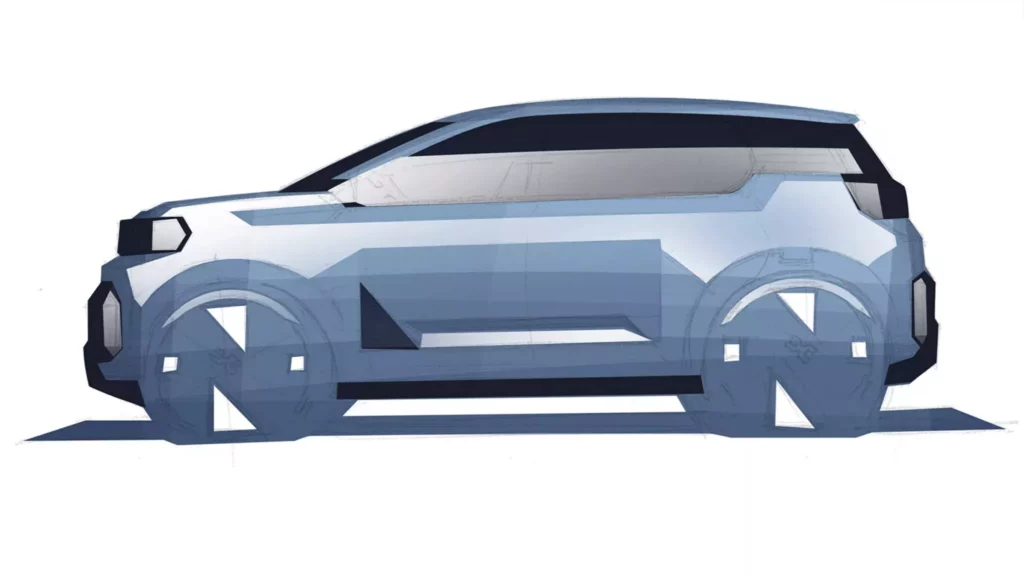
The first to hit the market will be a new model in an estate body with crossover elements, known under the codename C-Neo. It is aimed at the popular compact segment. Initially, it was planned to produce the C-Neo in Romania, but the final decision was in favor of production in Turkey. This means that the Romanian plant in Mioveni will focus exclusively on the production of Duster and Bigster models.
The decision leaves Dacia’s Romanian plant in Mioveni focused exclusively on the Duster and Bigster.
Technically, the C-Neo will be built on the already known CMF-B platform. The car will be offered with a whole range of powertrains: petrol, LPG, micro-hybrid and full hybrid systems based on a 1.2-liter turbocharged three-cylinder engine.
In terms of design, the new estate will inherit features from the Sandero Stepway model, receiving rugged exterior elements such as muscular wheel arches and roof rails.
An affordable electric city car based on the Twingo
Another significant novelty will be the future Dacia electric car, created on the basis of the Renault Twingo. Its price will not be lower than the Chinese Dacia Spring, but it is expected to start at approximately 18,000 euros, making it one of the most affordable electric cars on the European market. Production of this model will be established at the Dacia plant in Novo Mesto, Slovenia.
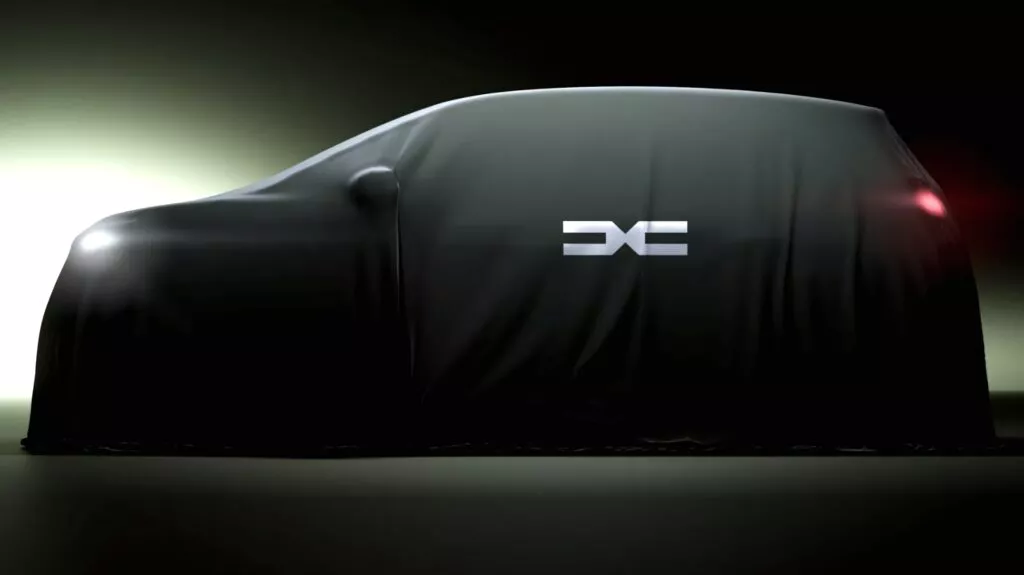

The brand has identified the A-segment (city cars) as an important growth driver for the electric car market, which is why it is launching a new model to compete in it. Despite proportions similar to the Twingo, the design of the new model will be completely unique.
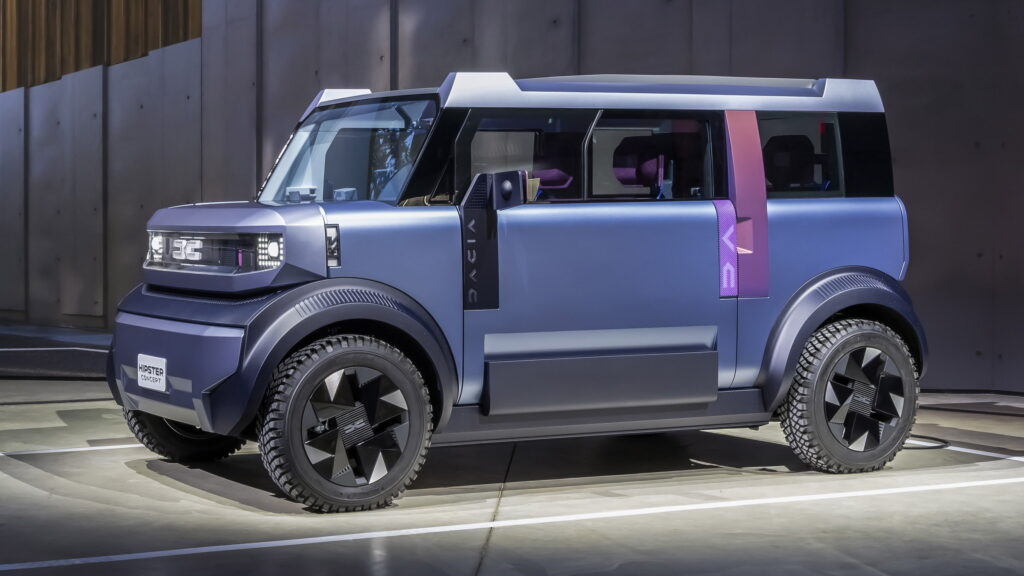

Dacia’s international production strategy
These decisions continue the trend of internationalization of Dacia’s production. For example, Sandero and Jogger models are already produced in Morocco, which helps reduce costs. The brand has transformed from a national manufacturer into a player with a global production network, strategically placing the production of different models in countries with the most favorable conditions.

A similar strategy allows the company to effectively control costs while remaining one of the leaders in affordability in the European market. Expanding the model range, especially with an electric model in the affordable segment, could significantly strengthen Dacia’s position in the context of the general electrification of the vehicle fleet. At the same time, keeping the production of key crossovers at the main plant in Romania underscores their importance to the brand and the market.