



Canada Demands Millions Back from Automakers
The Canadian government is seeking to recover hundreds of millions of dollars from Stellantis and General Motors after these American automakers announced significant job cuts in the country. Industry Minister Mélanie Joly confirmed that Canada will pursue the return of financial incentives provided to GM to support its Canadian operations.
Key points of the situation:
Negotiations and Investments
Negotiations between Canadian government officials and Stellantis have been ongoing since November, focusing on how and when the automaker might return public funds. Canada provided over 1 billion Canadian dollars (approximately 731 million US dollars) to help Stellantis modernize its plant in Brampton, Ontario, and keep production in the country.
“A significant portion of our support was tied to production, and so if there is no production, obviously there should be no funding,” she stated during a recent cabinet meeting.
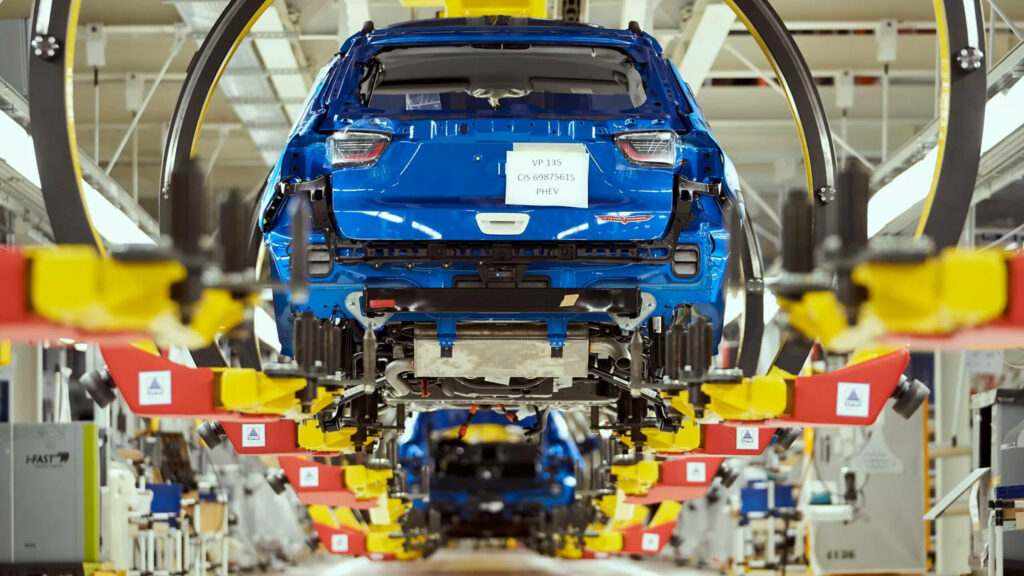
Despite these investments, Stellantis last year announced the relocation of Jeep Compass production from Brampton to a plant in Illinois. Joly has publicly stated that legal action remains possible if the funds are not returned.

Claims Against General Motors
The federal government is also considering seeking a refund from GM, which recently scaled back operations in Ontario. The company canceled the third shift at its Oshawa assembly plant and halted production of its BrightDrop electric vans in Ingersoll.
Joly stated that as a result, Ottawa will seek the return of part of the 260 million Canadian dollars provided to support GM’s operations.
Complexity of Recovering Funds
The question of whether the government can recover the money remains open. According to Toronto lawyer Mark Warner, recovering funds can be complicated due to the structure of loans and payments.
“Demanding money back from companies can be seen as an aggressive response with a hint of finality that governments traditionally try to avoid, in order to preserve the possibility for future investments,” he said.


Looking to the Future
As Canada feels the repercussions from the actions of Stellantis and GM, it is looking to the future. The country not only hopes that a new trade deal with China might encourage Chinese brands to build cars locally, but also wants to persuade Hyundai and Volkswagen to do the same.
This situation highlights the complexity of balancing government support for strategic industries with guarantees from corporations. Outcome-linked financing approaches, such as tying support to maintaining production, are becoming more common, but their practical enforcement often faces challenges when business plans change. Ottawa’s success or failure in this matter could set an important precedent for future deals between the government and the private sector, especially in the context of the transition to electric vehicles and the global restructuring of the auto industry.