


Waymo robotaxis create chaos in an Atlanta cul-de-sac
When Waymo robotaxis work properly, their capabilities are impressive. However, when they start behaving strangely, it can be either very funny or dangerous.
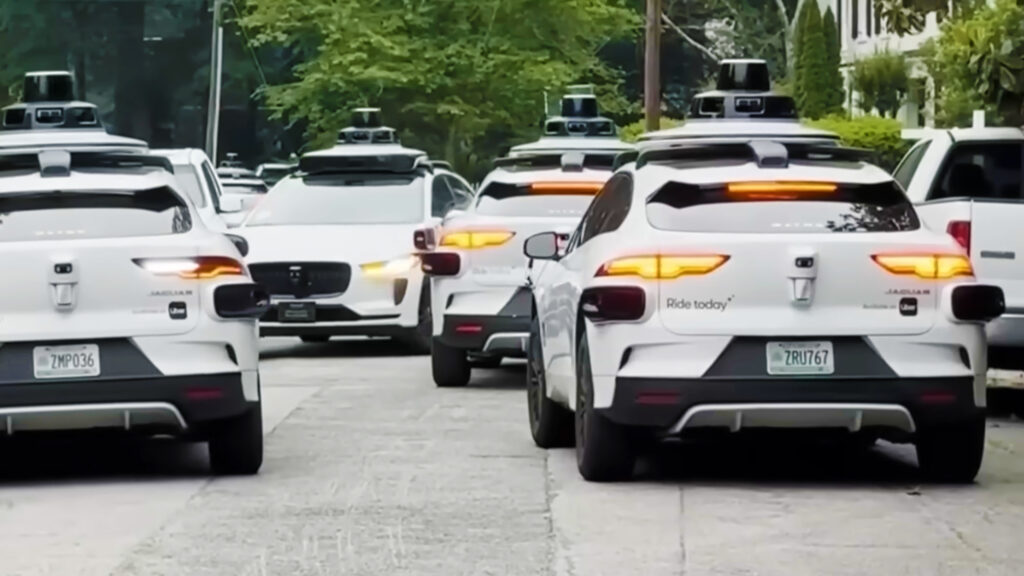
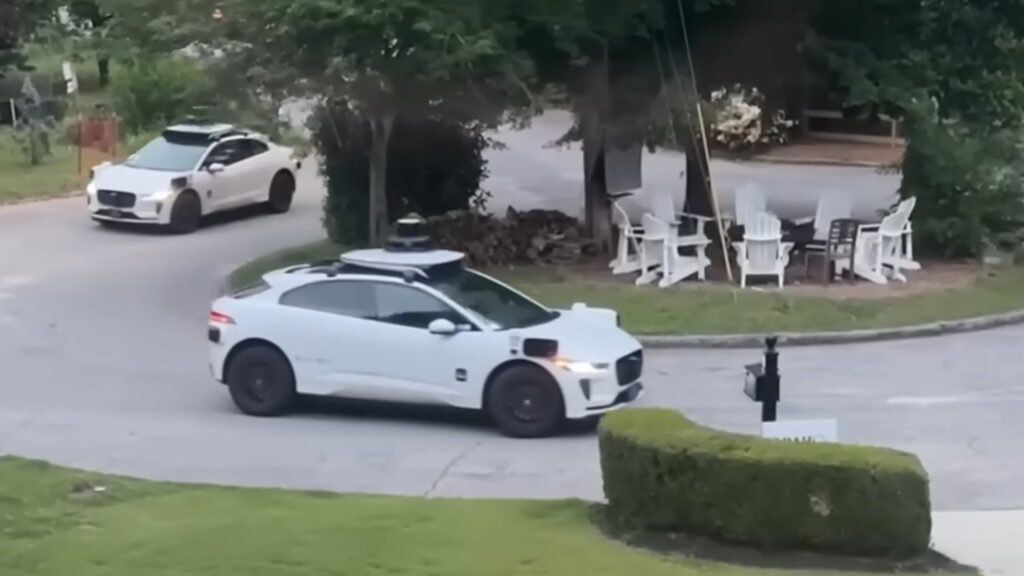
Residents of a cul-de-sac in the Buckhead area of Atlanta, Georgia, report that in recent weeks, dozens of Waymo vehicles have been appearing erratically in their neighborhood. The robotaxis are also gathering in other nearby dead ends, and Waymo has not explained the reasons for this phenomenon.
Up to 50 robotaxis per hour
According to one resident who spoke with WSB-TV, earlier this week between 6:00 and 7:00 AM, up to 50 Waymo robotaxis drove through the cul-de-sac. The extra traffic is a nuisance, but locals say the bigger issue is the safety risk, since children and pets live nearby.
The sign worked, but not perfectly
Waymo cars are known to appear on the street without passengers, as if they have learned from their human developers to gather for a break. To deter the robotaxis from entering the dead end, residents installed a bright green sign depicting a child crossing the road.
While this stopped the Waymo vehicles, it caused up to eight of them to stop on the street, desperately trying to perform three-point turns and reverse. It looks quite funny, but we understand why the neighboring residents are not very pleased.
Waymo’s reaction
In a statement to Road & Track, Waymo said it has already resolved the issue of strange routing of its autonomous vehicles in Atlanta, though it did not specify the cause.
“At Waymo, we strive to be good neighbors,” the company stated. “We take community feedback seriously and have already addressed this routing issue. With over 500,000 weekly trips nationwide, our service has proven to significantly reduce road injuries and improve safety. We value our relationship with Atlanta residents and are focused on providing a seamless, respectful, and safe experience for riders and residents.”

This incident highlights how vulnerable even the most advanced autonomous driving systems can be to unpredictable real-world situations. Although Waymo responded quickly to the problem, the lack of a clear explanation for the failure raises questions about the company’s transparency. For area residents, it served as a reminder that technology, while useful, sometimes requires additional oversight, especially when it comes to the safety of children and pets. The use of a simple road sign as a temporary solution demonstrates how human ingenuity can temporarily solve problems created by algorithms.