


The Murkiness of the Secondary Market
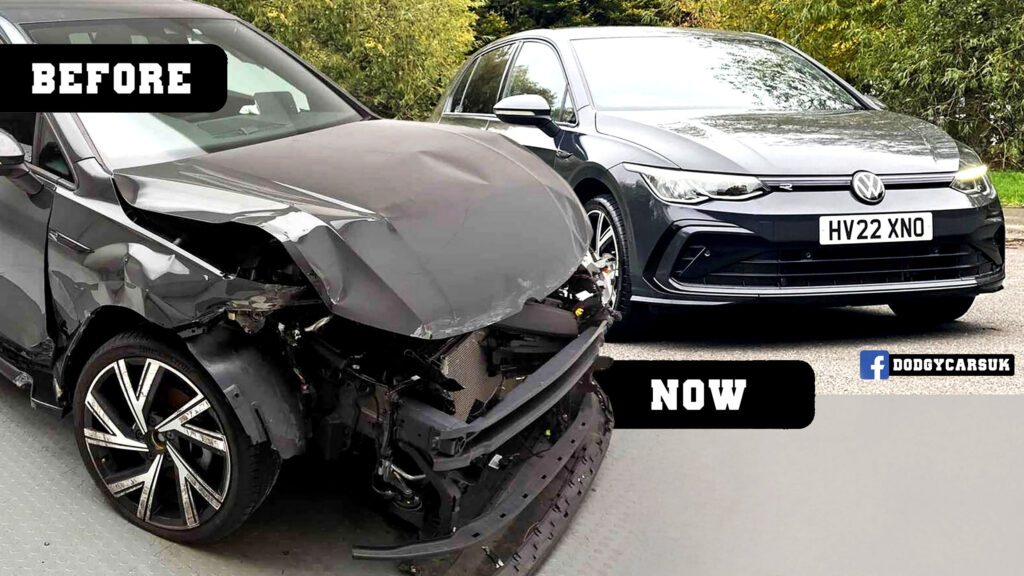
The used car market can be a rather murky place, where even the neatest ad can hide an unpleasant truth. This is especially noticeable on social media, where presentation plays a key role. However, the same platforms have given life to projects like Dodgy Car — a British Facebook page that dispels the fog by pointing out ads that hide a dubious history.
According to information published on the Dodgy Car page, not all damaged or heavily crashed cars are reflected in the HPI report, which is the primary vehicle history report in the UK. In some cases, data on insurance claims does not immediately enter the MIAFTR database, and updates can appear months or even years later.

Investigation Methods
Cross-referencing the VIN code through specialized databases and archived ads can sometimes reveal a car’s past life. This is the method used by the page’s administrators and its subscribers, who usually back up their claims with screenshots and photos from previous auctions or ads.
The goal, at least the stated one, is to help potential buyers make more informed decisions and avoid potentially misleading offers.
Many of the cars pointed out are described as unmarked crashed vehicles purchased from salvage auctions like Copart. After body repairs and often a quick cosmetic refresh, such as painting the wheels black, they reappear on the market, presented in “like new” condition.
In the absence of official markings, a standard history check can show a clean result, potentially leaving the buyer with a car that may have hidden structural repairs and a market value much lower than what was paid.
Tesla Back from Hell


One of the most striking examples published on the page concerns a white 2022 Tesla Model Y Long Range with 36,500 miles on the clock. Although the original ad has been deleted, a published screenshot shows a price of £21,000.
The images in the ad showed a clean, well-maintained electric car. However, archival materials from a 2025 auction appear to show the same car after a serious accident.
Both wheels on the right side of the Model Y were torn off along with suspension components, creating the impression it was damaged by debris from a failed SpaceX mission to Mars. The side airbags were deployed, and various body panels, including fenders and doors, were severely deformed.
The damage was significant enough for the electric crossover to receive a “CAT S” classification, indicating structural damage and an insurance write-off according to British regulations. Despite this marking, the car reportedly later appeared in an ad marked “HPI Clear.”
Time Travelers and Tainted Histories

Another case they highlight concerns a white 2017 Audi A1 hatchback with black leather upholstery, described in a recent ad as being in “immaculate condition.” Archival records indicate that in 2019, the same car, albeit with different license plates, was presented on a salvage auction site with damage to the front left side, chassis, deployed airbags, and a missing rear bumper.
Not every dubious ad is related to crash damage. Here, for example, is a black 2017 Toyota Avensis that somehow managed to travel back in time, reducing its mileage from 159,553 miles to 63,335 miles over a few years.
The latest ad for the Toyota diesel sedan even includes mileage data from MOT records for 2018, 2022, 2023, 2024, and 2025. The discrepancy appears at the beginning of the record, although there are no explanations in the documents.
Of course, the lists are not short of crashed BMWs and Mercedes-AMGs, plus a suspiciously large number of Volkswagen Golfs. Several Porsches and Mustangs also appear, gleaming on the outside, hiding a less glamorous past. The real problem is not that these cars were repaired. The problem is that the accident history too often disappears somewhere between the repair shop and the seller.
A Borderless Problem

This problem is not limited to Britain. In the United States, a similar practice exists, known as “title washing,” where a written-off car is re-registered in a state with different disclosure requirements. Under certain circumstances, a car with a previous “Salvage” status can be issued new documents that do not reflect its previous condition.
Whichever side of the Atlantic you are on, caution is always appropriate. Never take an ad at face value. Check the VIN in more than one database where possible, verify MOT or service history, and be sure to show the car to a qualified mechanic before buying. Glossy advertising and a clean interior can be convincing. But documents and proper inspection are usually more convincing.
The phenomenon described by the Dodgy Car page is a systemic challenge for the entire used car market. It points to gaps in data sharing between insurers, registration authorities, and repair shops. Buyers today have to rely not only on official reports but also on their own caution and public initiatives that act as independent watchdogs. The success of such projects indicates a huge demand for transparency and trust in a segment where financial risks for the end consumer can be very high.