


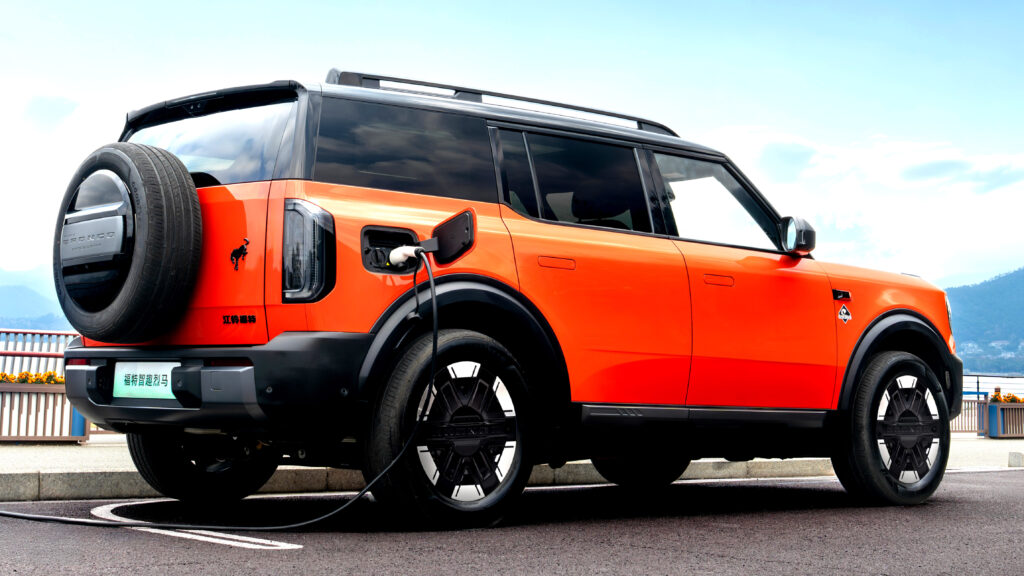
A Challenging Market for Foreign Players
The Chinese automotive market, being the largest in the world, remains a complex challenge for foreign automakers. Local manufacturers maintain dominant positions at home as the market continues to rapidly transition to electric and plug-in hybrid vehicles. In 2025, domestic demand for these so-called new energy vehicles grew by 18 percent. This contrasts with the situation in Europe and the US, where a slowdown in the transition to electric vehicles is coming to the fore.
Technological Advantage of Chinese Brands
One reason why imported cars are losing appeal is the ability of local manufacturers to adapt to technological changes and implement updates significantly faster. Brands such as BYD, Geely, and Changan are constantly competing with each other in technological features, leaving Western manufacturers behind.
The ability of Chinese automakers not only to develop and implement new technologies but also to seamlessly integrate with other existing Chinese technological environments, such as the “super-apps” WeChat and AliPay, is something consumers highly value.

According to Xiao Feng, this could mean that foreign automakers may be almost completely pushed out of the Chinese market by 2030. With the exception of a few major players like Tesla, Toyota, and Volkswagen, imported brands will find it difficult to compete in terms of both functionality and electric vehicle technology.
Slowdown in the Passenger Car Market
Although the transition to electric and plug-in hybrid vehicles is progressing rapidly, last year China’s passenger car market grew at its slowest pace in the last three years, showing an increase of only 4 percent to a total of 23.7 million cars.
Meanwhile, electric vehicle sales were supported by local subsidies: in 2025, incentives could reach $2,900 when consumers traded in an old car for an electric or hybrid vehicle. About 11.5 million car sales were made through this program, although in December, new car sales reportedly fell by 14% because incentive budgets in some regions were “exhausted.”


Beijing is reportedly considering cutting subsidies in 2026. Meanwhile, fierce local competition continues to affect both domestic and foreign brands, many of which seem locked in a price war. One study by the China Automobile Dealers Association claims that only 30 percent of dealers remained profitable in the first half of 2025, with 75 percent of those surveyed admitting to selling at least a few cars below cost.
Restructuring of Foreign Automakers
Last year, Mitsubishi left the Chinese market, ceasing all production and sales, while Jaguar Land Rover also significantly reduced its product offerings. Volkswagen stopped car production at its Nanjing plant. Even Tesla, likely the strongest non-local player, recorded a sales drop of approximately 5 percent, while also losing the title of the world’s best-selling electric vehicle to BYD.
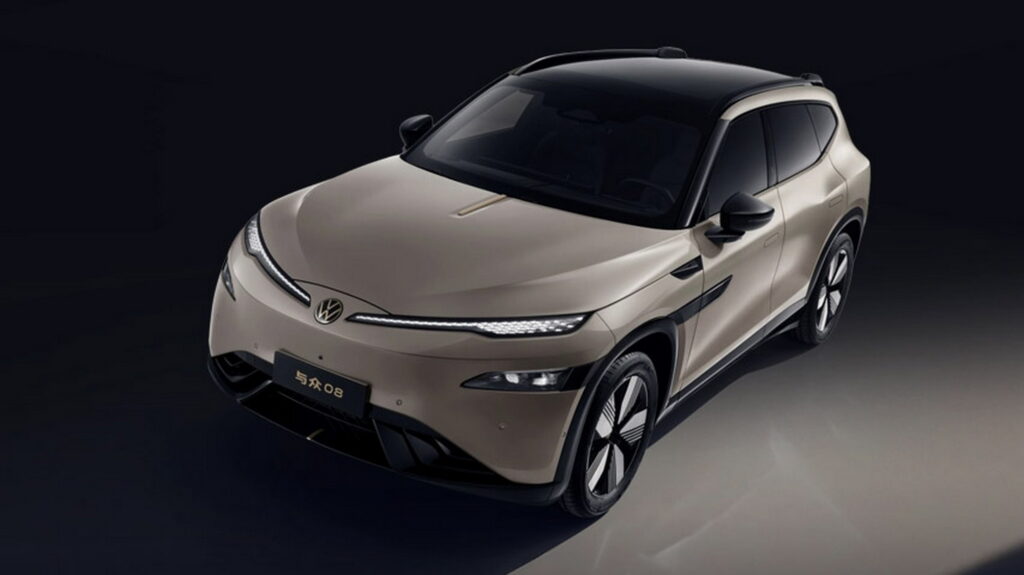
However, as China remains the largest market, many other manufacturers are choosing restructuring over a complete exit. Toyota is building a new Lexus electric vehicle plant in Shanghai, Volkswagen is preparing to launch an entire lineup of models specifically designed for China, and General Motors will offer all its products with an electric or plug-in hybrid option.
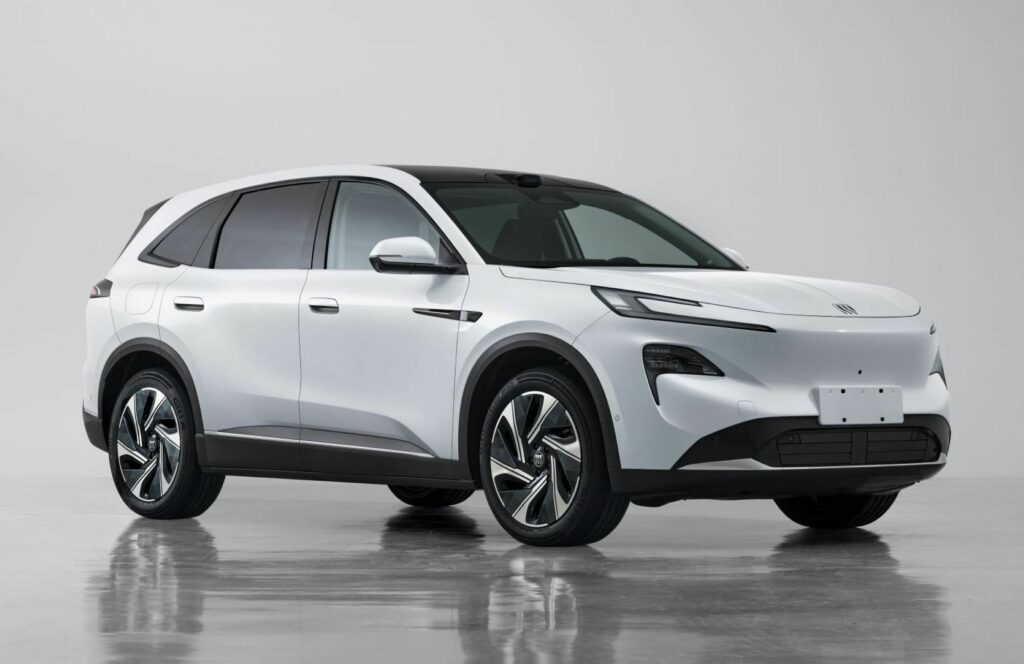

These changes point to a profound transformation of the global automotive landscape, where technological leadership and speed of adaptation are becoming decisive factors for survival. Chinese manufacturers are not just copying Western models but are creating their own ecosystem that increasingly aligns with local consumer preferences and digital habits. The future of foreign brands in the region will likely depend on their ability to localize not only production but also development, integrating into this specific technological and cultural environment. The competitive conditions have already changed, and the responses of traditional auto giants to these challenges are shaping a new picture of the world’s automotive industry.