


Document Fraud: How a ‘Good’ Dealer Cheated Buyers
Buying a new car often comes with risks of fraud and dishonest dealer practices. Unfortunately, the used car market has no fewer problems, and one dealer from Utah clearly demonstrates this. According to the investigation, The Good Car Dealer company used forged signatures, fake notary seals, and fictitious documents to turn hail-damaged vehicles into much more valuable merchandise. If the allegations are confirmed, this was not just careless paperwork but a systematic attempt to bypass buyer protections.
Charges and Legal Proceedings
According to court documents released by Cowboy State Daily, Scott Keith Pryor, owner of The Good Car Dealer in Salt Lake City, now faces 15 criminal charges of falsifying, altering, forging, or counterfeiting vehicle title documents. Laramie County District Court Judge found sufficient grounds to issue an arrest warrant on June 4. Each charge carries a penalty of up to two years in prison and a fine of $5,000.
The Title Washing Scheme
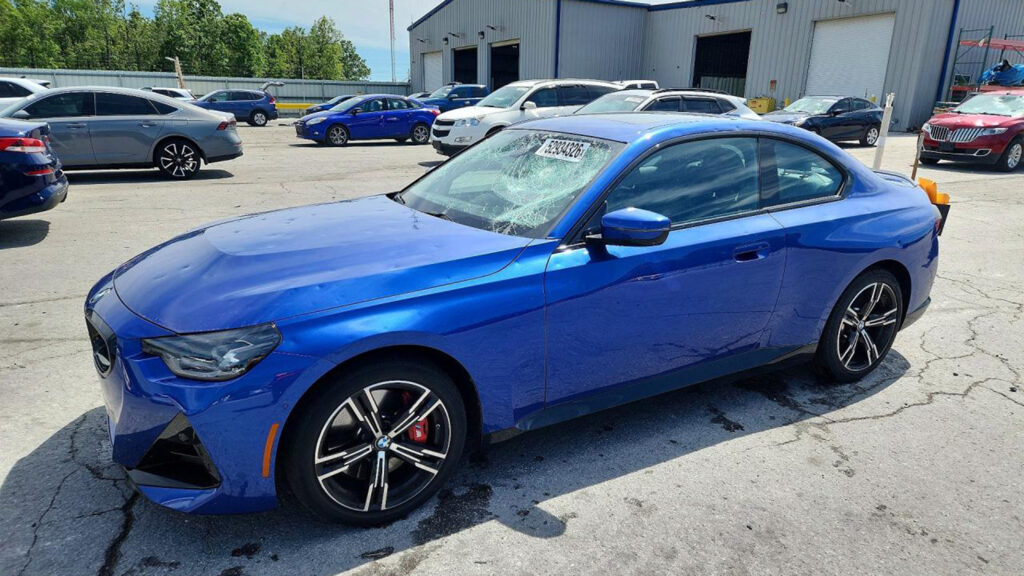
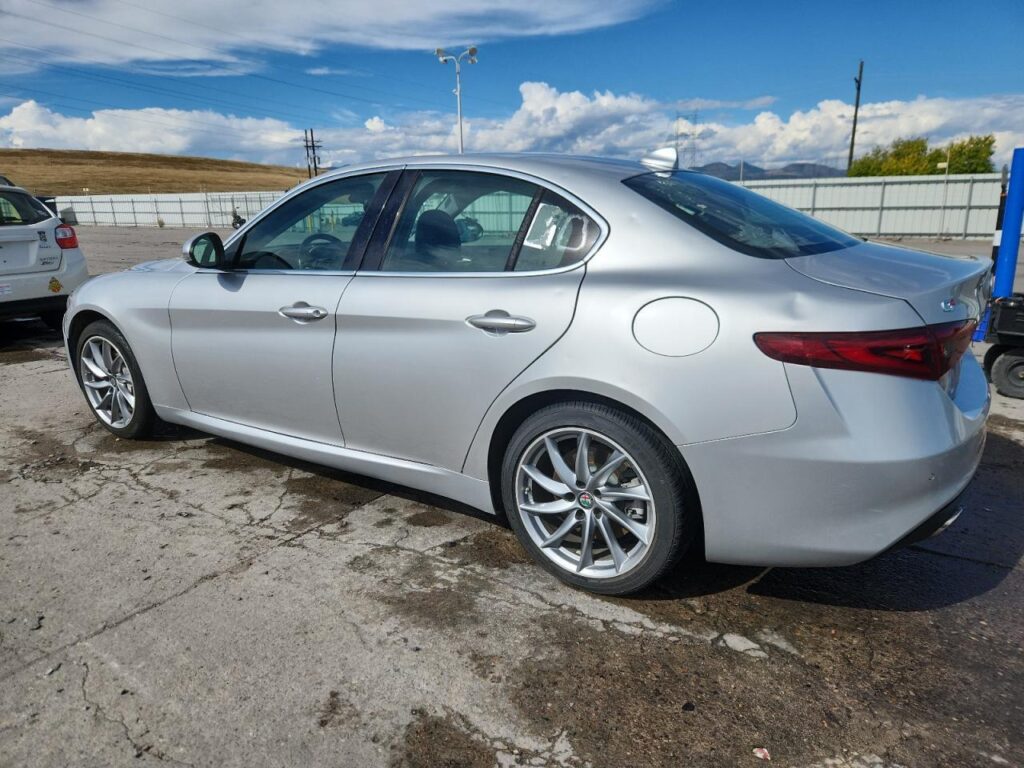
Police uncovered potential fraud after noticing duplicate applications for vehicle titles for cars damaged during a severe hailstorm in August last year. These vehicles were purchased at Copart auctions after insurance companies reclaimed them following payouts. In total, Pryor bought around 292 vehicles worth nearly $2 million, but 15 of them are central to the case. This is where suspicious documents begin to emerge, leaving many questions for investigators.

Forgery of Signatures and Notary Seals
Investigators claim that Pryor submitted duplicate title applications, stating that the originals were lost. One application allegedly bore the signature of a Wyoming woman who had died a few weeks before the hailstorm. Several notaries later told investigators that neither the signatures nor the seals on the documents were theirs, and several vehicle owners denied signing any title documents.
Pryor told investigators that he used the services of a company called Tennessee Titles, which he supposedly found via Facebook, paying about $150 per application. The individuals behind this operation were only identified as “Rashard” and “Ms. Catherine.” Investigators say Pryor could not provide records confirming the company’s legitimacy or proof of payments. All this leads to where buyers suffer the most.
Consequences for Buyers
WYDOT investigator Shane Fox alleges that Pryor used this scheme to sell hail-damaged cars as if they had clean, non-accident titles. It is unclear whether buyers of these vehicles will be compensated, and what the state plans to do with each of them, as they may be considered evidence in the case against Pryor. Carscoops has reached out to WYDOT for more information.
This case serves as another reminder of how vulnerable the used car market can be, especially when it comes to vehicles with serious damage. The use of forged documents to “wash” accident titles allows dishonest sellers to hide the true condition of a car, which can lead to severe financial losses and even safety risks for unsuspecting buyers. The case of Scott Pryor highlights the importance of thoroughly checking a vehicle’s history and documents before purchase, as well as the need for stronger oversight of companies offering title services.