


This summer, car buyers who are not chasing the hottest new models may gain an unexpected advantage. Fresh market data indicates that inventories of several popular models at dealerships across the country have increased significantly. This level of supply typically leads to larger discounts, more favorable financing offers, and a greater willingness of sellers to negotiate. If you have been waiting for the market to become favorable for buyers again, now might be that moment.
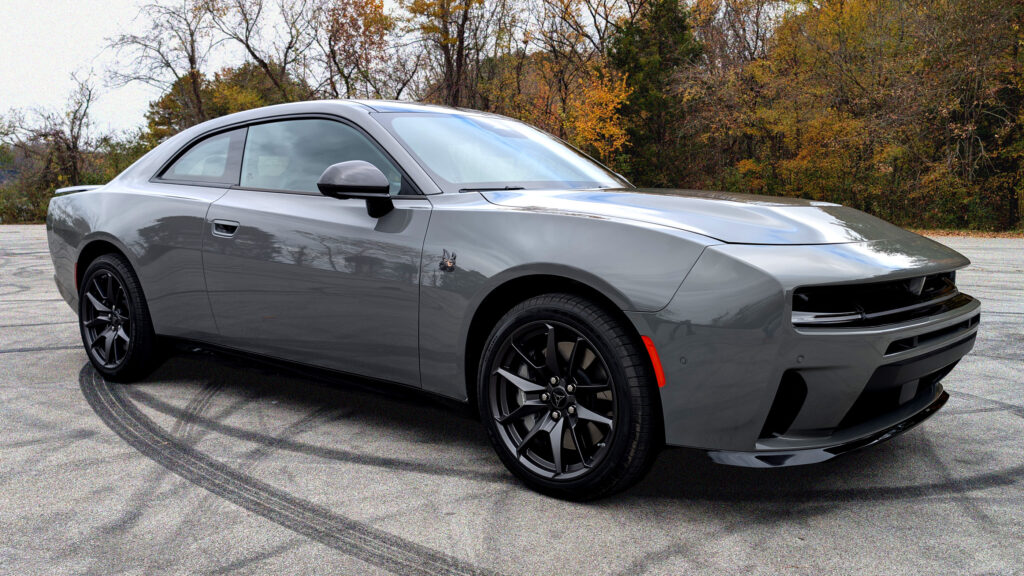
Leader in days to sell: Dodge Charger
According to CarEdge’s Market Days Supply (MDS) report for July 2026, the cars spending the longest time on lots are not necessarily bad. Many are simply affected by shifting market trends, consumer preferences, or have fallen victim to overproduction that exceeds current demand.

The undisputed leader of the ranking is the 2026 Dodge Charger with a staggering 385-day supply. CarEdge estimates that 10,796 such cars are sitting on dealer lots nationwide, while only 1,261 have been sold in the last 45 days. Whether buyers are waiting for additional incentives, eyeing other trims, or simply getting used to the new era of the Charger, the result is the same — buyers have an excellent opportunity to negotiate in Dodge showrooms. Whether you like the new Sixpack engine or not, this car remains one of the most practical American sports sedans on the market.
Electric vehicles and SUVs on the list
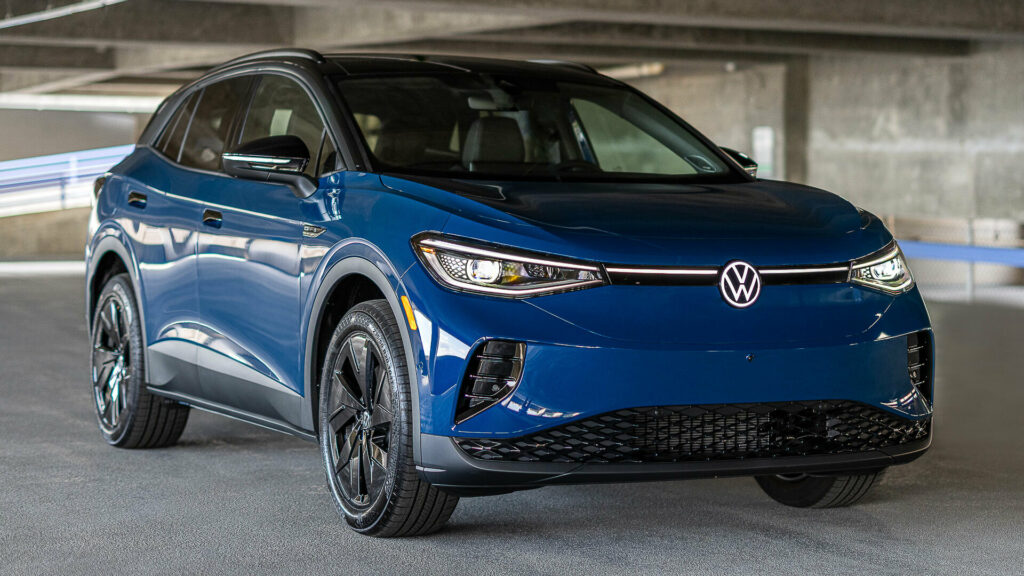
Electric vehicles also feature prominently in the ranking. The Volkswagen ID.4 takes second place among mass-market models with a 349-day supply, while the Buick Envision lands in the top ten with 227 days, despite selling nearly 2,650 units over the same period. These figures indicate that dealers still have ample inventory to clear.
Jeep models occupy a significant portion of the list. The two-door Wrangler has a 230-day supply, and the Gladiator has 222 days. The Grand Wagoneer (215 days), Grand Wagoneer L (204 days), and the all-new Cherokee (199 days) are also among the slowest-selling mass-market cars in the US.
Full ranking of slowest-selling cars

| # | Model | MDS | In Stock | Sold | Average Price |
| 1 | 2026 Dodge Charger | 385 days ▲ 2% | 10,796 | 1,261 | $58,560 |
| 2 | 2026 Volkswagen ID.4 | 349 days ▼ 21% | 1,172 | 151 | $46,408 |
| 3 | 2026 Polestar 4 | 318 days ▼ 23% | 658 | 93 | $70,519 |
| 4 | 2026 Alfa Romeo Giulia | 270 days ▲ 34% | 150 | 25 | $53,937 |
| 5 | 2026 Audi SQ7 | 255 days ▼ 10% | 402 | 71 | $105,300 |
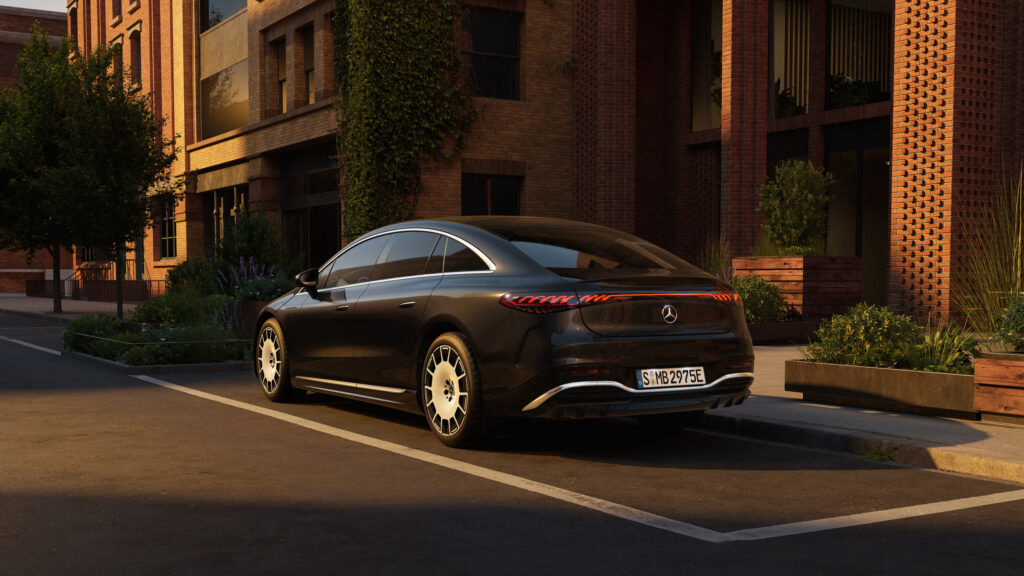
| 6 | 2026 Mercedes-Benz EQS | 243 days ▲ 11% | 324 | 60 | $112,745 |
| 7 | 2026 Maserati Grecale | 233 days ▼ 39% | 249 | 48 | $95,889 |
| 8 | 2026 Jeep Wrangler 2-Door | 230 days ▼ 18% | 8,020 | 1,567 | $41,729 |
| 9 | 2026 Alfa Romeo Stelvio | 229 days ▲ 6% | 183 | 36 | $57,967 |
| 10 | 2026 Buick Envision | 227 days ▼ 3% | 13,373 | 2,648 | $46,293 |
| 11 | 2026 Jeep Gladiator | 222 days ▼ 9% | 18,209 | 3,688 | $49,670 |
| 12 | 2026 GMC Savana Cargo | 220 days (New) | 1,354 | 277 | $49,047 |
| 13 | 2026 Porsche Taycan | 218 days ▼ 18% | 922 | 190 | $148,464 |
| 14 | 2026 Jeep Grand Wagoneer | 215 days (New) | 10,321 | 2,163 | $77,842 |
| 15 | 2026 Jeep Grand Wagoneer L | 204 days (New) | 3,116 | 688 | $83,053 |
| 16 | 2026 Jeep Cherokee | 199 days (New) | 15,699 | 3,556 | $39,820 |
Source: CarEdge. * “New” means the model was not in the top ranking last month.
What this means for buyers
For buyers, this is very significant. The Wrangler and Gladiator have often commanded high prices with little room for negotiation, but increasing inventory changes this dynamic. Large and more expensive models, such as the Grand Wagoneer, could become particularly attractive if dealers start offering more aggressive incentives.
A high MDS figure does not necessarily mean a car is unpopular or defective. It simply shows how long current inventory would last given the current sales pace. The higher this figure, the more pressure dealers feel to sell cars. This means that if one of these models is already on your shopping list, now is the time to ask for a better price instead of paying full retail.
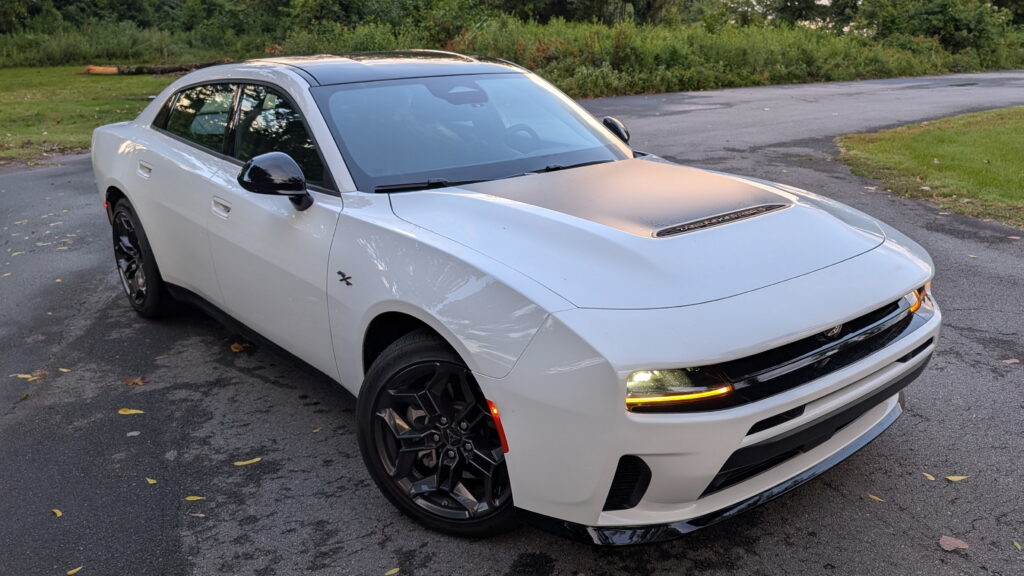
Interestingly, high inventory is observed in both traditional gasoline models and electric vehicles, indicating a general market cooldown following a period of shortage. For buyers, this creates a unique window of opportunity, especially for models that were previously hard to find with a discount. It is worth noting that the average price of even these “slow” models remains high, so negotiations can be very worthwhile. The situation with Jeep, in particular, is telling: a brand that traditionally held firm on pricing is now forced to compete for buyers, making its models more accessible than they have been in years.