


New Generation Dodge Durango on the Way
Production of the next generation of the full-size Dodge Durango SUV will officially begin in 2029 at the Stellantis Jefferson North Assembly Plant in Detroit. Although the vehicle’s arrival on the roads is still several years away, the first renderings are already appearing, attempting to visualize the future look of the SUV.
Since Dodge has not even begun road testing prototypes of the new model, let alone released official teasers, it is difficult to say exactly what design the company will choose. However, it is most likely that it will not be a radical departure from the existing concept.
A complete visual overhaul seems unlikely, but borrowing cues from the new Charger is a safer bet.
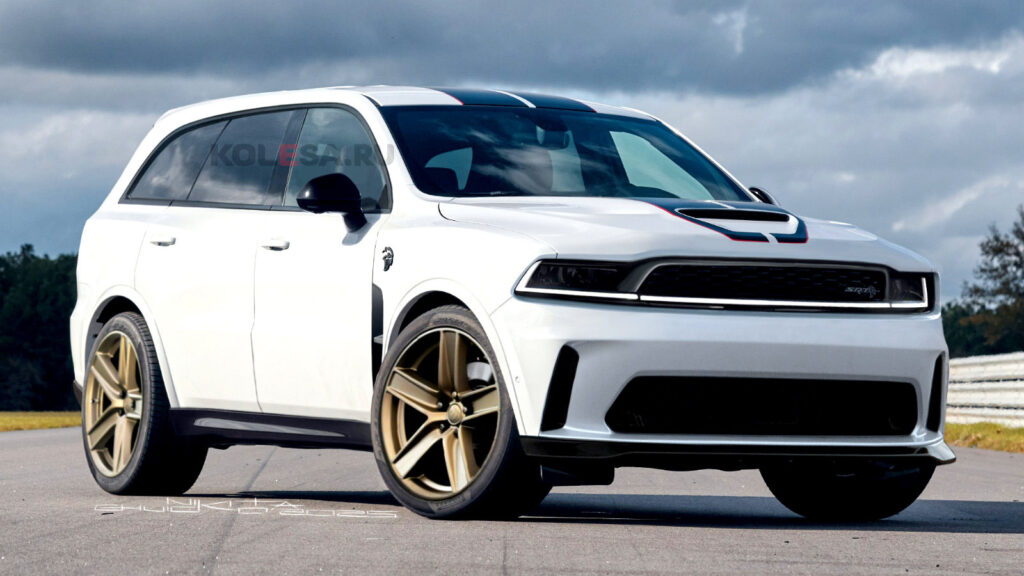
Non-official visualizations created by Mykyta Chuik for Kolesa develop precisely this idea. They are, of course, not official, but they point to a plausible visual direction, considering Dodge’s recent steps.
Expected Design and Exterior
The front end, according to the renderings, will get rectangular headlights connected by an LED strip running under a darkened upper grille, similar to the Charger. A second grille will be located lower on the bumper, complemented by two air intakes and a darkened splitter. The hood will also be new, with more complex sculpting complementing the updated front end.


The car’s profile will evolve but not completely abandon its roots. The door surfaces will retain familiar lines, but glossy black B- and C-pillars will now integrate the redesigned side windows into a more cohesive glass surface. A black side skirt will add contrast, making the shape more balanced.
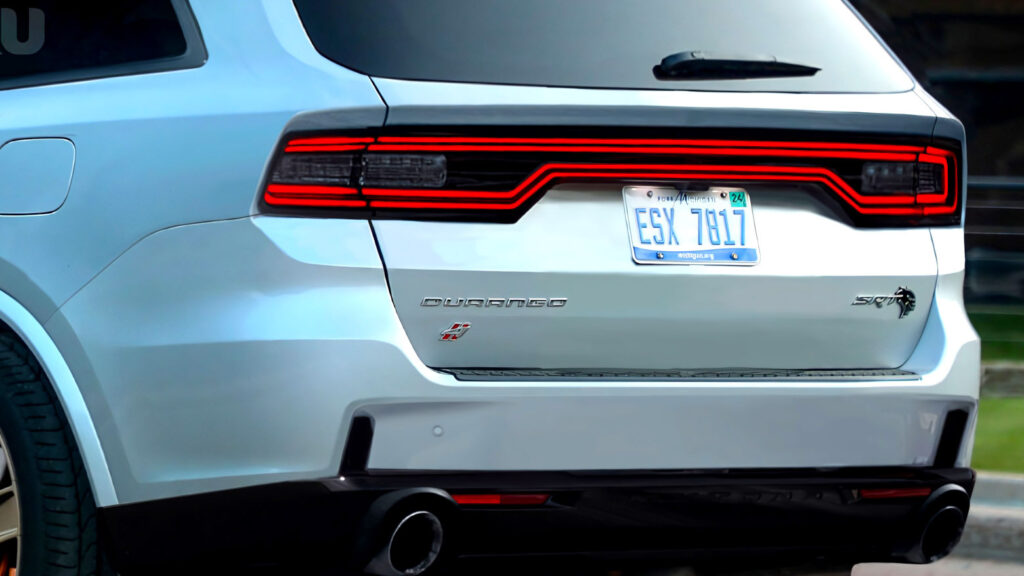
The rear end in the renderings gets Charger-style taillights and prominent dual exhaust tips integrated into a darkened lower bumper.
Powertrain Questions
It is still too early to talk about what engines the new generation Durango will offer. The regulatory climate by 2029 could change, affecting emissions requirements.
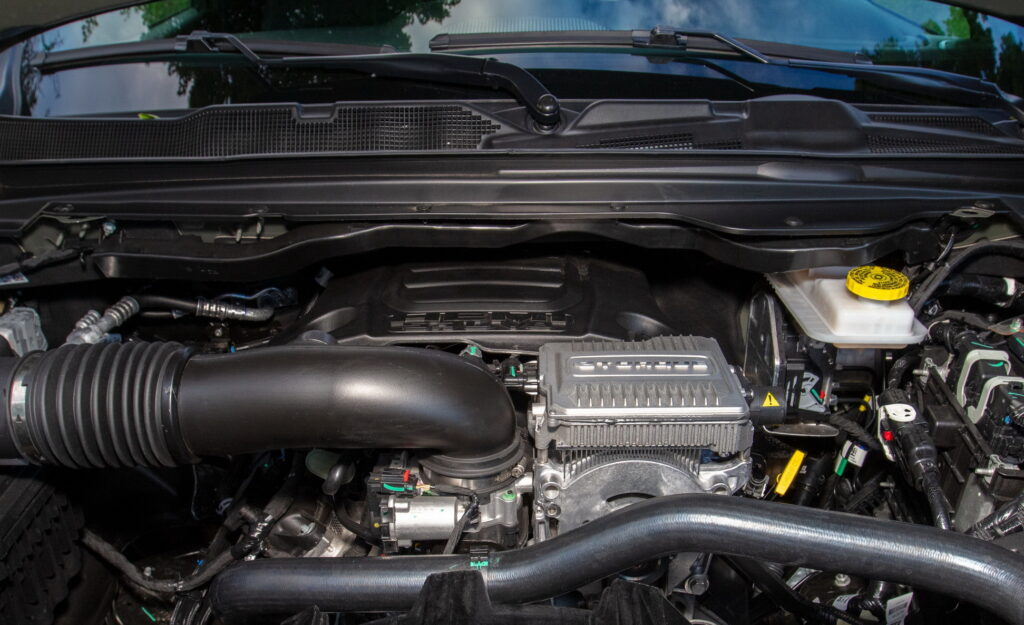

If regulations allow, Dodge will likely retain V8 engines, even if it means modernizing the current Hemi engines to meet requirements.
One strong possibility is the 3.0-liter twin-turbocharged inline-six Hurricane engine, already used in several Jeep models and recently appearing in the new Charger Sixpack. This engine could easily find a place under the Durango’s hood.
A hybrid powertrain is also being considered, especially if demand in North America continues to grow.
However, given the sluggish demand for the electric Charger, a fully electric version of the Durango by 2030 seems unlikely.

Plans to produce the new Durango in 2029 point to Stellantis’s long-term strategy for key models in the American market. The fact that the model will remain at the same plant indicates investment in traditional production capacity alongside the development of electric vehicles. The choice of potential powertrains—from V8s to inline-six turbo engines and hybrids—reflects a transitional period in the automotive industry, where manufacturers are trying to balance power, efficiency, and regulatory requirements. The success of this model could largely depend on exactly what emissions regulations will be in place by the end of the decade, making the Durango a kind of barometer for the entire industry.