 by
by Reaction to the Trade Deal
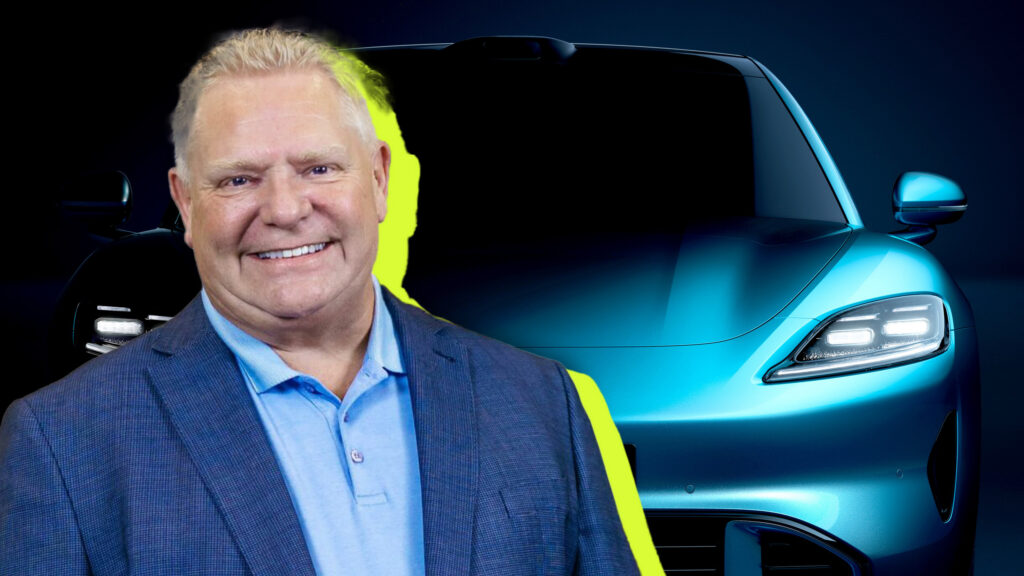
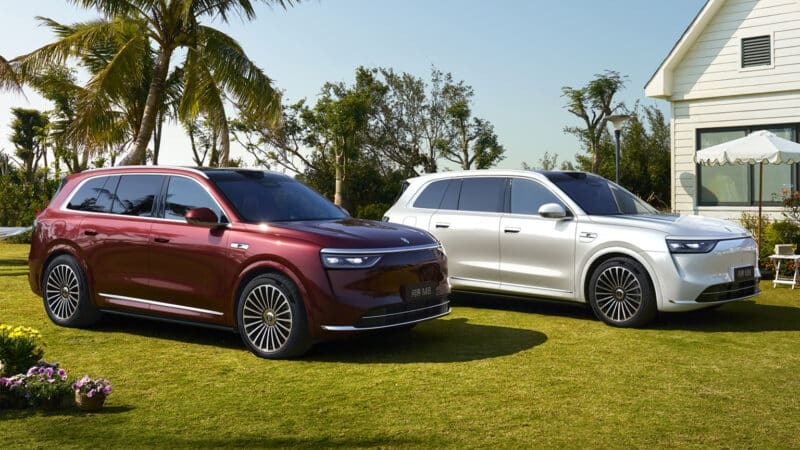
Just days after Canada and China agreed on a trade deal to sharply reduce tariffs on Chinese electric vehicles, Ontario Premier Doug Ford went on the offensive. He warned that this move could deal a serious blow to Canada’s domestic auto industry and urged Canadians to completely avoid Chinese electric vehicles and ‘boycott’ them. In his view, the deal risks local jobs and undermines the country’s manufacturing base.
Ford did not wait for the details of the deal to emerge to express his concerns. Long before the tariff change was confirmed, he was already firmly against any automotive trade deal with China. In the Ontario Premier’s opinion, Prime Minister Mark Carney pushed the deal through without proper consultations.
Protecting Local Jobs
At a press conference, Ford stated:
Maybe a few people will buy them, and I’m just telling everyone not to buy a Chinese car. But if they decide to do it, what will the price be? The price will be your neighbor down the street’s job in the auto sector that he or she will lose? Boycott Chinese EVs. Support the companies that are building cars here. That’s Team Canada’s approach. We need to stick together.

Questions About Real Benefit
Announcing the sharp tariff reduction, Mark Carney stated that several Chinese automakers had already expressed interest in building affordable electric vehicles on Canadian soil. Under the new deal, 49,000 electric vehicles from China can be imported into Canada at the lower tariff rate of 6.1 percent. While Carney would welcome local production by Chinese brands, Ford is not convinced by this idea.
He noted: “The numbers just don’t add up. Even if they start assembly, what about the supply chain? They come and assemble, but bring all Chinese parts; that means nothing. We want to make sure we’re building Canadian cars by Canadians, with Canadian research and development, specifications and everything else, and from Canadian steel and aluminum. It’s that simple.”
Are EV Incentives Needed?
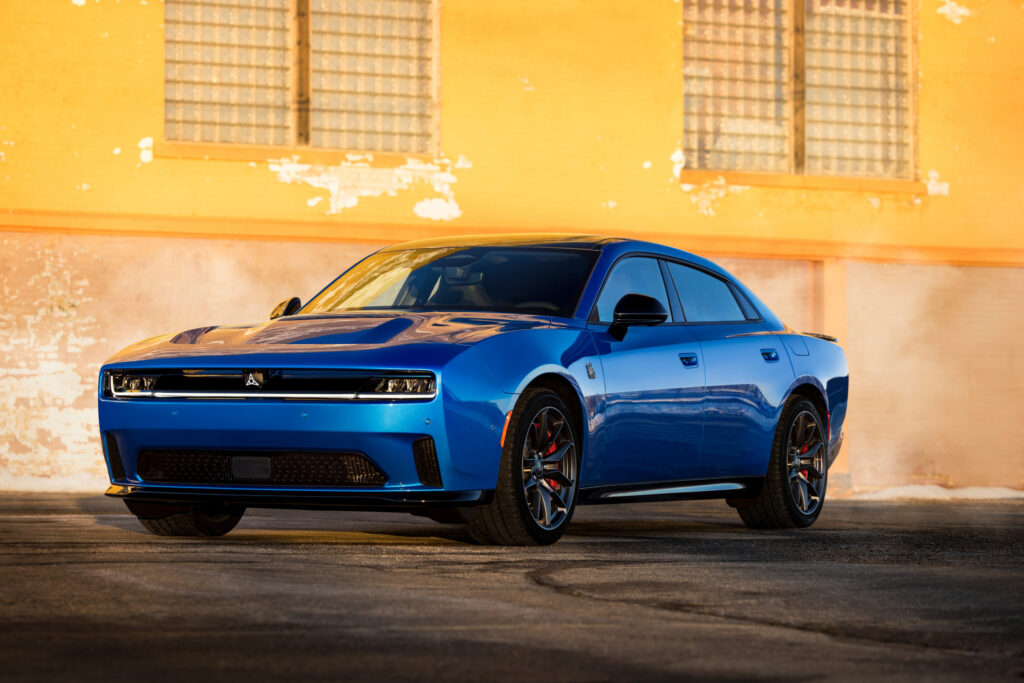
Ontario Green Party Leader Mike Schreiner, commenting on the situation, said the province should look for practical steps to create demand for Canadian electric vehicles, not clear the way for imports. He argued: “The government’s deal with China threatens Ontario’s auto industry. This is another reason for the Premier to take bold action and present a full plan to protect Ontario workers by making a comprehensive push for incentives to create demand for EVs made in Ontario.”
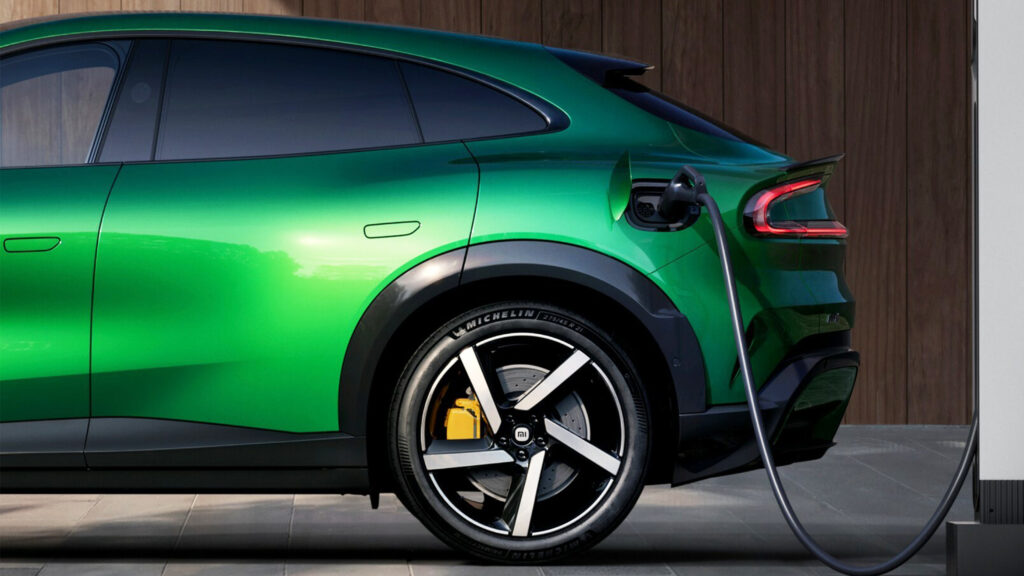
This controversy is taking place against the backdrop of a global transformation of the automotive industry and the search for a balance between opening markets, protecting domestic manufacturing, and environmental goals. Ford’s position sharply contrasts with the official policy of the federal government, pointing to deep divisions in approaches to economic strategy and industrial policy within Canada itself. The success or failure of the deal with China could become an important precedent for how industrial countries interact with the Chinese auto industry in the era of electric vehicles, balancing competition, cooperation, and the protection of national interests.