


Chevrolet Brazil Auctioned Off Three Restomods to Celebrate the Brand’s Centennial
Chevrolet’s classic car revival program in Brazil is gaining momentum. After last year’s Omega sedan restomod, the company presented the second batch of Vintage projects, this time with a focus on muscular coupes and rally history.
The trio included two modernized versions of the classic Chevrolet Opala and a racing Chevrolet S10 that once competed in one of South America’s toughest off-road events. All three lots were sold at auction at the Carde Museum in Campos do Jordão, with a portion of the proceeds going to charity.
Opala: Classics with a Modern Character
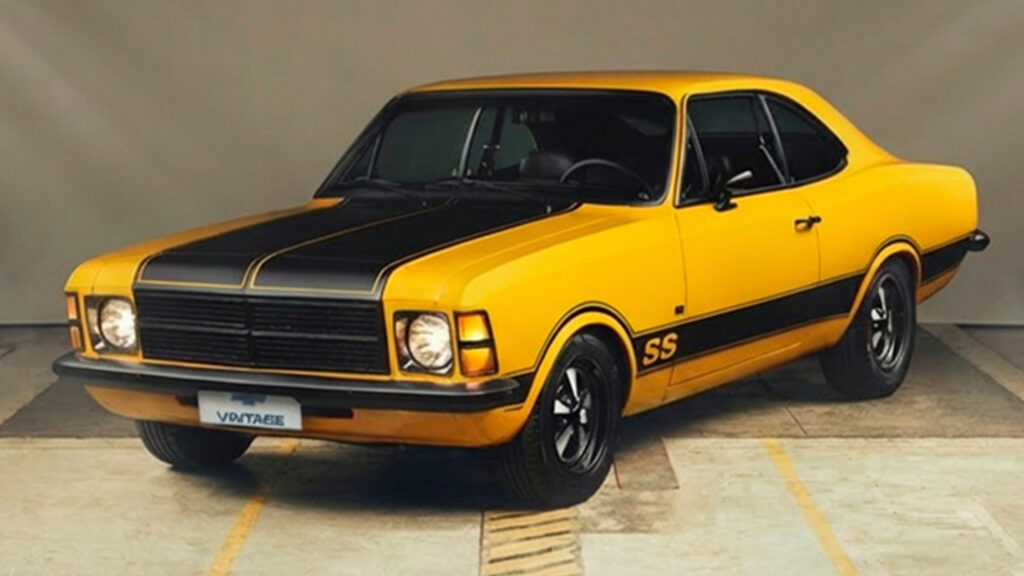
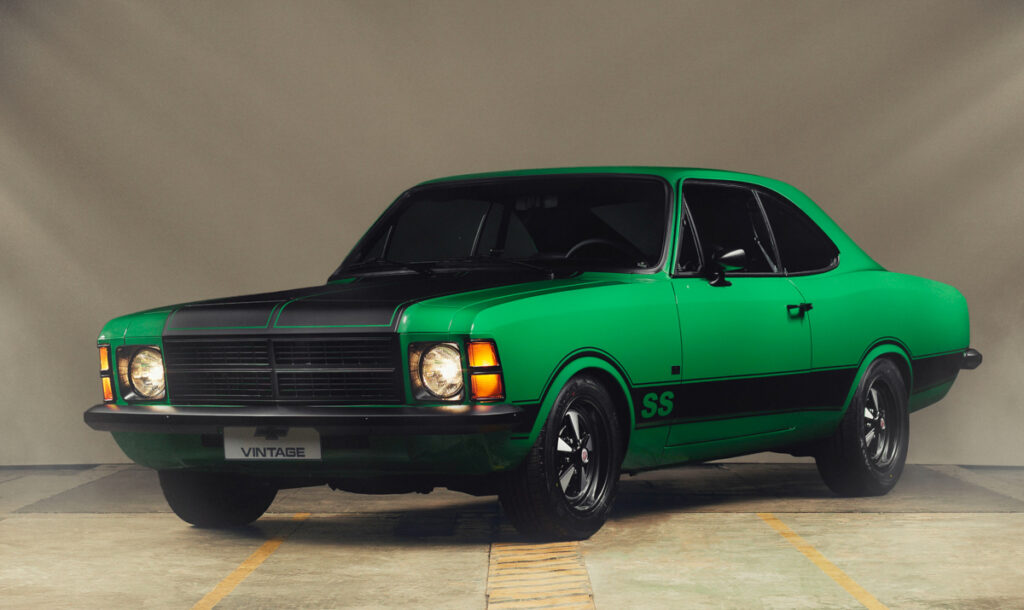
Let’s start with the Opalas, which are undoubtedly the main stars of the event. Chevrolet chose one model from 1976 and another from 1979, both in the SS version, which was the most powerful for its time. Painted in yellow and green respectively to honor the Brazilian national flag, they look almost original, but this is deceptive.
The factory 4.1-liter inline six-cylinder engine in each car was upgraded with modern electronic fuel injection and paired with a five-speed manual gearbox. The suspension and brakes were also updated with Bilstein shocks and high-performance brake discs, making these cars much more suitable for daily use while preserving the spirit of true vintage machines.
Inside, the situation is similar. You will find leather upholstery, improved safety with three-point belts, and modern conveniences such as Bluetooth audio and air conditioning. Unfortunately, photos of the interior have not yet been released, but according to representatives, all changes were made carefully so as not to lose the original character, but only to enhance it.
S10 Pickup with a Racing Heritage
With the 2004 S10 Rally pickup, Chevrolet engineers took a different path, staying as close as possible to the original blueprints and even preserving some signs of wear. This patina was earned when the car won one of South America’s toughest races in the early 2000s – the Rally dos Sertões – and participated in many other similar competitions.
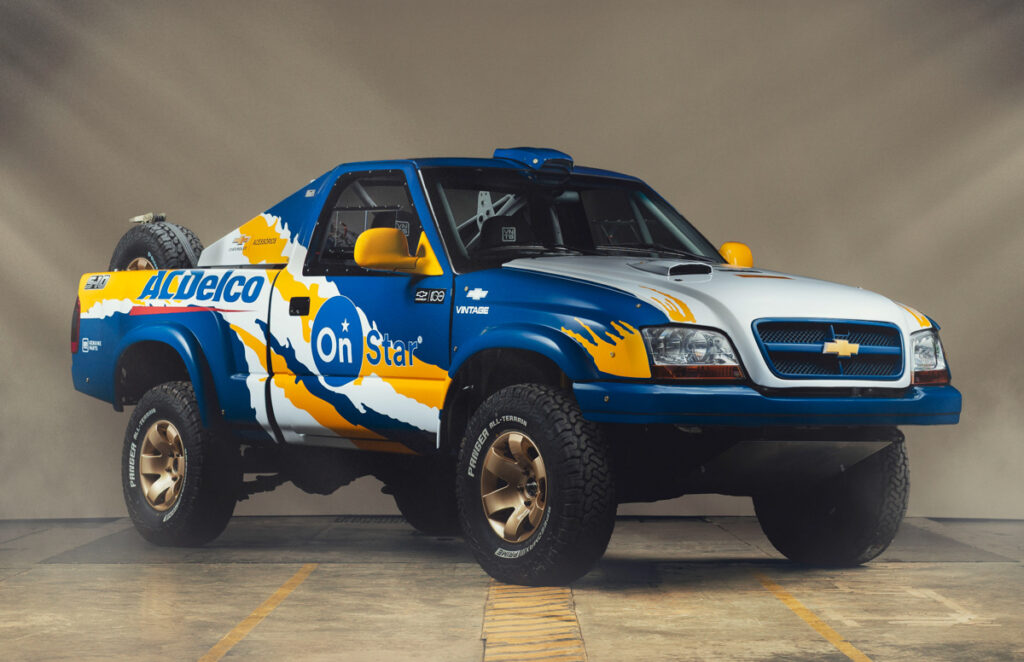

The pickup still has its original roll cage, bucket seats, and five-point harnesses mandatory under FIA standards. The paint was refreshed, but the most important change was the modification of the powertrain. In racing specification, the 2.8-liter turbodiesel produced over 300 hp, but was too ‘hot’ for public roads, so engineers slightly reduced its power, making it more streetable.
Exact power figures are not stated, but with 491 Nm of torque available at just 2000 rpm, the car should be quite lively. At GM, they say finding this pickup was a real challenge, but when it was finally located, it was in the same condition as it was left after its last race.

Auction Results and the Program’s Future
GM’s Brazilian division put the trio up for auction at the Carde Museum, and the results exceeded expectations. The green 1979 Opala received over 25 bids, and the yellow 1976 model at least 30. Each coupe fetched 500,000 Brazilian reals (around $102,000 USD), totaling 1 million reals ($204,000). The S10 Rally added another 450,000 reals ($92,000), surpassing the result of the restored Omega, which sold for 437,000 reals ($89,000) last December.
The new Opala owners will receive a special bonus: the delivery of the cars will take place at the original factory in São Caetano do Sul, where these coupes first rolled off the assembly line. The proceeds will be directed to social projects of the GM Institute.
As the Chevrolet Vintage program in Brazil continues to add new cars, we eagerly await which next project the engineering team will take on.
Interestingly, the Chevrolet Vintage program demonstrates not just nostalgia, but a thoughtful approach to preserving automotive heritage. Instead of simply restoring old models, the company breathes new life into them with modern technologies, making them suitable for real-world use. This not only preserves history but also attracts a new generation of enthusiasts who appreciate the combination of classic design and modern reliability. Furthermore, the charitable component of the auctions adds social weight to these projects, turning them into something more than just cars.