


Tension Between Honda and Its Dealers Over New Electric Vehicle Brand
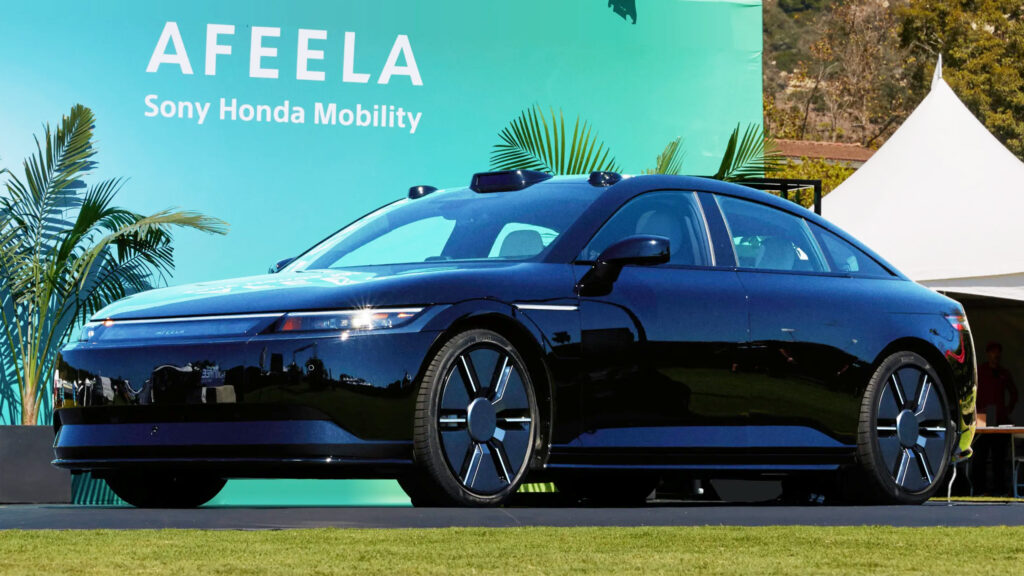
Honda is actively developing its electric initiatives, leading to internal conflicts with its own dealer network. Honda dealerships are expressing dissatisfaction with the joint electric vehicle project with Sony called Afeela. They claim that this project diverts attention and resources from Honda’s and Acura’s core lineups, especially against the backdrop of cooling demand for electric vehicles. However, Honda itself does not seem to be backing down.
Afeela Presentation and Future Plans
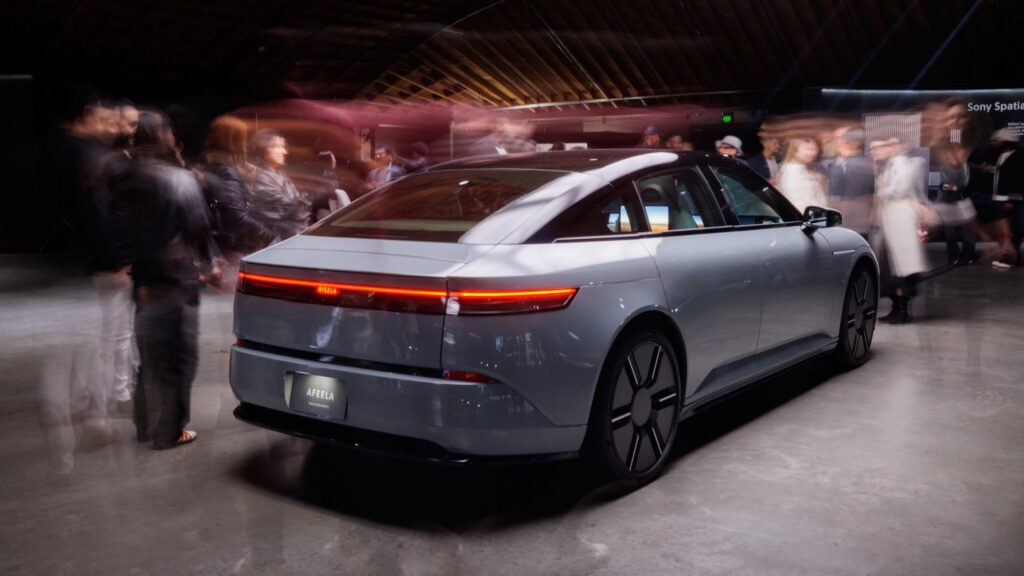
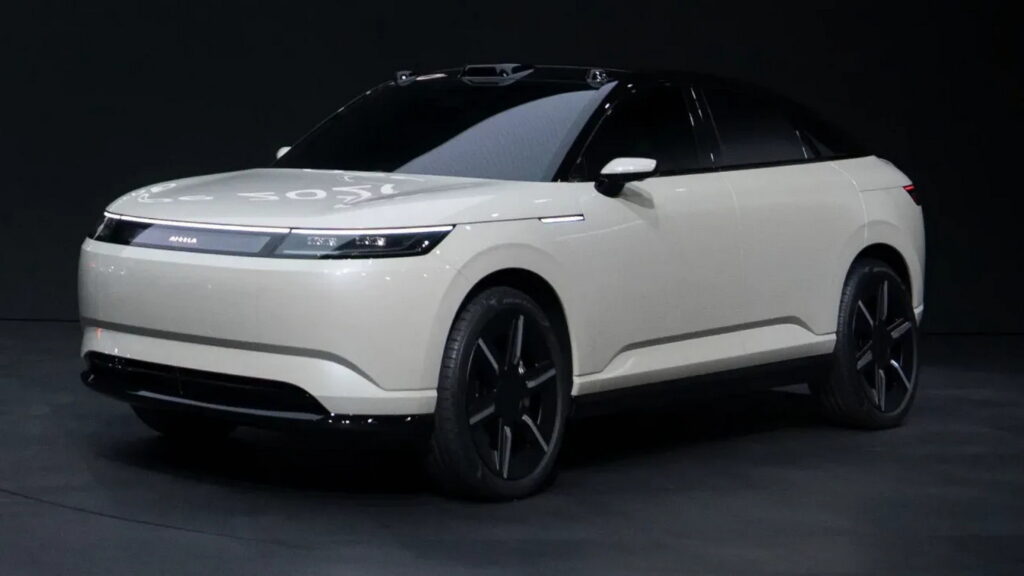
The Sony Honda Mobility joint venture presented the nearly production-ready Afeela 1 electric sedan at this year’s Consumer Electronics Show (CES). The model launch is planned in limited quantities in California by the end of 2026. Alongside the sedan, the company also announced the development of a second vehicle—a crossover. All responsibility for direct sales, vehicle delivery, and service of the Afeela lineup will fall on Honda, which also plans to collaborate with independent repair shops.
Dealer Reaction to the Direct Sales Model
This approach has caused outrage among many dealers. In August of last year, the California New Car Dealers Association filed a lawsuit against Honda and Sony, alleging that the direct sales strategy is illegal under the state’s vehicle code. Sony Honda Mobility disputes this, citing that it operates as a separate business and therefore is not obligated to use Honda’s existing dealer network.

While we understand the goal may be to reach a different, tech-savvy customer category, we see no compelling reason to bypass the established dealer network that has supported the brand for decades.
These words belong to Bill Feinstein, chairman of the Honda Dealer Advisory Board. Honda itself states that it has been “clear and transparent” with dealers that they will not be involved in the sales or distribution of Afeela models.
Questions of Feasibility and Competitiveness
Feinstein also expressed doubts about the project’s economic logic. He noted that it is difficult to understand how a premium electric vehicle priced over $90,000 can be successful in the context of softening EV demand, high interest rates, and intense price competition.
We are deeply concerned about the ongoing drain of financial and engineering resources. Every dollar spent on R&D, production, and marketing for Afeela is a dollar not spent on core Honda and Acura products, where we see greater potential for volume and profitability growth.
Sony Honda Mobility’s Plans Remain Unchanged
Despite the resistance, the Sony Honda Mobility joint venture is not retreating from its intentions. During last week’s CES in Las Vegas, a prototype of the next model—a fully electric SUV that inherited most of the design solutions from the sedan—was presented. The company states that this new model could appear on the US market as early as 2028.
This situation clearly illustrates the complex transitional period in the automotive industry, where traditional manufacturers are trying to adapt to new technologies and business models, sometimes coming into conflict with their own trusted partners. The success or failure of Afeela could become an important precedent for future relations between automakers and their dealer networks in the electric vehicle era. Honda’s position indicates its willingness to risk existing relationships to capture a new market segment, which could have long-term consequences for the structure of car sales as a whole.