


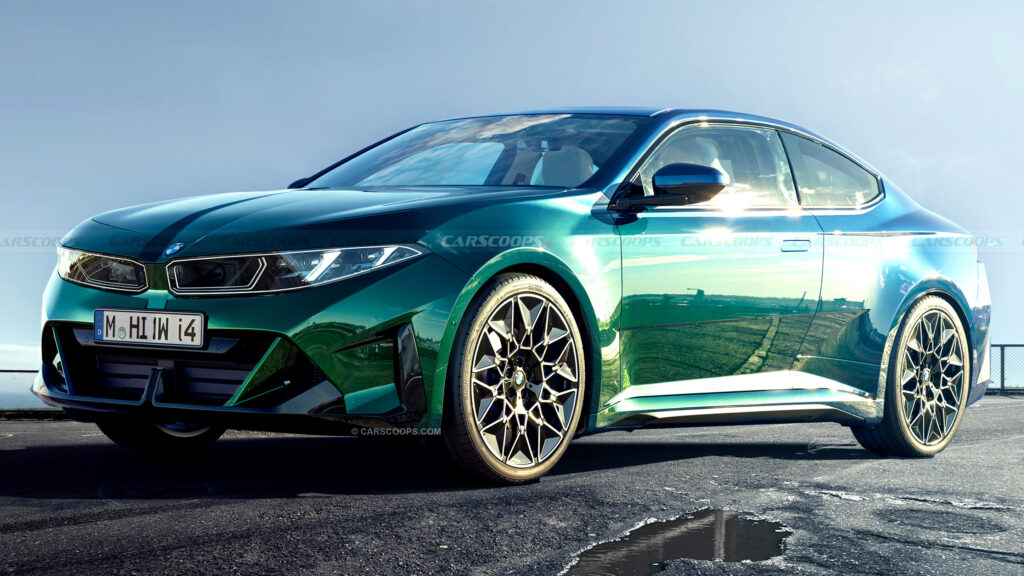
A New Look for Electric Cars
Electric platforms are changing automotive proportions, presenting the industry with a challenge to its design identity. BMW sparked a storm of online discussion with its new i3 electric sedan. Intended to complement the gasoline 3 Series, its Neue Klasse style and stature have divided opinions.
BMW has shown enough of the new i3 Touring for someone else to finish the job.
The good news is that BMW has confirmed the NA0-coded i3 model will get a wagon, which will soften some of the sedan’s less successful aspects. However, a two-door coupe seems like a more natural extension of the lineup. Interested? Read on as we imagine what it could look like.
Keeping the Best
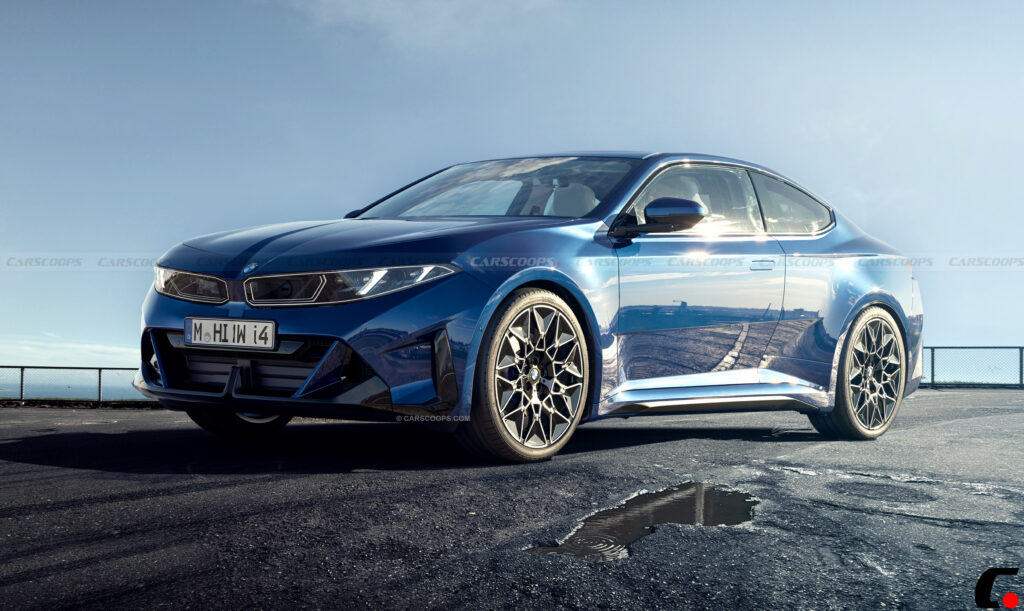

Let’s address the main question—design. BMW has a long history of iconic design: from strong proportions to the twin kidney grilles, the Hofmeister kink, and balanced lines. However, the i3 sedan rewrites this familiar approach in ways that seem unusual. Its front-wheel-drive-like proportions still look athletic, but the vertical stature radiates a certain nervousness.
Our study retains the best aspects of the i3 but translates them into a more elegant two-door form. We lowered the roofline, lengthened the doors, and made the glasshouse more compact, with better proportions aimed at visual dynamism rather than rear-seat convenience.
The front end is now angled forward, reminiscent of a shark’s nose, and the grille’s light signature gains three-dimensional depth to avoid the perspective distortion that mars the sedan’s nose. At the rear, we envision bolder fenders, a ducktail spoiler, and slimmer three-dimensional OLED taillights.
Digital Interior and Handling
Inside, the i4 coupe would ideally reflect the radical shift in philosophy seen in the sedan, with its panoramic iDrive display stretching across the dashboard. However, we would abandon most touch interfaces, including the one on the steering wheel, in favor of physical buttons, and replace the dashboard with a more driver-oriented one.
Despite the coupe format, a practical 2+2 layout would be central and largely retain the same 2898 mm wheelbase as the four-door donor. The chassis setup would likely be sportier than the sedan’s, with adaptive dampers, rear-wheel drive, and a near-perfect 50:50 weight distribution as the foundational basis.
Power and Performance
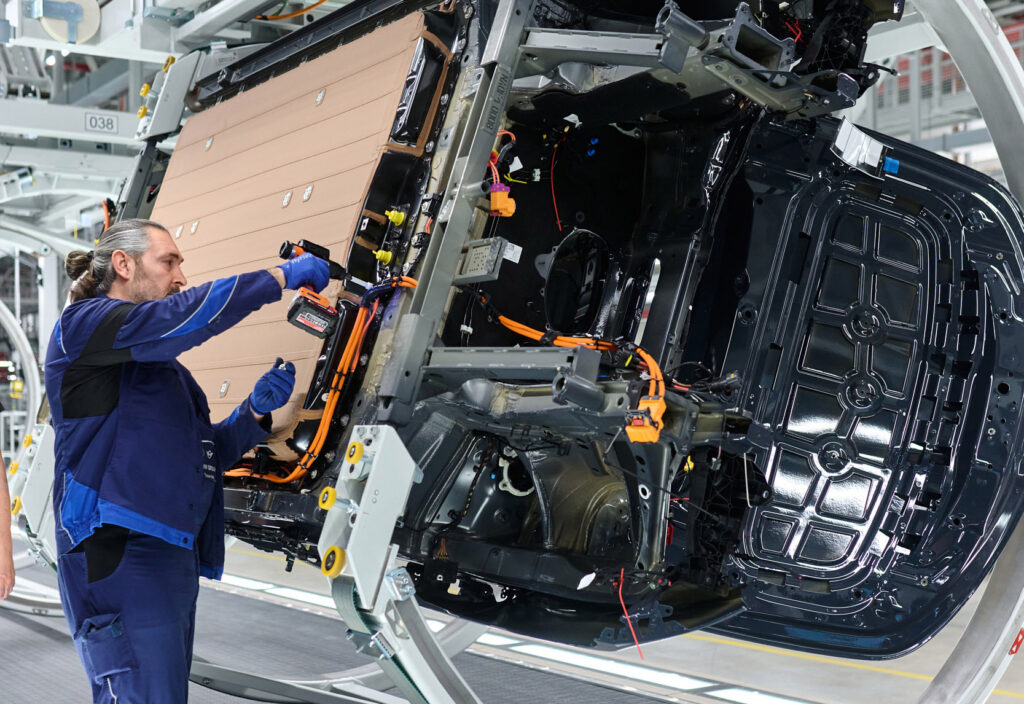

Like the sedan, the i4 coupe would use BMW’s sixth-generation eDrive system, built around cylindrical battery cells and an 800-volt electrical architecture. Battery capacity would be around 75–90 kWh, providing a range of up to 600 km WLTP or 440 miles EPA, depending on configuration.
Power for the dual-motor i4 50 xDrive model could exceed 463 hp and 645 Nm of torque. A powerful i4M version would raise the bar, with four motors generating around 1000 hp and a rear-drive mode that disconnects the front axle.
Future Prospects
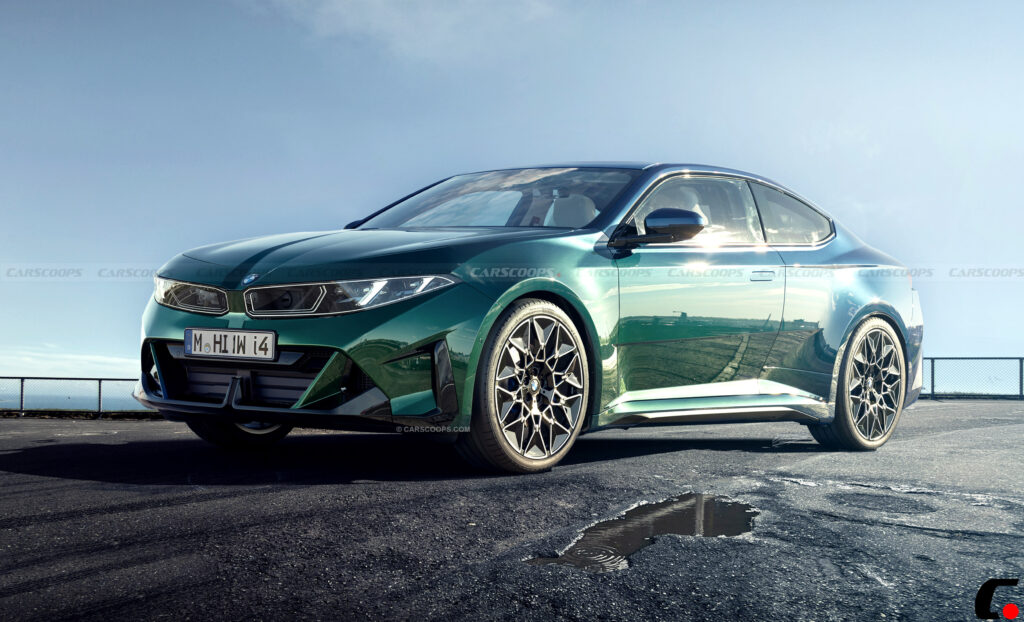

BMW has not announced plans for an i4 coupe, so its appearance remains a matter of speculation. However, as models on the Neue Klasse platform form the core of BMW’s next-generation electric vehicle strategy, additional body styles beyond the i3 sedan and wagon seem inevitable.
Would you like to see the i4 coupe come to life, or perhaps a version with an internal combustion engine featuring an inline-six? Share your thoughts in the comments.
The idea of an electric coupe from BMW, especially against the backdrop of the i3 sedan design debate, points to the brand’s ongoing search for new forms for its electric vehicles. The Neue Klasse platform opens up broad possibilities not only for battery technology but also for creating diverse body types that can appeal to different buyer circles. The success of such initiatives will depend on how successfully it manages to combine progressive technical equipment with the emotional charge and visual appeal traditionally valued in cars of this brand. The market for electric sports coupes is still forming, and such a move could solidify BMW’s position in this segment.