


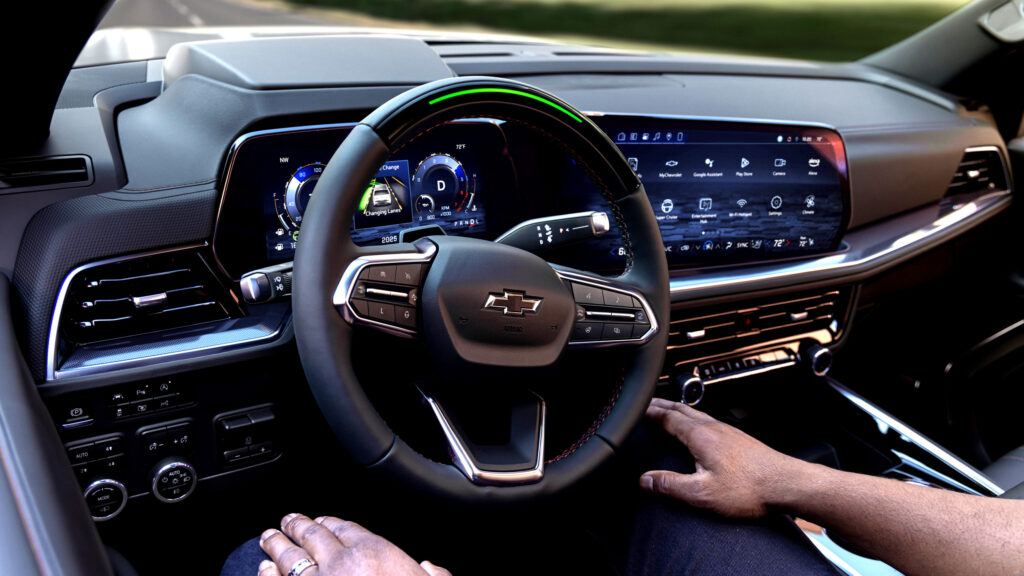
General Motors’ position on ADAS repairs
General Motors has issued a strict warning for anyone planning to repair ADAS systems using anything other than new original parts. According to the automaker, such attempts could jeopardize the reliability and safety of driver assistance systems.
In a position statement on post-collision repairs, published in late July and spotted by Autobodynews, GM insists that only original parts should be used for body repairs. This applies to radars, cameras, sensors, control modules, wiring, brackets, and fasteners.
Which components are banned
The automaker makes it clear that parts that have been salvaged, remanufactured, rebuilt, produced by non-original manufacturers, or purchased on the secondary market are not merely not approved for use. They are prohibited for repairs of Chevrolet, Buick, GMC, and Cadillac vehicles.
The reason for this decision is that non-original or used equipment may have been manufactured or operated incorrectly, which affects calibration accuracy and overall ADAS reliability. Even minor deviations can lead to improper operation of safety systems.
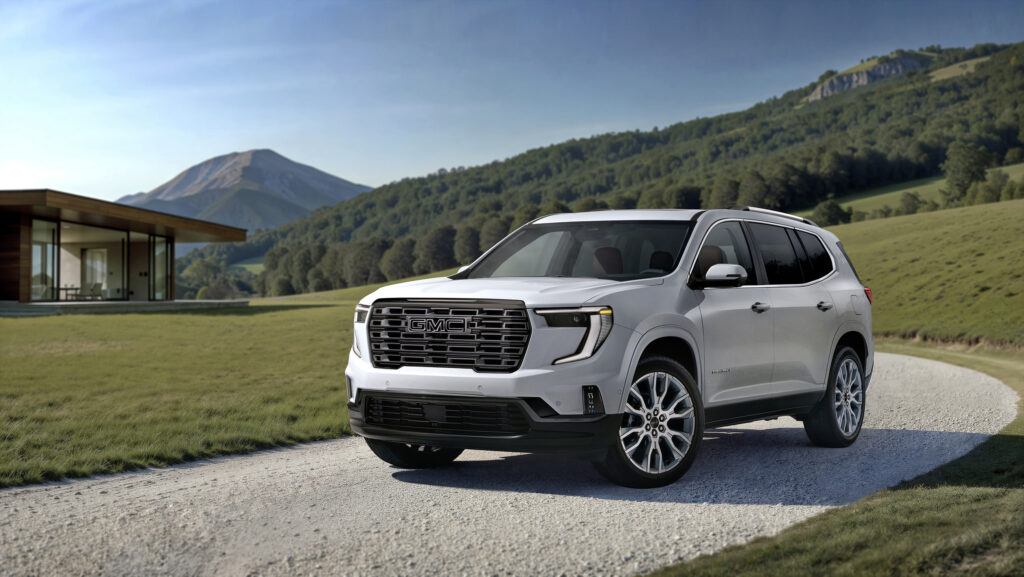

What else can interfere with ADAS operation
In addition to parts requirements, GM warns of other factors that can disrupt system calibration. Protective films, window tinting, hood covers, bicycle mounts, roof racks, light bars, and roof boxes can interfere with the proper functioning of assistance systems. Interestingly, the company sells some of these accessories itself as factory equipment, so the warning looks somewhat ambiguous.
Lowering kits, non-original lift kits, and any modifications to the suspension, steering, wheels, and tires also negatively affect ADAS. If the vehicle’s ride height or wheel alignment angles are changed, it can lead to false signals and malfunctions in the assistants.
What functions the ADAS system covers
The list of functions included in GM’s ADAS is quite extensive. The system combines adaptive cruise control, forward collision warning, lane keeping, lane departure warning, automatic pedestrian braking, head-up display, rear cross-traffic warning, automatic parking, surround-view cameras, Super Cruise technology, and hands-on lane keeping assist.
In addition to requiring only original parts, GM insists that repairs and calibration must be performed strictly according to manufacturer-approved procedures. Only then can it be guaranteed that the system will work correctly after intervention.


Impact on owners and workshops
Such a strict decision could complicate the work of independent service stations, which often use quality alternatives or rebuilt components to reduce repair costs. After an accident, owners will either have to go only to official dealers or very carefully check the origin of parts. This, in turn, means increased vehicle restoration costs.
However, given the complexity of modern electronic assistants, GM’s requirements do not seem unreasonable. Even a slight displacement of a camera or sensor after body repair can lead to serious errors in safety systems, so strict control over parts and procedures may be a justified step to preserve road safety.