 by
by Development of an Affordable Ford Electric Vehicle
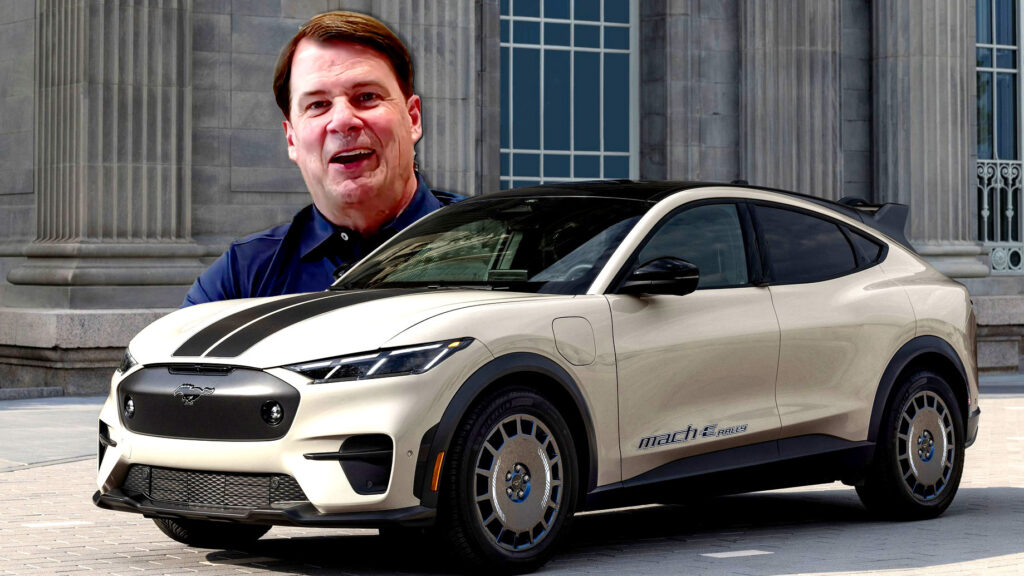
Ford CEO Jim Farley compares the current stage of the electric vehicle market development to the third inning in baseball, implying that the main events are still ahead. The company is preparing a series of new products, among which an affordable electric vehicle, created for direct competition with the Tesla Model 3 and Model Y, stands out.
Ford’s Strategy in the Electric Vehicle Market
Despite the fact that in recent years Ford has cut some programs, discontinued production of the F-150 Lightning, and placed a strong emphasis on hybrids, the company continues to assert its belief in the future of electric vehicles. This strategic shift reflects a general trend among automakers, although Ford’s approach has its unique features.
We really want to bet on everything. We will have a fully hybrid vehicle lineup. So, Bronco… everything you can buy from Ford will have a hybrid version. We will also have EREVs for towing. We will have a fully electric, affordable car to compete with the Model Y and Model 3
Current Offerings and Future Plans
Currently, Ford offers the Mustang Mach-E, which is a relatively affordable electric vehicle with benefits similar to the Model Y. However, in some key indicators, such as range, performance, and charging speed, the model lags behind competitors. Farley clearly intends to change this.
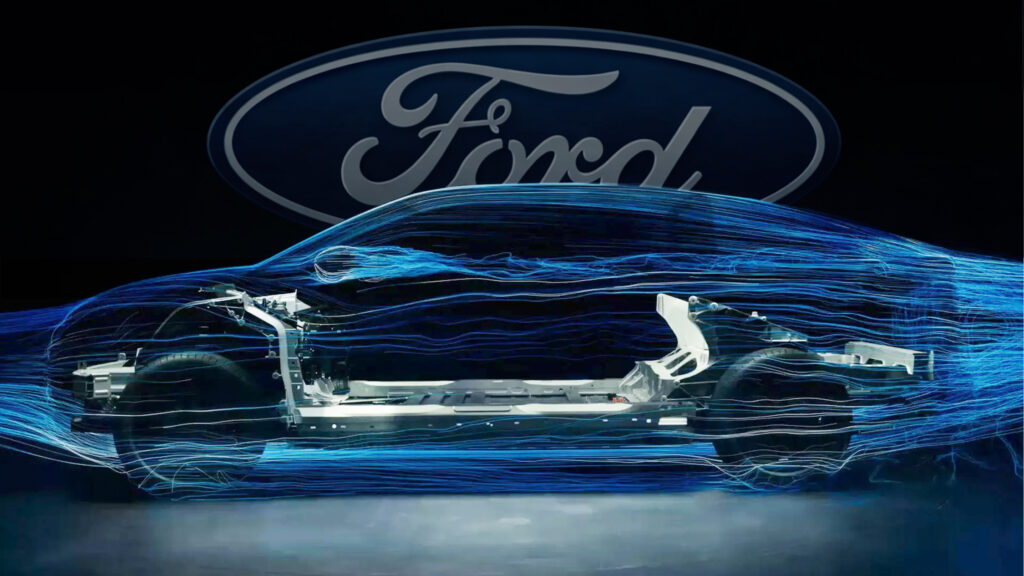
To achieve this goal, the brand is working on something new and unique. The future competitor to the Model Y and Model 3 will likely be built on the company’s Universal Electric Vehicle (UEV) platform. This new architecture is being developed by a secret team that includes former Tesla and Formula 1 engineers. According to Ford, the platform can support up to eight body types, including compact crossovers, sedans, pickups, vans, and larger SUVs.
Expected Launch Timelines for New Models
The first model based on the UEV platform is expected to be a mid-size electric pickup priced around $30,000, which is set to appear in 2027. The competitor to the Model 3 and Model Y will likely be released shortly after, potentially debuting later that same year or in 2028.
These plans indicate Ford’s long-term and multifaceted strategy aimed at remaining a key player during the automotive industry’s transition period. The simultaneous emphasis on hybrids, extended-range electric vehicles, and affordable fully electric models demonstrates the company’s attempt to cover different market segments and consumer needs. The success of this strategy will largely depend on the technical specifications of the new models, their final price, and the charging infrastructure, which continues to evolve. Competition with Tesla, which dominates the affordable electric vehicle market, will be fierce, but the entry of a new player could help accelerate innovation and increase choice for the end buyer.