



In the automotive world, where increasing attention is being paid to electrification and autonomy, Ford is making a bold statement about preserving the manual component. The company’s CEO, Jim Farley, confirmed that the manual transmission in the Ford Mustang will not disappear. These words were heard during Ford’s debut weekend in partnership with the Formula 1 team Red Bull Racing.
Clear Stance from Leadership
Jim Farley spoke very categorically about the future of the “stick shift” in the Mustang. He stated that the manual transmission would be taken from them only “from their cold dead hands.” This phrase clearly outlines the company’s principled position, despite general market trends.
Overall, manual transmissions are rapidly disappearing from automakers’ model lineups. The reasons are stricter environmental regulations, improved automatic transmissions, and changing buyer preferences. Even in the world of sports cars, the dominance of fast dual-clutch robotic gearboxes has become the norm.

Significance of the Decision for the Brand
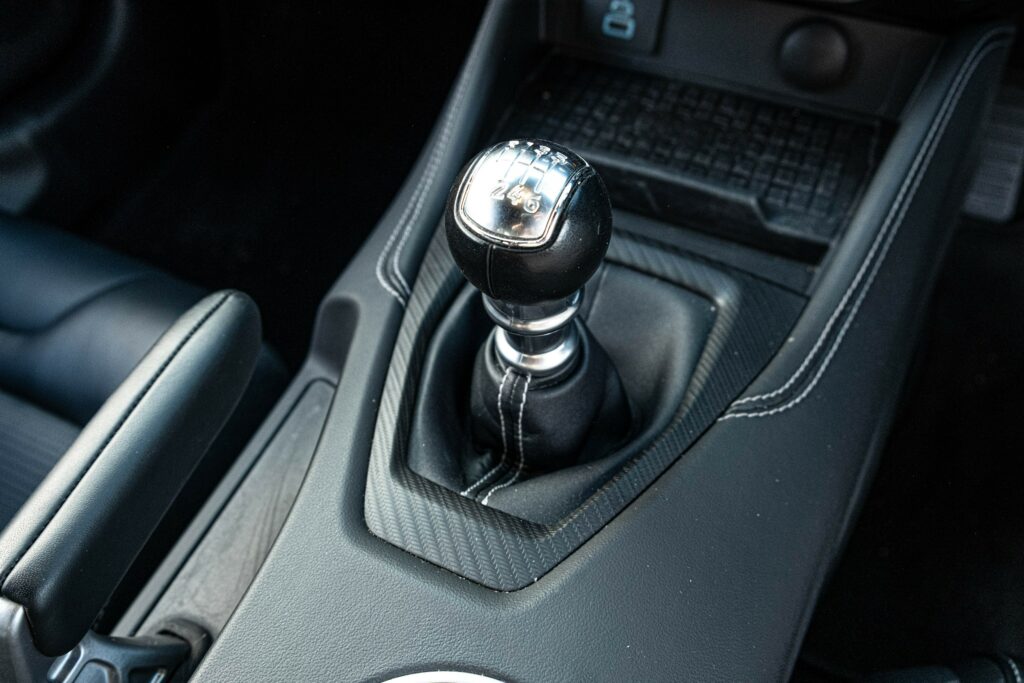
For Ford, the Mustang has always been more than just a set of technical specifications. The ability to shift gears manually engages the driver in the control process, which is an important part of car culture. The latest generation Mustang GT with a V8 engine still offers the option of a six-speed manual.
This decision is not obvious from a business point of view. Developing and certifying a manual transmission under modern conditions requires significant costs, and supply chains are optimized for mass-produced automatic transmissions. However, a significant portion of Mustang buyers continue to choose manual control, confirming demand among enthusiasts.
I truly believe that Ford best serves working people and driving enthusiasts. And this applies to both off-road vehicles and road cars. I love to say that Ford doesn’t have boring cars.
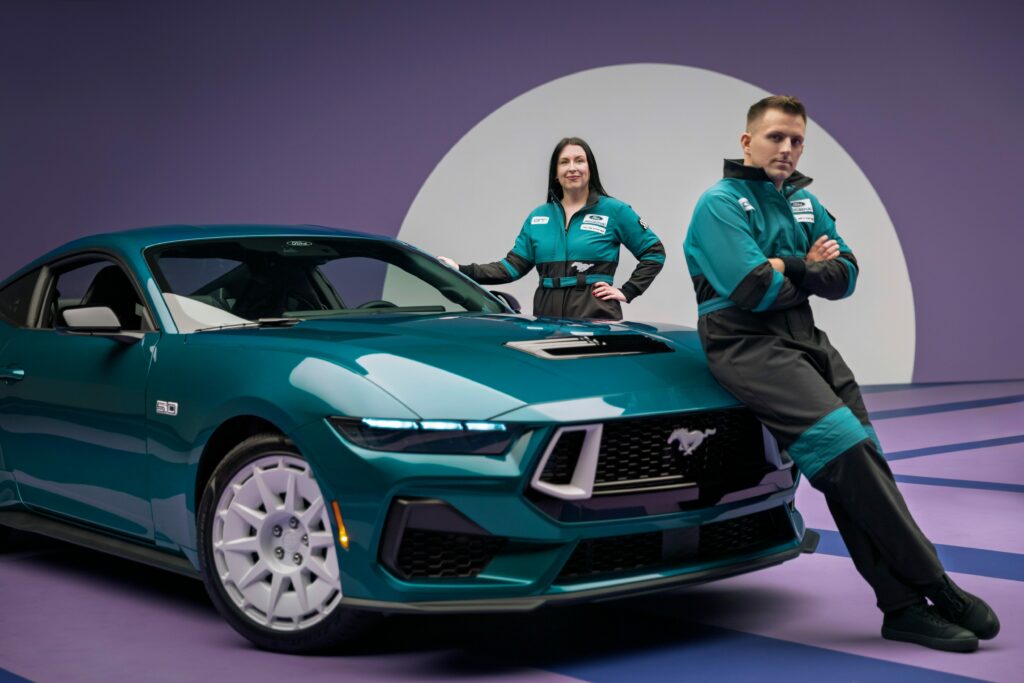

Ford’s approach contrasts with the actions of other manufacturers. For example, BMW recently hinted that it may not always support the manual transmission option due to the complexity of development that meets modern requirements. In this context, Ford’s decision to preserve the tradition takes on special symbolic significance, emphasizing a commitment to car culture and drivers for whom the driving process is key. This indicates that in an era of global unification and automation, there remain brands willing to invest in preserving the “driver’s” experience, even if it is not always profitable from a pure economics standpoint. Such a position could become an important competitive advantage in a market where more and more models are becoming similar to each other.