 by
by An Unexpected Encounter on an American Highway
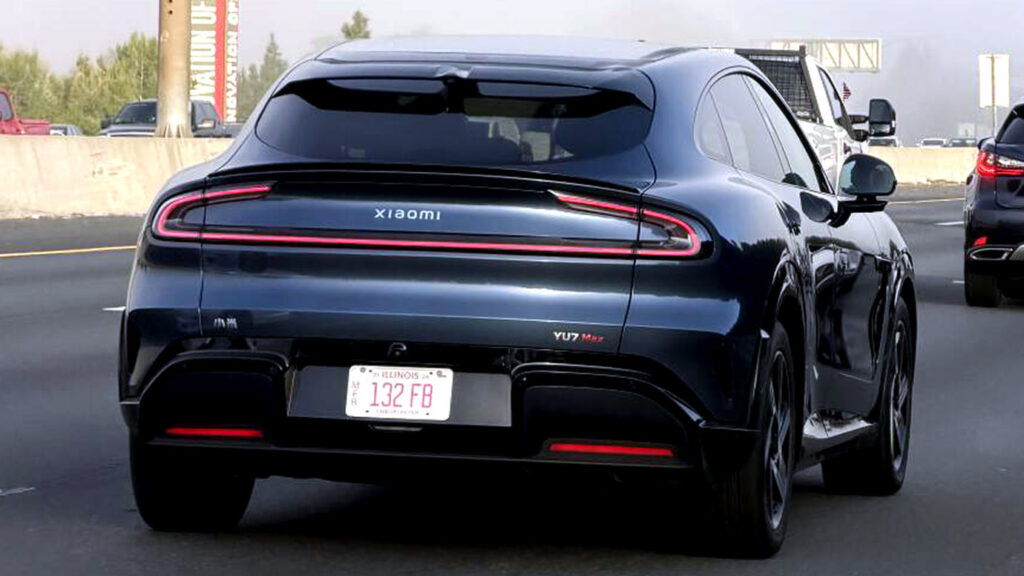
Observant car enthusiasts are everywhere, and one of them recently saw something extremely rare in the USA. It’s the Xiaomi YU7 Max — an electric car that is very popular in China but is not legal for import and sale in America. That’s why it was so strange to see it on Interstate I-5, and even stranger that it had Illinois manufacturer license plates.
Why is this important? Because it could mean the car belongs to Rivian. It’s worth noting that there is no confirmed link between the spotted Xiaomi car and this manufacturer, but there are enough indirect clues to keep this theory alive.
Mysterious License Plates
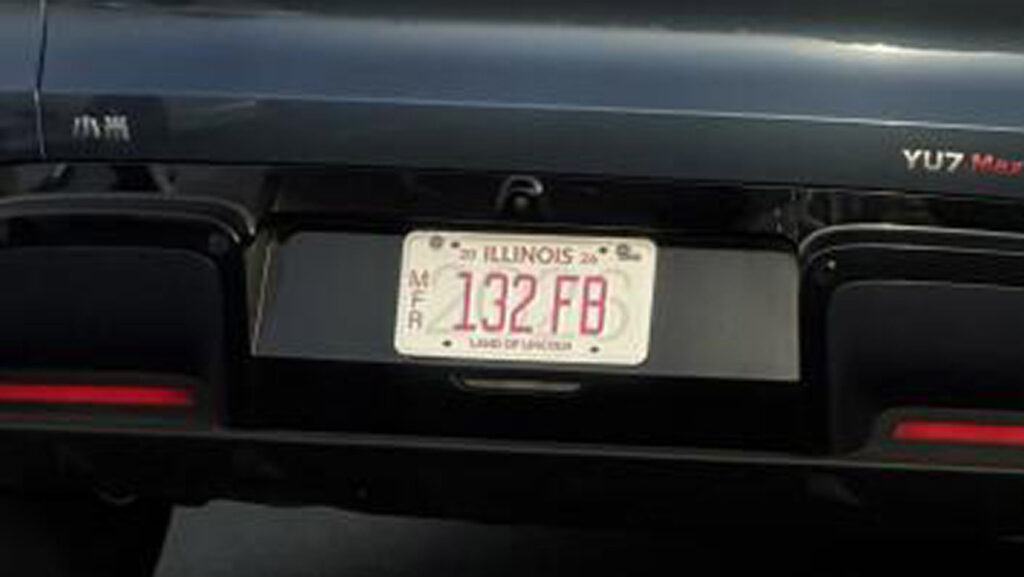
Photos of what is believed to be the Xiaomi YU7 first appeared on the Chinese social platform Xiaohongshu and then made their way to Reddit. The images show the Chinese electric car driving on I-5 with an Illinois manufacturer plate. It is precisely this detail that sparked speculation that it could be a test vehicle belonging to Rivian.
Why? First, it’s from Illinois, where Rivian manufactures its vehicles. Second, the number 132. This manufacturer plate number has appeared on Rivian test vehicles before. It’s important to note that such license plates are not exclusive and can be issued to other manufacturers or contractors. However, the timing of this sighting is also key.
Preparing for a Major Launch
Rivian is preparing to launch the long-awaited $45,000 R2 “by June,” and the company needs to get it right. Part of this launch likely involves benchmarking against competitors’ cars to understand how competitive the R2 is.
Rivian CEO RJ Scaringe previously confirmed that the company owns several Chinese electric vehicles for internal testing and competitive analysis.
This makes the Xiaomi sighting less mysterious and more like the quiet execution of due diligence.

Rivian’s Official Position
We reached out to Rivian for comment. A company representative stated that they do not comment on third-party photos but added:
“It is standard industry practice to benchmark and study vehicles from around the world as part of product development.”
Different Concepts for Different Tasks
While the brand won’t have to worry about Xiaomi taking sales in the States, the R2 is also launching in the European market, where the two models will compete directly. However, they are not exactly direct competitors.
The YU7 Max is built on an 800-volt architecture — a configuration that is becoming increasingly common among mass-market Chinese EVs and allows for ultra-fast DC charging. The R2 runs on a 400-volt platform, so charging will be slower in any case. Furthermore, Rivian is more oriented towards outdoor adventure and active lifestyle enthusiasts. Later this year, we will find out how well it stacks up against the competition.
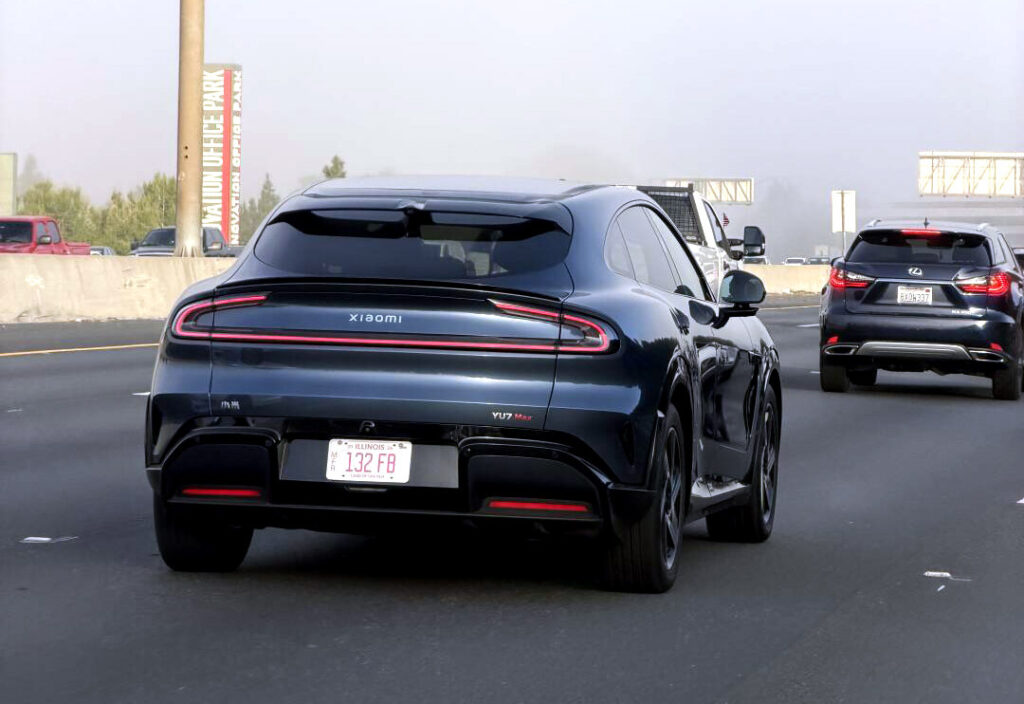
Photos belong to a Xiaohongshu user.
The appearance of such a car on American roads, even in test mode, vividly illustrates how globalized the automotive industry has become, especially the electric vehicle segment. Manufacturers can no longer afford to ignore developments by competitors from other parts of the world, even if they are not directly present in their home market. The practice of benchmarking, studying technical solutions and design approaches has become an integral part of developing any new car. This indicates a high level of maturity and competition in the industry, where technological advantages can change rapidly, and a model’s success depends on a deep understanding of the entire spectrum of market offerings.