



American automaker Ford is facing serious challenges in producing its most popular model — the F-150 pickup truck. The problems are caused by an aluminum shortage and the US government’s tariff policy, which is already affecting the company’s sales and finances.
The Root of the Problem: Fire and Tariffs
The series of problems for Ford began with two fires at a major aluminum supplier’s plant last year. This interrupted critically important deliveries of the metal used for pickup truck bodies. Similar difficulties are being felt by other automakers, such as Stellantis and General Motors.
To fill the deficit, the company is forced to import aluminum from abroad, which automatically triggered import duties of 50 percent. These additional costs fall on the shoulders of the automaker.
Government Refusal and New Risks
Ford appealed to the government for a temporary easing of tariffs until its own supplier resumed operations, but was refused. The White House stated that the company had not been particularly insistent in requesting help on this matter.
Ford has “not requested tariff relief on this matter in a particularly pronounced way,”
Even greater concern is caused by a recent change in the taxation system, which focuses not on raw materials but on the finished product. This creates a paradoxical situation: finished F-150 pickups, assembled in the USA, could be subject to an additional 25 percent tariff simply because they contain imported aluminum.

Tangible Impact on Production and Sales
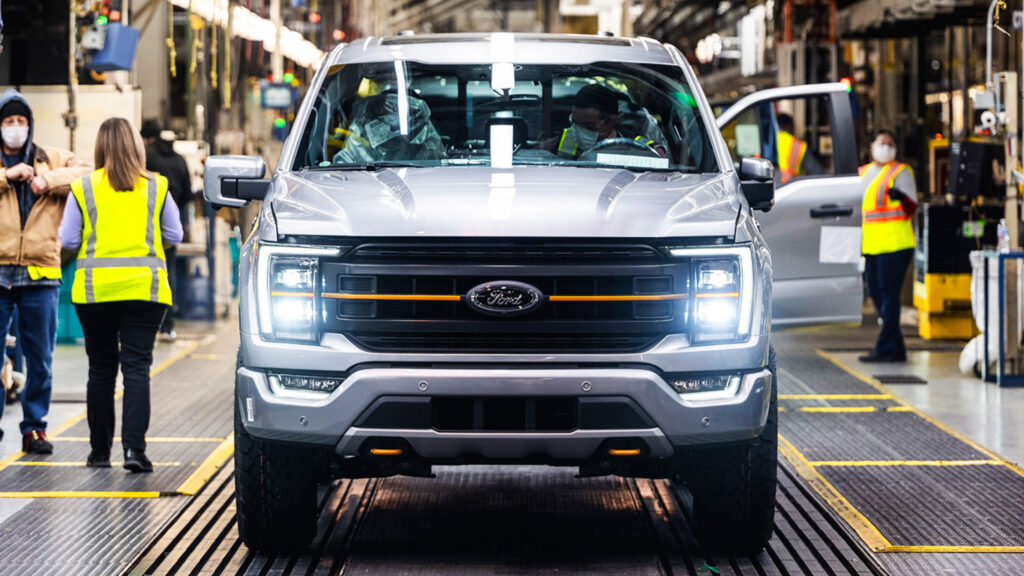
The consequences are already evident. Production of the F-Series is experiencing disruptions; Ford is forced to reschedule assembly lines and delay some deliveries. This has negatively impacted sales: in the first quarter, sales of the pickup line fell by 16 percent due to reduced inventory. Ford’s total US sales for this period decreased by 8 percent.
Attempts to Compensate for Losses
The company is trying to redirect buyer demand to other models, such as the mid-size Ranger, but consumers who specifically want the F-150 rarely agree to alternatives. To recover lost ground, Ford plans to increase production capacity in the second half of the year and cancel traditional summer shutdowns at plants. However, supply problems for the F-150 are expected to be felt throughout 2026.

Financial losses are also significant. According to estimates, due to the fires and supply disruptions in 2025, the company lost about $2 billion, and in 2026, additional losses of $1 billion are expected.
This situation with Ford clearly demonstrates how vulnerable even the largest global manufacturers can be due to a break in complex supply chains. Dependence on a single key supplier, even a domestic one, combined with strict customs policy can lead to cascading consequences — from disrupted production schedules to billion-dollar financial losses. Such cases may become a reason for a broader review of raw material sourcing strategies in the auto industry, with an emphasis on diversifying sources and creating buffer stocks, despite the additional costs.