


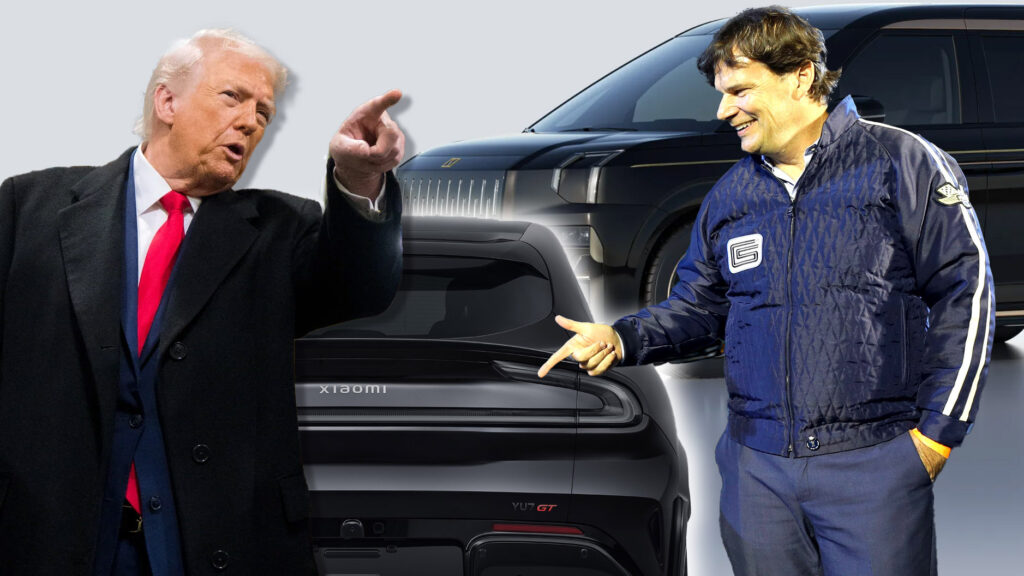
Ford’s Survival Strategy
Ford CEO Jim Farley, following the classic principle of “keep your friends close and your competitors closer,” reportedly presented a survival strategy to the Trump administration. It concerns how the United States should respond to the emergence of Chinese automakers on American soil.
Farley’s proposal is straightforward: if Chinese companies want to build cars in the U.S., they should only be allowed to do so through joint ventures in which an American company holds a controlling stake. This mirrors the conditions Western automakers were forced to accept when entering the Chinese market.
We need to protect our home market from the influx of subsidized cars made in China.
According to a Bloomberg report, Farley met with U.S. Trade Representative Jamieson Greer, Transportation Secretary Shawn Duffy, and EPA Administrator Lee Zeldin during last month’s Detroit auto show. Among the topics discussed was a potential framework for joint ventures between Chinese and American automakers should the former attempt to enter the U.S. market.
Joint Ventures as a Protective Mechanism
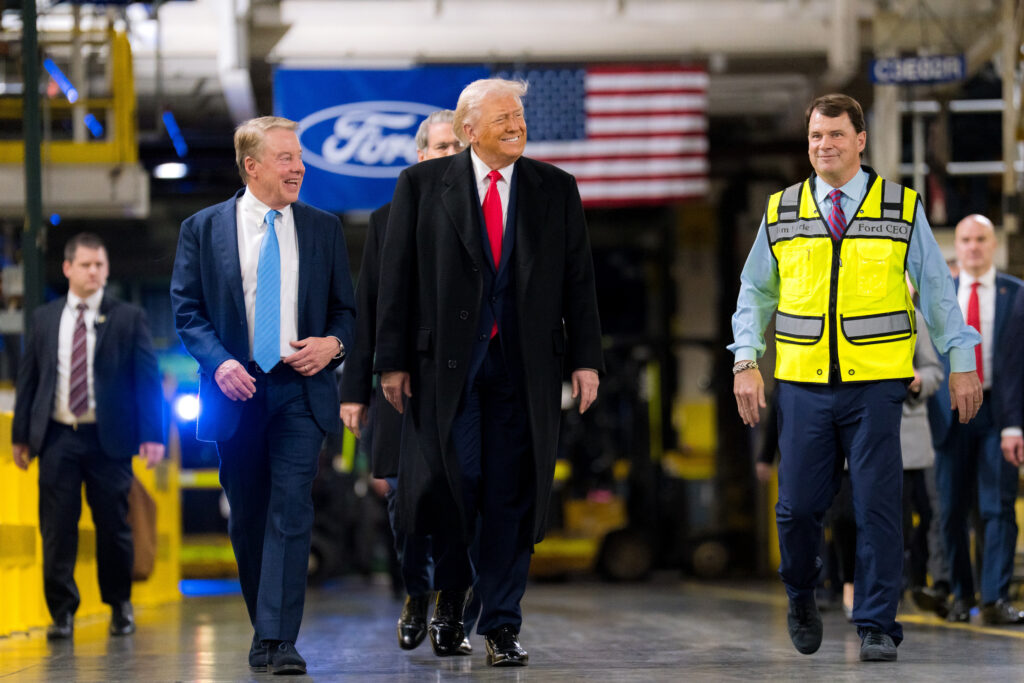

Unnamed sources familiar with the discussions told Bloomberg that Farley proposed partners share profits and technologies, while American companies would retain the controlling stake and final decision-making authority. This largely mirrors the protectionist structure Western automakers were forced to accept in China for decades.
Ford’s Chief Communications Officer, Mark Truby, indirectly confirmed that talks with the administration took place, emphasizing the need to “protect our home market from the influx of subsidized cars made in China.” He added that Ford has “been clear about the privacy and national security concerns associated with Chinese vehicles in the U.S., and we will continue to reiterate that in our discussions with policymakers.”
Is Washington Ready to Open the Door?
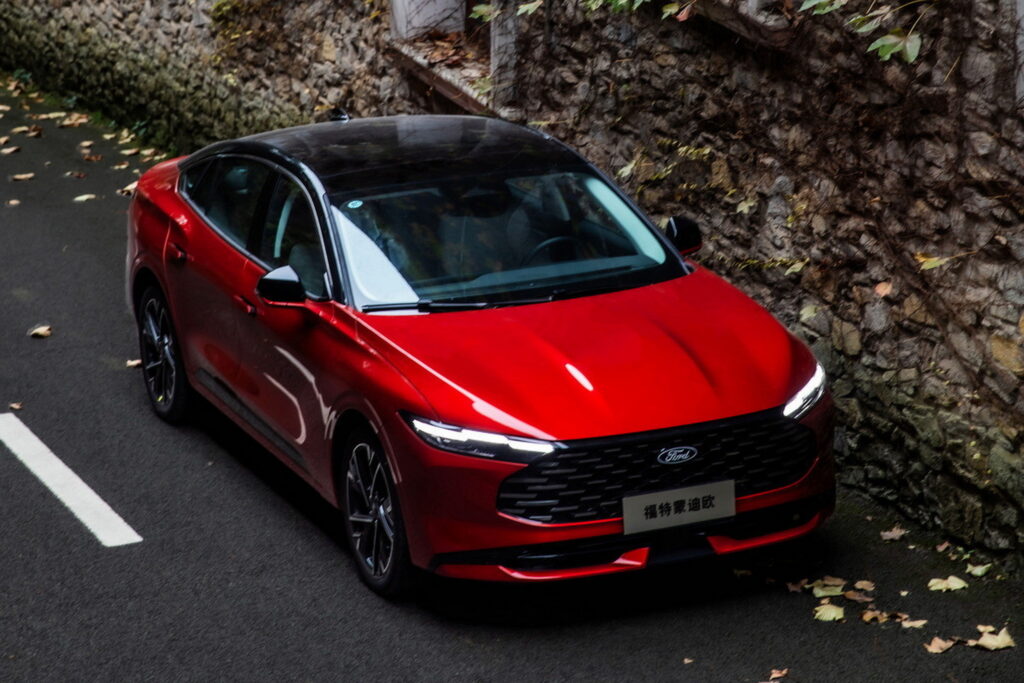

The timing of the talks is hardly coincidental. During a recent speech at the Detroit Economic Club, President Trump signaled a policy shift, stating that Chinese automakers would be able to sell cars in the U.S. if they build factories and hire American workers.
Despite such an open signal, Farley’s joint venture proposal was reportedly met with a “cool reception” from officials who fear political backlash in Washington. Nevertheless, some in the administration are said to be considering a potential investment deal as a possible outcome of the April meeting between Trump and Xi Jinping in Beijing.
Divided Voices in Detroit
Not everyone in Detroit supports Ford’s pragmatic approach. General Motors reportedly told the administration it opposes the entry of Chinese manufacturers into the U.S. market, regardless of the structure. GM officials fear it would undermine market share and potentially have a “devastating effect” on the domestic supply chain.
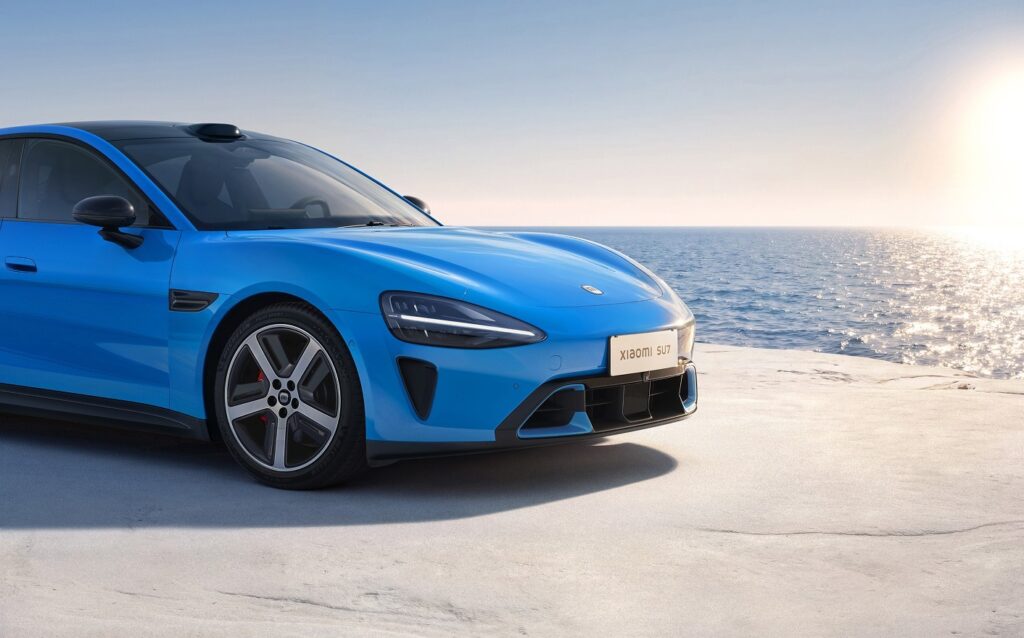

Farley has repeatedly warned about Chinese competition, describing their inexpensive, high-tech cars as an “existential threat” that could bankrupt Western automakers. After disassembling several Chinese EVs and even using a Xiaomi SU7 as a daily driver for testing, the Ford CEO has openly praised the build quality and electric drive technology of these vehicles.
To counter this, Ford is diving deeper into competition through targeted technology alliances. The company is using licensed technology from CATL for its $3.5 billion BlueOval Battery Park plant in Michigan and is reportedly in talks with BYD for battery supplies for an expanded hybrid lineup.
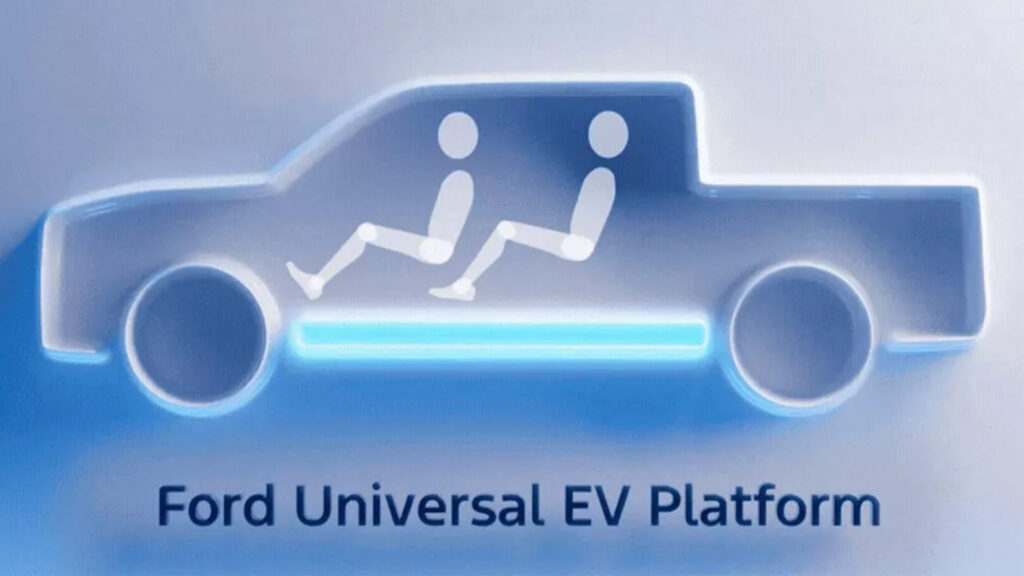
Simultaneously, Ford is developing affordable models for the American market, including a $30,000 electric pickup truck slated for release in 2027.

Ford’s proposal reflects the complex dilemma facing the American auto industry: whether to build barriers or seek ways to control the inevitable. The historical irony is that the proposed model is a mirror image of the Chinese rules that restricted Western manufacturers for many years. Now, as the technological capabilities and cost efficiency of Chinese companies become competitive and sometimes surpass Western ones, business logic is forcing a search for partnerships instead of pure confrontation. The success of such an approach will depend not only on political will in Washington but also on the willingness of Chinese giants to agree to terms they themselves once set for others.