


A Story Without Clear Boundaries
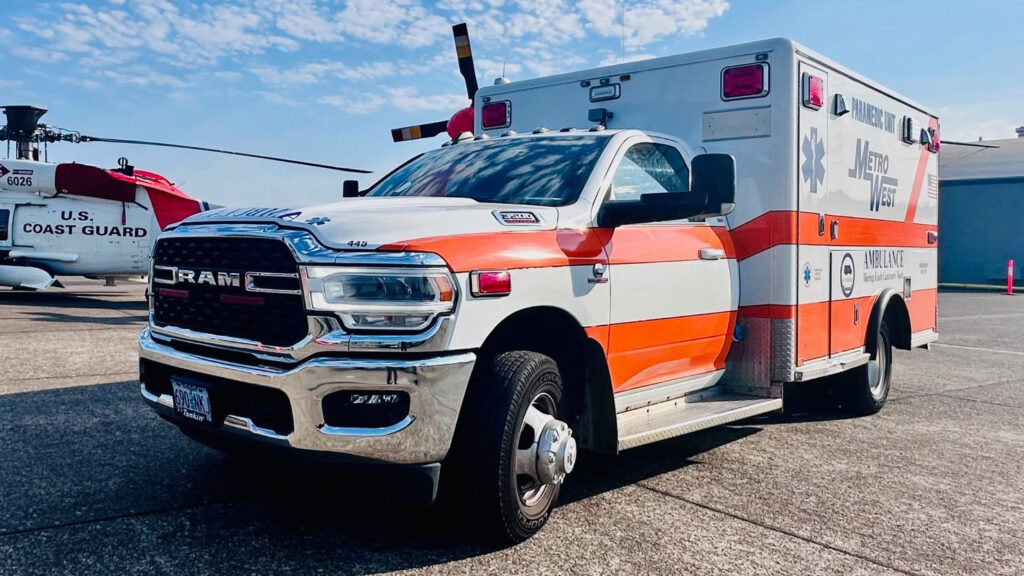
Some stories do not have a clear “black-and-white” ending. The recent lawsuit by a fired paramedic against her former employer is just such a case. According to the plaintiff, patients in the ambulance where she worked were allegedly recorded without warning. On the other hand, the transport company claims the cameras were installed to protect the medics themselves. And then the confusion begins.
The Essence of the Lawsuit
Former Metro West Ambulance paramedic Brittany Martin filed a lawsuit for $800,000. She claims she was fired after turning off cameras and microphones in ambulances because she believed they violated Oregon state privacy laws. Martin states that the systems recorded both video and audio of patients during treatment without their consent. According to EMS1, Metro West declined to comment publicly, citing ongoing litigation.
The Recordings at the Center of the Case
According to the lawsuit, Metro West began installing cameras in late 2025 as part of what employees were told was a pilot program. Some patients during transport may behave aggressively, so video evidence could help medics in such situations. Martin claims that staff were initially told that patients would only be recorded on video, but without audio. However, after she was assigned to a vehicle with the new system in early 2026, she discovered that the cameras recorded both video and sound.
The lawsuit states that one camera was mounted in the crew compartment and aimed directly at patients, and another in the patient compartment itself. Believing the recordings violated Oregon privacy law, Martin turned off the systems and reported her concerns to supervisors. According to her, she was suspended from work within days and later fired for allegedly interfering with the cameras.
A Broader Privacy Issue

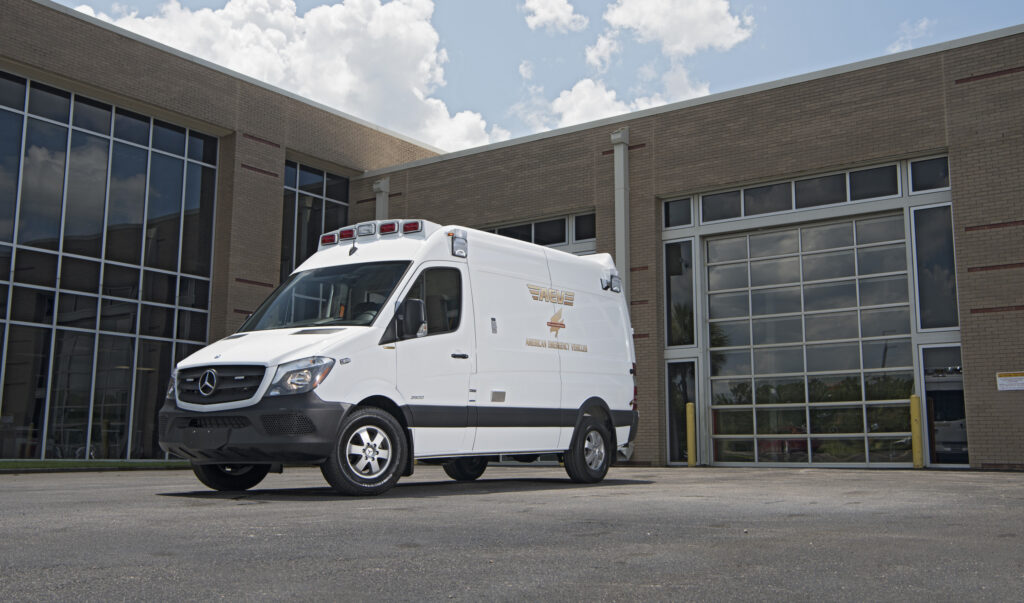
Lawyers interviewed by The Oregonian note that Oregon has some of the strictest recording laws. If the plaintiff’s allegations are confirmed, recording audio and video in patient compartments without notifying patients may violate state law. Even with warnings, according to experts, serious ethical and legal dilemmas remain.
Regardless of how this lawsuit ends, it highlights a broader issue facing vehicles that are increasingly equipped with sensors. The more cameras appear in trucks, police cars, delivery vans, and ambulances, the more often courts will have to determine where legitimate surveillance ends and personal privacy begins. For now, Martin’s lawsuit serves as a warning: what happens inside an ambulance does not necessarily remain a secret.


Photo above: Nissan | Main photo: Metro West EMS on Facebook
This case makes us think about how quickly technology intrudes into the trusted relationship between patient and medic, and whether society is ready for such a level of surveillance in critical moments. Even if the court finds the company’s actions legal, the ethical question of silently recording vulnerable people remains open. Perhaps Martin’s case will push lawmakers toward clearer regulation of camera use in emergency vehicles, as the balance between worker safety and patient privacy has yet to be found.