


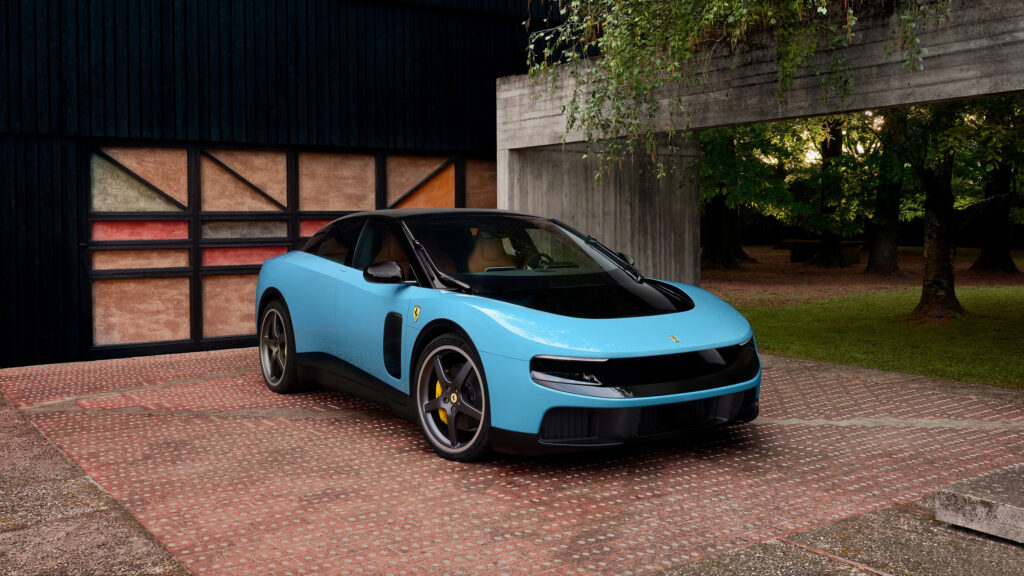
Ferrari Luce: Will an Electric Car Be the Key to Exclusive Models?
Ferrari has spent decades perfecting the formula for selling its cars. The company produces fewer vehicles than it can sell, letting exclusivity do its job. Now, according to new data, the brand’s first electric car is doing more than just boosting overall sales. Some collectors claim it is a ticket to securing allocations for much more coveted models in the future. Whether this strategy will work is another matter entirely.
A Signal for Loyal Customers
According to Bloomberg, several collectors and investors familiar with Ferrari’s client network claim they were directly or indirectly hinted that purchasing the Luce for €550,000 ($636,000) could strengthen their relationship with the automaker. The publication spoke with over half a dozen buyers from Italy to China about how Ferrari contacted them after the Luce’s debut.
Ferrari has long rewarded loyal customers with access to its most exclusive cars, including iconic models like the LaFerrari Aperta. In many ways, this is not news. Jay Leno, a famous collector, does not own any of them because he considers the process too cumbersome. Collectible car advisor Max Girardo compared the process to booking a table at a restaurant impossible to get into, noting that regular customers gain advantages over time.
The Rolex Strategy Applied to Cars
It is worth noting that Ferrari would not be the first luxury brand to operate this way. Rolex, Hermes, and others have built businesses on rewarding loyal customers with access to sought-after products. A buyer who regularly purchases watches from a Rolex dealer might eventually get a call about a hard-to-get steel Daytona. Hermes famously uses a similar approach with Birkin bags. The difference here is that the Luce itself seems to be a stepping stone, not the reward.
Ferrari told Bloomberg that it prioritizes customers with long-term relationships when allocating highly desirable cars. The company denies encouraging buyers to purchase vehicles solely to improve their standing. The company stated that customers should choose cars based on their own tastes and preferences, not on any perceived advantage in future allocations.
The Signal Is Clearly Perceived
Nevertheless, several collectors interviewed by Bloomberg stated that the signal is perceived clearly and unambiguously. One buyer claimed Ferrari emphasized that purchasing the Luce matters if he wants to remain among the company’s top clients. Others suggested that new customers might view the electric car as one of the pathways to future unique or limited-edition Ferraris.
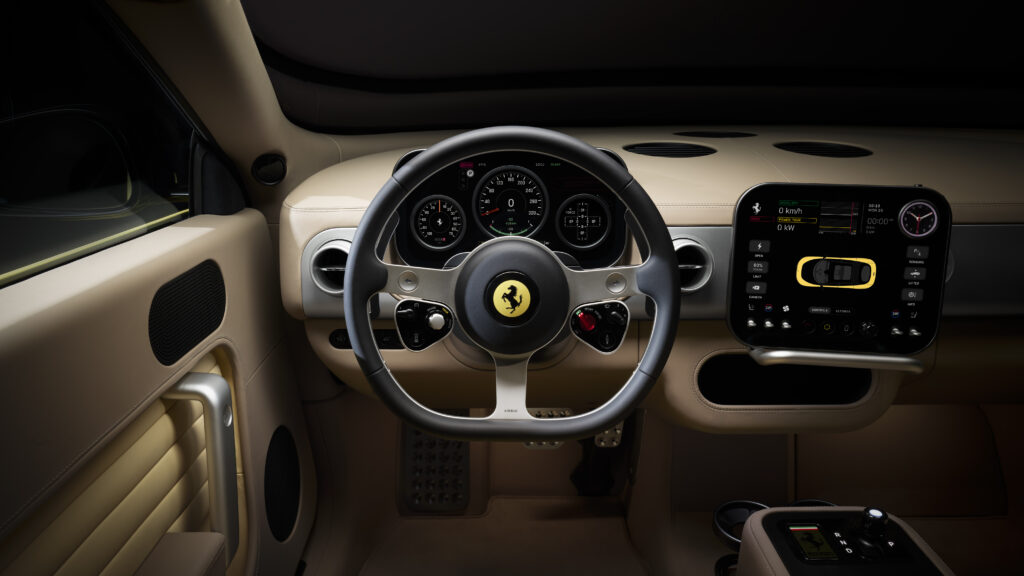

“Most people seem to hate this car and say it’s ugly,” said Paul Welch, founder of luxury asset platform MillionPlus. However, style is not the draw. “Some people are thinking of buying it just to get access to future cars and move up the waiting list — a lot of people are playing this game.”
Could the Strategy Backfire?
Ultimately, both sides could lose in this game. The Luce was not met with fanfare and excitement. Collectors hoping to secure a low-volume halo car could be left holding it and feeling disappointed if they don’t make the list after purchasing the Luce. In such a future, wouldn’t the Luce gain a reputation as a car that lets both sides down?
This situation recalls the classic marketing tactic of luxury brands, where access to the most desired products is limited not only by price but also by loyalty. However, for Ferrari, which has always bet on emotion and performance, turning its first electric car into a kind of ‘pass’ could be a risky move. If the Luce does not become desirable in its own right, but only a tool to achieve another goal, it could undermine the trust of even the most devoted clients. Time will tell whether this electric car becomes a stepping stone to success or a stumbling block for the Italian brand.