by
by Fighting Distracted Driving
The problem of driver distraction at the wheel is significant worldwide. Various U.S. states are tackling it differently, and Florida is considering new strict measures. The recently filed bill SB 1152 makes it illegal to hold any wireless communication device while operating a vehicle, even if the driver is not texting or making a call.
The author of the bill, presented this week, is Republican Senator Erin Grall. It expands the existing hands-free driving law in the “Sunshine State,” under which texting while driving is already a primary offense.
Under the proposed changes, even simply holding a phone, tablet, or similar gadget on one’s lap while the vehicle is in motion will be sufficient grounds for police to stop the car.
What Will Be Considered a “Device”?
The legislation provides a broad definition of “wireless communication devices.” These include mobile phones, tablets, laptops, two-way messaging devices, and even electronic gaming consoles capable of displaying images or video.
In short, if a device has a screen and you are holding it in your hands while driving, it will likely be illegal.
If the Florida legislature approves the bill and Governor Ron DeSantis signs it, the expanded hands-free driving law will take effect on October 1, 2026.
Fines will be particularly severe in school zones and construction zones. First-time offenders face a $150 fine and three points on their driver’s license. A second violation will increase the fine to $250, and a third could cost $500, four points, and a 90-day license suspension.
Public Reaction

Reaction to the bill is very mixed. Supporters argue that such a step is long overdue. According to data from the Florida Department of Highway Safety and Motor Vehicles, over 103,500 accidents in 2024 occurred due to driver distraction.
Activists believe that requiring drivers to completely free their hands could reduce the number of collisions, improve reaction time, and limit visual distractions when a driver glances at their lap.
However, not everyone is convinced. Some drivers in interviews with WPTV expressed concern that the bill goes too far, especially when a car is stopped at a traffic light or when there is an urgent need to respond to a situation involving family members.
A Possible Loophole in the Law
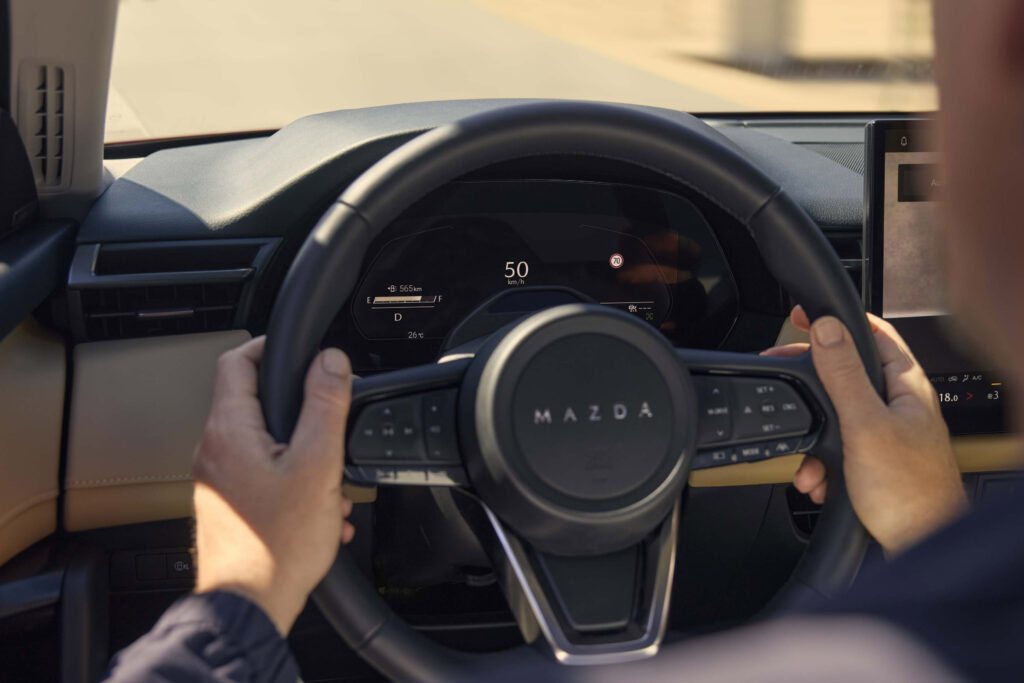
Notably, the bill’s text does not mention mounted devices. For example, police officers often have an entire laptop mounted on the dashboard, which they use regularly. Judging by the text of the law, an ordinary citizen will also be able to mount any device, including a phone or tablet, on the dashboard in a certain way and use it as long as they are not typing.
This could be a way out for those who want to switch music tracks, listen to audiobooks, podcasts, or take calls via speakerphone in their car. Importantly, the bill also contains an exception for individuals who used a phone to report criminal or suspicious activity.
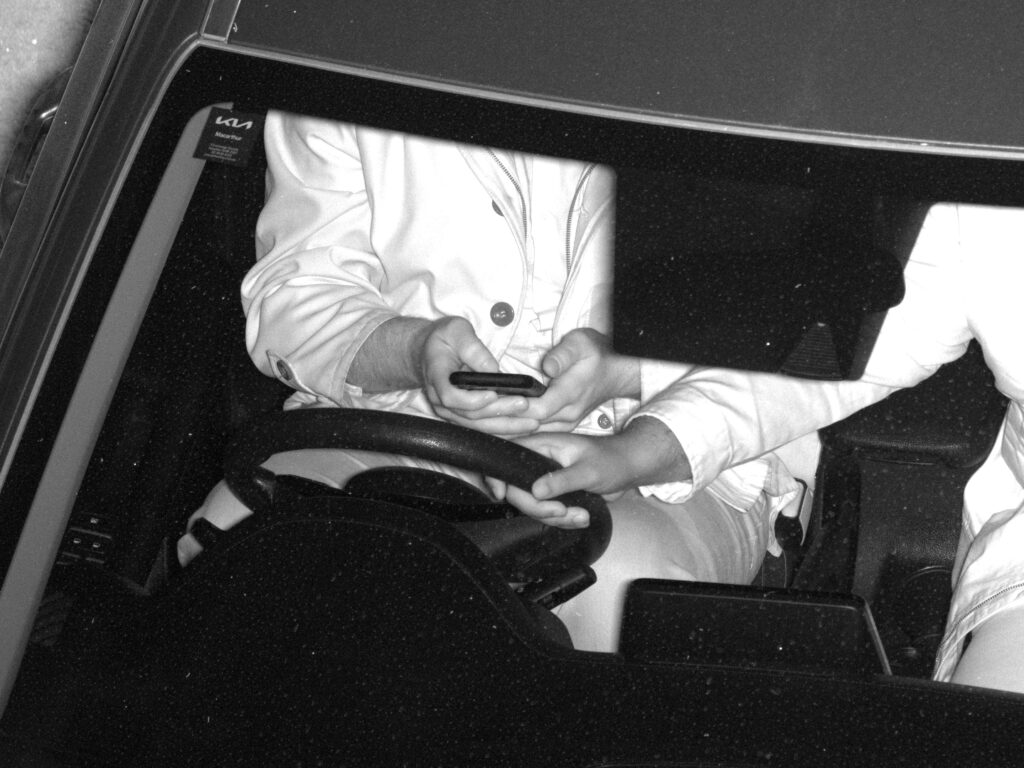
Similar legislative initiatives are increasingly appearing in various regions of the world as a response to the rise in accidents due to smartphone use. Hands-free technology has long been integrated into modern cars, making physical contact with a device while driving less necessary. The success of such measures often depends not only on strict fines but also on awareness campaigns that explain the real risks to citizens. Florida’s statistics clearly indicate the scale of the problem, so finding a balance between safety and driver convenience becomes a key task for legislators. The future will show whether this bill becomes a model for other states or sparks a wave of public resistance due to its overly broad interpretation.