


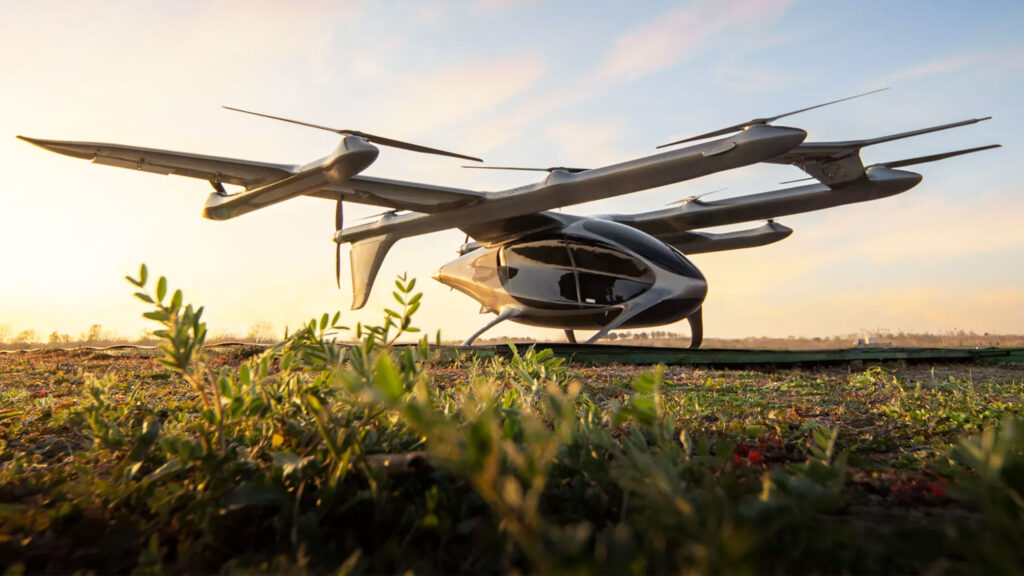
Through the federal National Electric Vehicle Infrastructure (NEVI) program, launched under the Biden administration, U.S. states received millions of dollars to develop local EV charging networks. Some of these taxpayer-funded charging stations have already been built. But not in Florida, which wants to spend the money on flying cars.
Florida received $197 million under the NEVI program. This money could have significantly expanded the state’s charging network, but local officials believe the private market has already done enough to let EV owners charge quickly and conveniently at public stations.
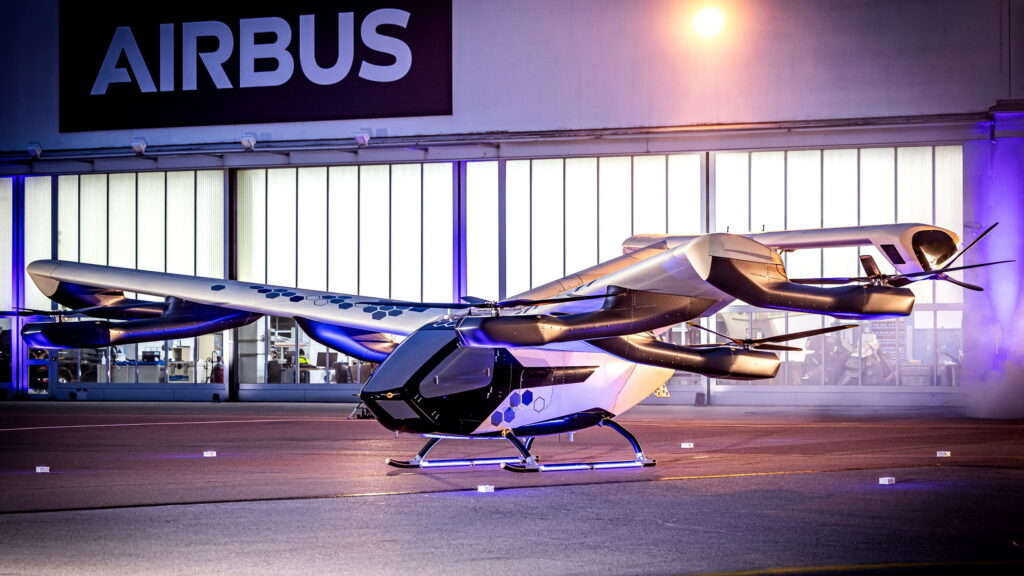
The plan, uncovered by the Miami Herald after a records request filed in January, shows that the Florida Department of Transportation (FDOT) intends to spend the funds on creating an “Aerial Highway Network.” It involves electric vertical takeoff and landing aircraft (eVTOL) and 32 landing pads spread across the state. FDOT notes that it began planning for flying cars back in 2021 and spent more than three years in public consultation on the project.
Bad news for EV owners
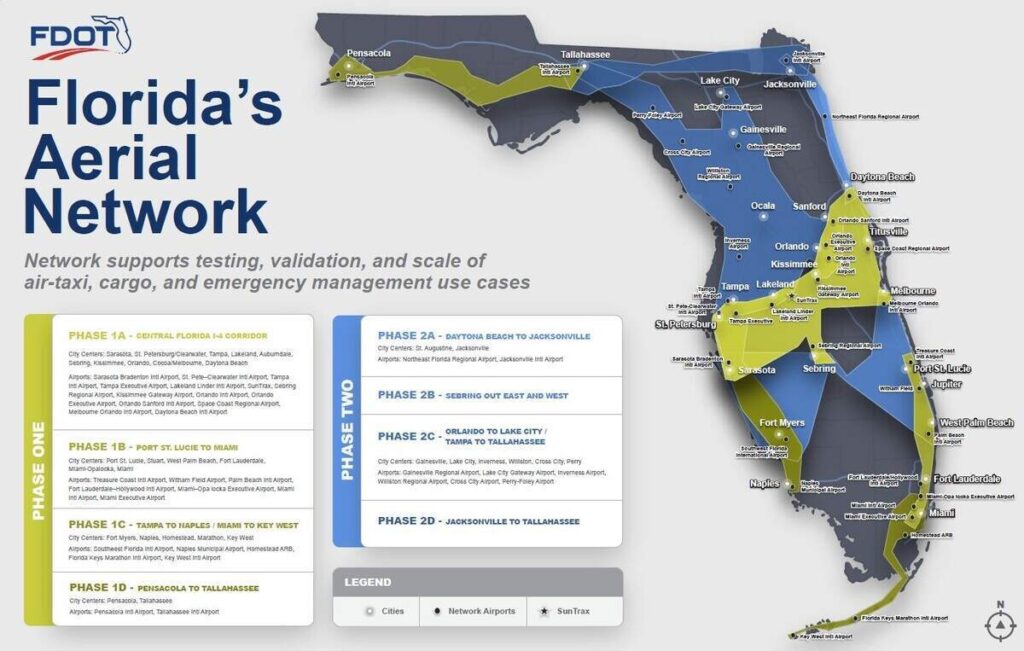

“The Florida Department of Transportation will not spend taxpayer money on conventional passenger cars. Instead, FDOT’s proposal represents an innovative and strategic approach intended to deliver the greatest benefit to Floridians by supporting a new mode of transportation that is emerging,” the document says.
Stephen Smith of the Southern Alliance for Clean Energy criticized the initiative. In a comment to the Miami Herald, he said:
“The money is simply being taken from a project that could benefit a large number of people and handed to oligarchs and the ultra-wealthy for these new technologies.”
$5.6 million per pad
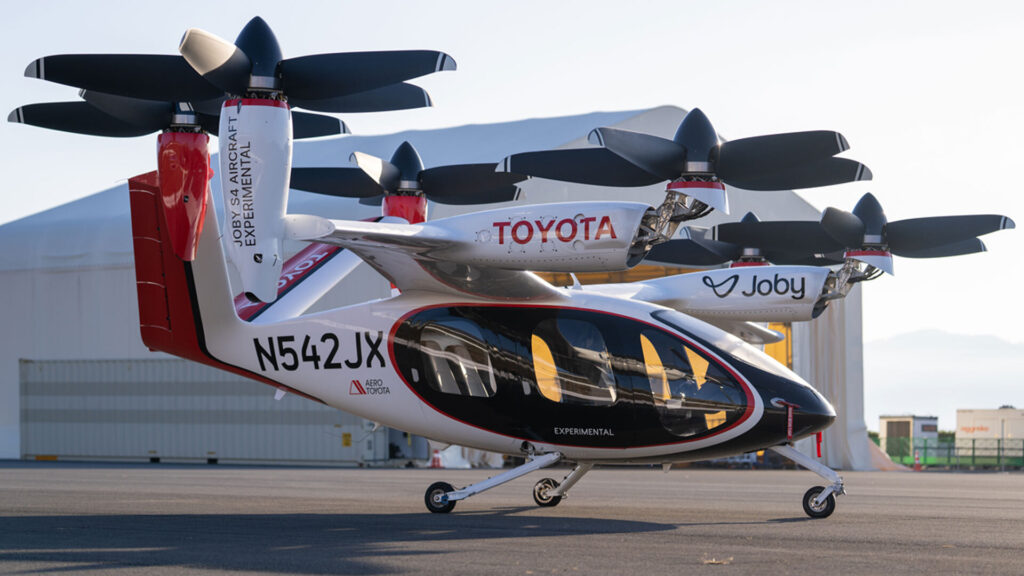

According to the plan, each pad would cost approximately $5.6 million. They could be built near airports, upscale residential complexes, military bases, and golf courses. The list itself shows who benefits from the project: wealthy residents, not an EV owner desperately looking for a working charger. The documents also indicate that Florida may cover the required matching share for some projects itself, rather than leaving those costs to private companies as NEVI terms usually require.
The Miami Herald report noted that as of January 2025, Florida had 452 fast-charging stations and 1,708 Level 2 slow chargers. How many there are now is not exactly known. Although the number of chargers has grown thanks to private companies since the NEVI program was announced, Florida ranks second in the country in the number of electric vehicles, yet has fewer charging devices per car than the U.S. average.
The rules allow it
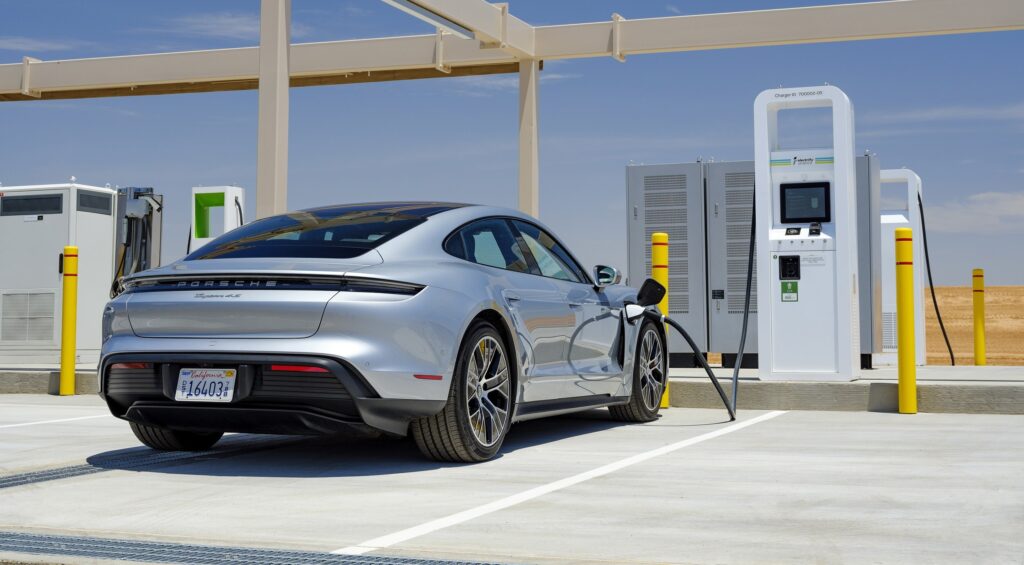

Updated NEVI rules allow funds allocated under the program to be redirected to other charging infrastructure needs. The Federal Highway Administration has already reviewed Florida’s charging corridor and agreed that it is fully equipped. Other states are using this flexibility differently. For example, North Carolina is directing money to chargers in residential complexes for residents who cannot charge at home. That is why FHWA is expected to approve Florida’s request to spend its share on flying cars.
Florida claims its flying car ambitions will help reduce highway congestion. However, it is hard to imagine they will have a significant impact on traffic unless hundreds or even thousands of eVTOLs are deployed. In addition, the state will need manufacturers to start selling and operating such aircraft locally. Otherwise, the new landing pads may simply sit unused.
At the same time, Florida’s decision raises many questions about the real priorities of transportation policy. If an experimental mode of transport gets far more attention than basic charging infrastructure, it could slow the transition to electric vehicles in the state, especially for people who do not have their own charger at home. It is also unclear how officials will measure the effectiveness of these 32 pads and whether they will actually become part of everyday life or just another project to showcase technological ambitions. In the meantime, other states are showing that NEVI funds can be used more practically, helping ordinary drivers today. So the future of Florida’s “aerial highways” will depend not only on permits, but also on market readiness, real demand, and economic feasibility.