


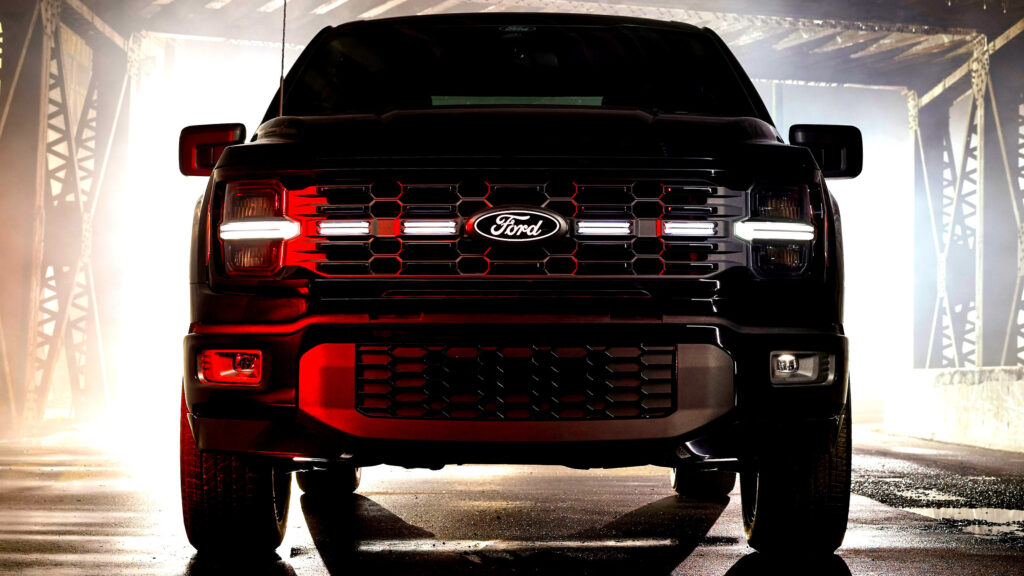
The pickup truck market in the US continues to be very active, and Ford is celebrating another victory. Here are the key points from the latest data:
Ford’s Undisputed Leadership
The year is not over yet, but Ford can already celebrate, as it has managed to sell over 800,000 F-Series pickups in 2025. This means their full-size lineup has become America’s most popular pickup for the 49th consecutive year.
Although final figures will only be published in January, F-Series sales through the end of November increased by 9.3%. With 749,471 vehicles sold by the end of the month, it’s no surprise that Ford surpassed the 800,000-unit mark.
Competition from General Motors
GM publishes sales data only quarterly, making their numbers harder to track. However, Chevrolet sold 432,064 Silverados in the first nine months of the year, representing a 4.8% increase. If this trend continues, they will likely end the year with sales of around 576,085 units.
GMC Sierra sales through September rose by 12.5%, with the brand selling 257,992 trucks. This suggests an expected annual sales figure of approximately 343,989 vehicles.
If these figures are confirmed, General Motors will likely surpass Ford by a significant margin. However, these sales are split between two brands, so the title of the most popular pickup will still go to Ford.

Positions of Stellantis and Toyota
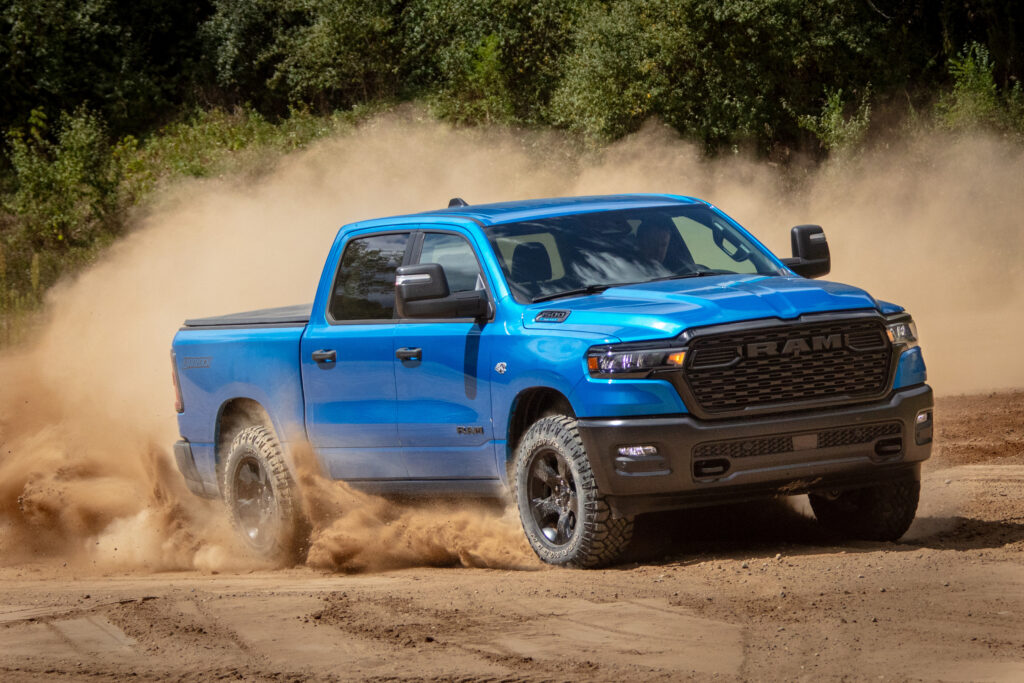
At Stellantis, Ram truck sales through September fell by 2% to 262,386 units. This means they could sell around 349,848 vehicles by the end of the year.
However, the actual number might be higher due to strong demand for the Ram 1500 with the Hemi engine. When this model first arrived at dealerships, its average time on the lot was just five days.
Recently, Ram CEO Tim Kuniskis stated that the situation is better than the numbers might show. As he explained at an event earlier this month, retail sales have increased significantly, even if the overall figures don’t look very impressive.
As for Toyota, 110,945 Tundra pickups were sold in the first nine months of the year. This is 5.6% less than before, and at this rate, the company will sell about 147,927 units by the end of 2025.
Future Plans and the Electric Lightning
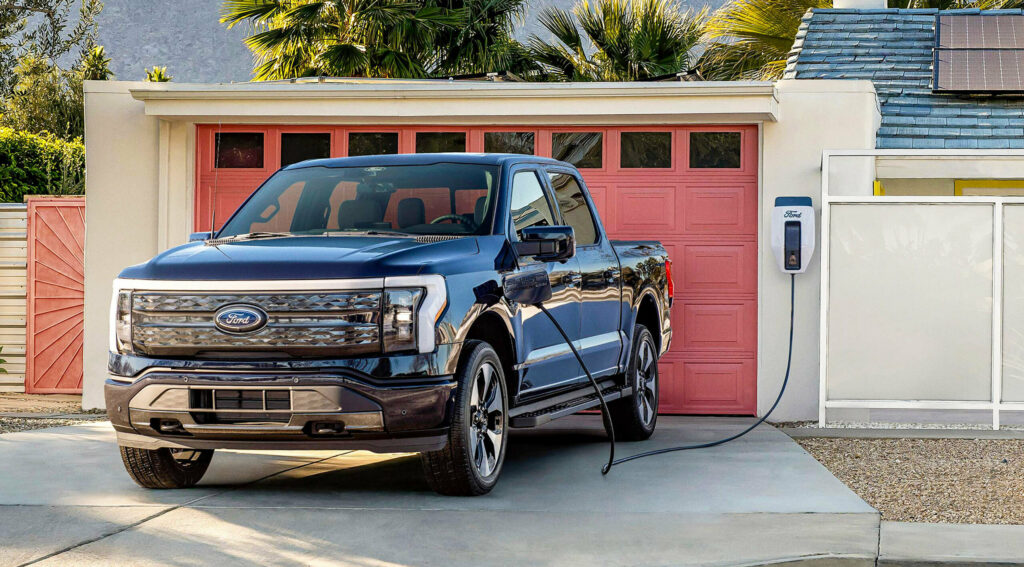

Beyond the expected victory, Ford stated that its success in the pickup market is based on “understanding that capability has more than one definition” and the ability to listen to its customers. The company noted that this also applies to the electric F-150 Lightning, as they have a clear understanding of what worked and what presented difficulties.
One of the biggest reported challenges was towing heavy loads over long distances. This shouldn’t be surprising, as pickups weren’t created just for grocery runs, although many use them that way.
The company stated that this forced them to rethink the second-generation Lightning as an electric vehicle with an extended range that will allow customers to travel over 700 miles (1,127 km) between charging stops.
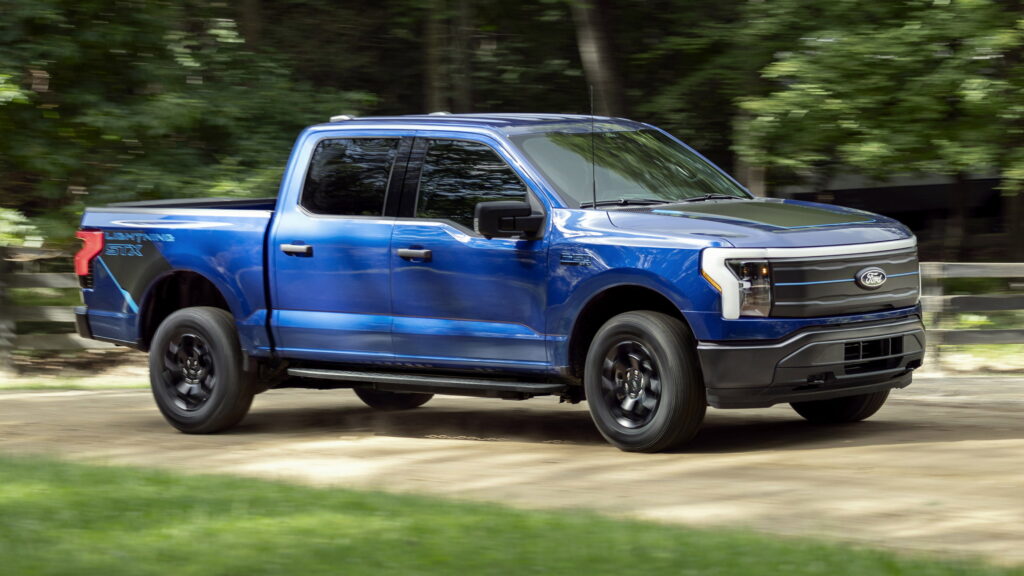
Of course, there is a certain amount of marketing here, as production of the first-generation Lightning was halted due to weak demand. By the end of November, Blue Oval had sold only 25,583 such vehicles, meaning it was outsold by all other Ford and Lincoln models except the E-Transit (5,091), Corsair (23,896), Aviator (21,188), and Navigator (19,393).

Interestingly, despite Ford’s formal leadership, the overall pickup market picture shows fierce competition. The combined sales of GM (Chevrolet Silverado and GMC Sierra together) may exceed Ford’s figures, indicating deeper competition than the “best-selling” title might suggest. The success of the Ford F-Series is a significant achievement, especially considering the nearly fifty-year tradition, yet the market continues to evolve. The future of electric pickups like the Lightning remains uncertain, and the next generation must solve key issues related to range and practicality to become a true mass-market product, not just a niche model in the lineup.