


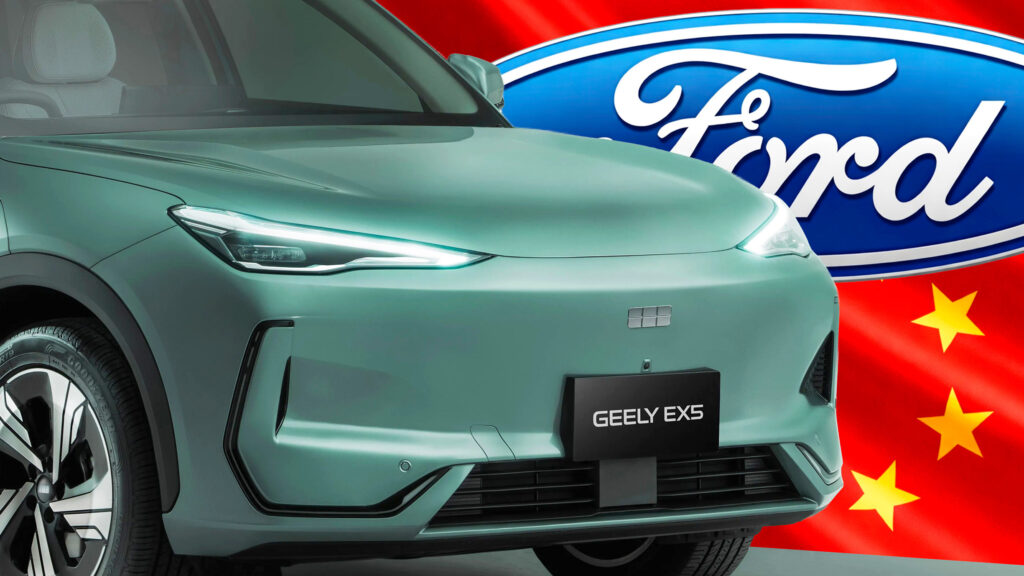
Potential Partnership Between Ford and Geely in Europe
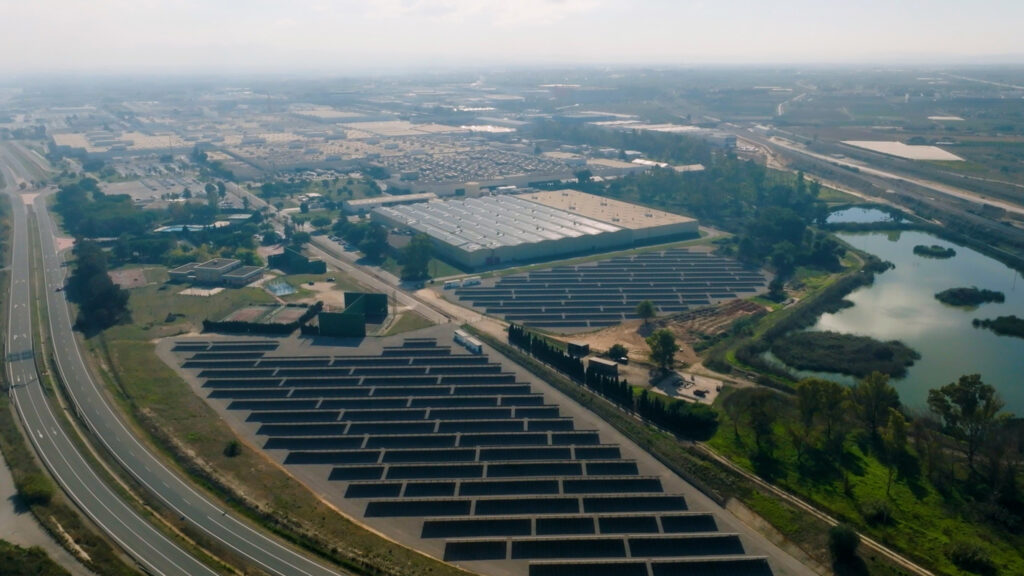
Ford may allow the Chinese automaker Geely to produce cars at its European plant. Such joint manufacturing activity would help Chinese brands avoid high customs tariffs. The most likely location for this deal is the plant in Valencia, Spain.
The potential partnership between Ford and Geely in Europe resembles the plot of a Hollywood comedy about unlikely partners. On one side — production capacity and rising costs, on the other — cutting-edge technology and a tariff problem. Their union could transform Valencia into one of the most unexpected centers of the automotive industry.
Overcoming Customs Barriers
The reported negotiations are focused on building Geely cars at Ford’s facilities in Europe. This is crucial because cars manufactured within the European Union are not subject to significant duties imposed on Chinese-made electric vehicles. Instead of paying additional fees at the border, Geely would be able to produce its cars directly at the Ford plant for subsequent supply to European customers. Currently, one in ten cars sold in the region already belongs to a Chinese brand.

Benefits for Ford
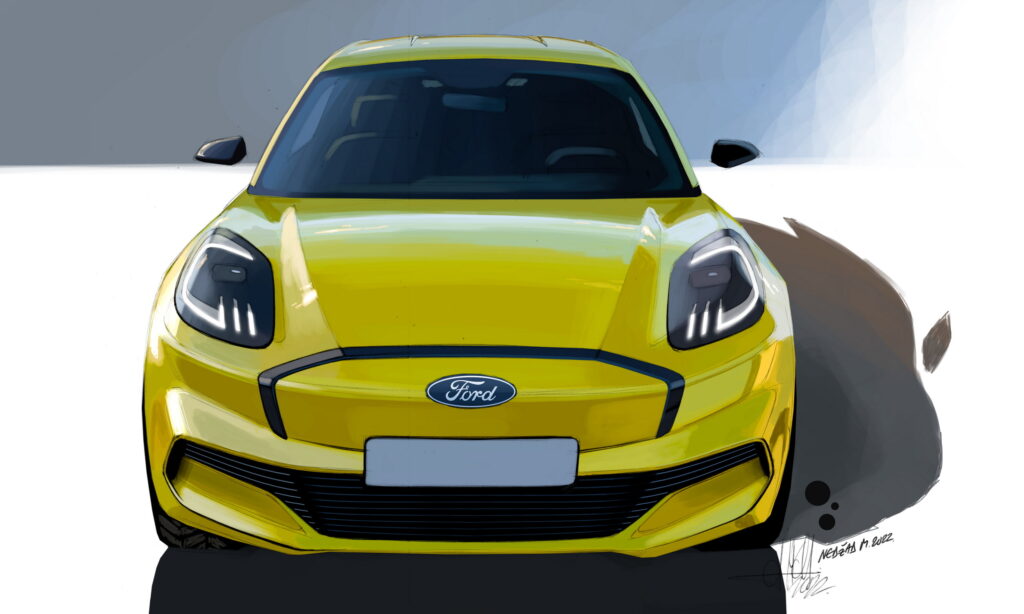
For Ford, which currently produces only the Kuga (Escape) model in Valencia but plans to add the European Bronco SUV by 2027, this deal is a matter of efficiency, not improving international relations. Production volumes in Europe are shrinking, and idle capacity is a waste of resources. Filling these lines with Geely models could increase the plant’s utilization and distribute costs over a larger number of vehicles.
Technology Exchange
However, this is not a one-sided favor. It is reported that Geely, in turn, will transfer some of its knowledge in the field of driver assistance systems (ADAS) to Ford. Chinese automakers are rapidly advancing in the development of these systems, and Ford’s management has openly acknowledged that the technology gap has widened. Access to ready-made technologies could save years of in-house development.

Historical Context and Production Candidates
There is already some history of relations between the companies, as Geely owns Volvo, which Ford sold to the Chinese company years ago. However, there is no information that Volvo cars will be produced in Spain (the EX30 model is already produced in Belgium). According to forecasts, the main candidate for production in Valencia could be the Geely EX5 electric SUV.
Geely’s Experience and the General Trend
Geely already has experience with similar deals, for example, with Renault in South Korea and Brazil. It is far from the only Chinese brand seeking to establish production in Europe. BYD is opening a plant in Hungary this year, and MG is finding a site for its European plant.
No official decisions have been made yet, but if the deal between Ford and Geely goes through, it could become a model for how Western automakers with a rich history and rapidly developing Chinese players can collaborate while remaining competitors.
This potential deal clearly fits into the broader transformation of the global automotive market, where the geographical boundaries of production are becoming increasingly blurred. Cooperation at this level could lead to an acceleration of technological development, especially in the electric vehicle and autonomous driving segments, ultimately benefiting consumers through a more diverse and competitive market. The success of such an alliance could also be decisive for the future of many European car plants facing underutilization challenges.