 by
by The End of the All-Electric Pickup Era
Ford is officially discontinuing production of the all-electric F-150 Lightning pickup. The company had high hopes for this model, but demand did not meet expectations. This led to production being indefinitely halted earlier this year to focus on more profitable vehicles.
New Life with a New Concept
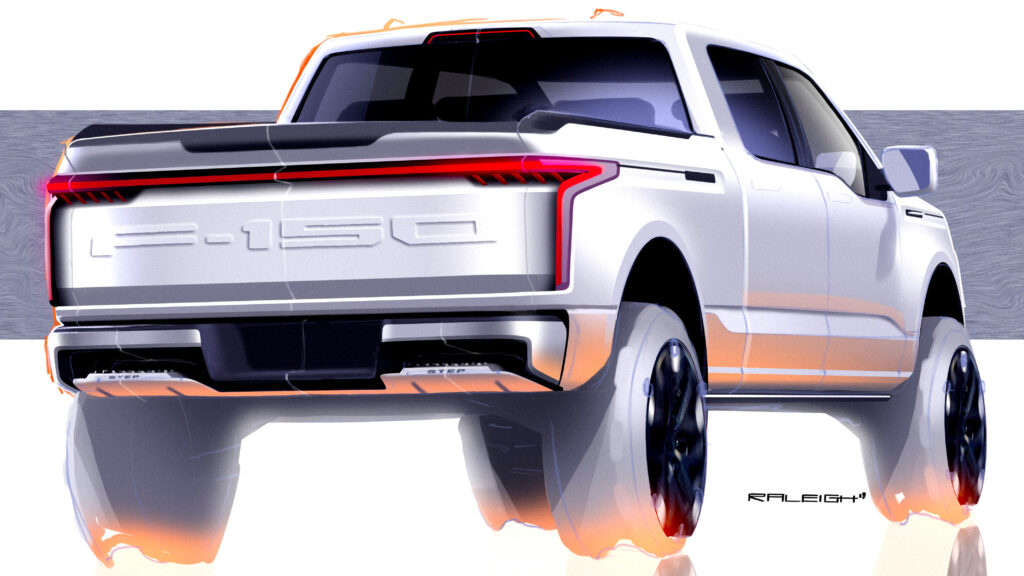
However, this does not mean the end of the F-150 Lightning story. On the contrary, Ford has already announced a second-generation model, which will not be all-electric but a so-called extended-range electric vehicle. In fact, the company acknowledges that a full transition to electric for this pickup was a mistake and is now following the example of its competitor — the Ram 1500 REV.
The key figure Ford boasts is a range of over 700 miles (over 1,100 kilometers). For comparison, the current all-electric Lightning version offered a maximum of 320 miles. This leap will be made possible by installing a range-extender engine-generator that will recharge the battery while driving.
Our next-generation F-150 Lightning EREV will be just as revolutionary. It gives customers everything they love about Lightning — instant torque and pure electric motion. But thanks to a powerful range extender with over 700 miles of range, it pulls like a locomotive.
Technology and the Future
The new model will likely get a smaller and cheaper battery, but Ford confirms it will retain the power export function to power anything — from construction sites to homes during blackouts. The company emphasizes that this technology continues the F-series’ legacy of innovation, combining electric benefits with necessary reliability.
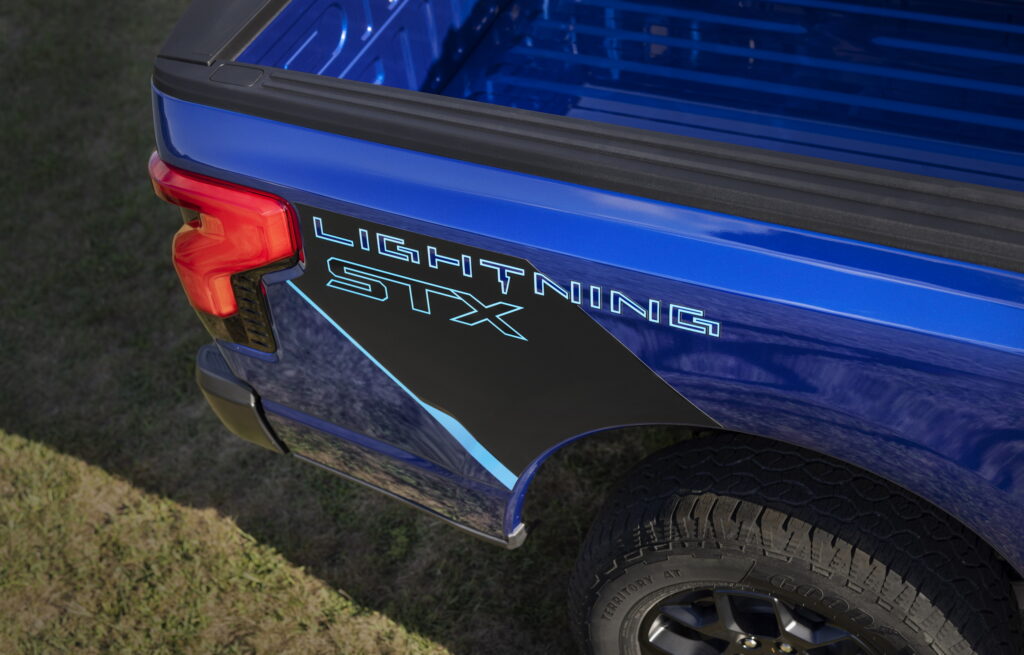
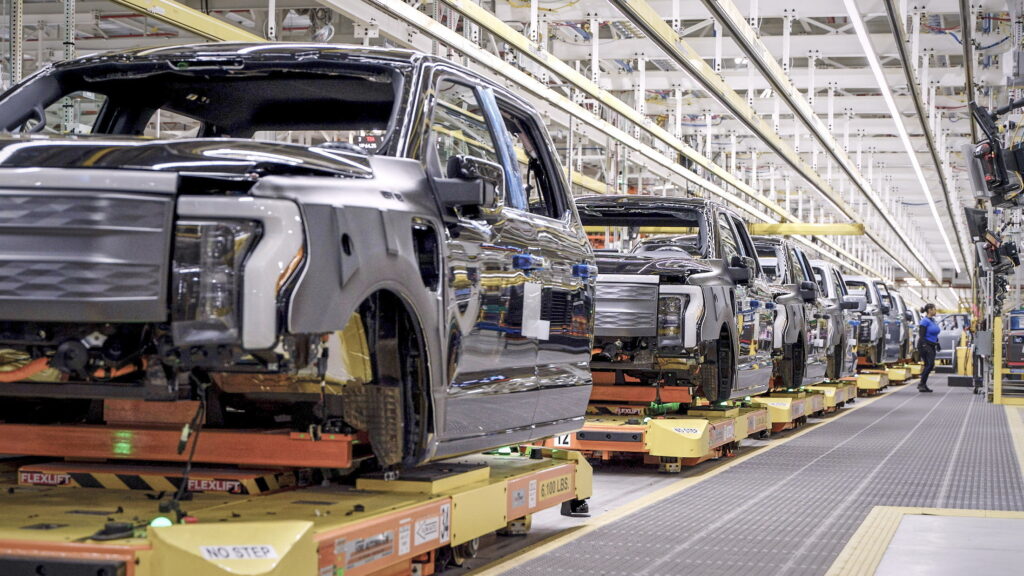
Production of the new second-generation F-150 Lightning is planned at the same Rouge Electric Vehicle Center in Dearborn, which was previously idled. Exact launch dates for the model have not been disclosed yet, and we may have to wait.
Ford’s decision to move from an all-electric architecture to an extended-range technology reflects a broader trend in the automotive industry, especially among full-size pickups. Buyers in this segment often use vehicles for long trips, towing, and work in conditions where fast charging may be unavailable. The proposed range of over 700 miles essentially eliminates range anxiety, which was the main barrier to a full transition to electric, while preserving all the benefits of electric drive in daily use. This step could define the future of heavy electrified vehicles in markets where infrastructure is still developing.