


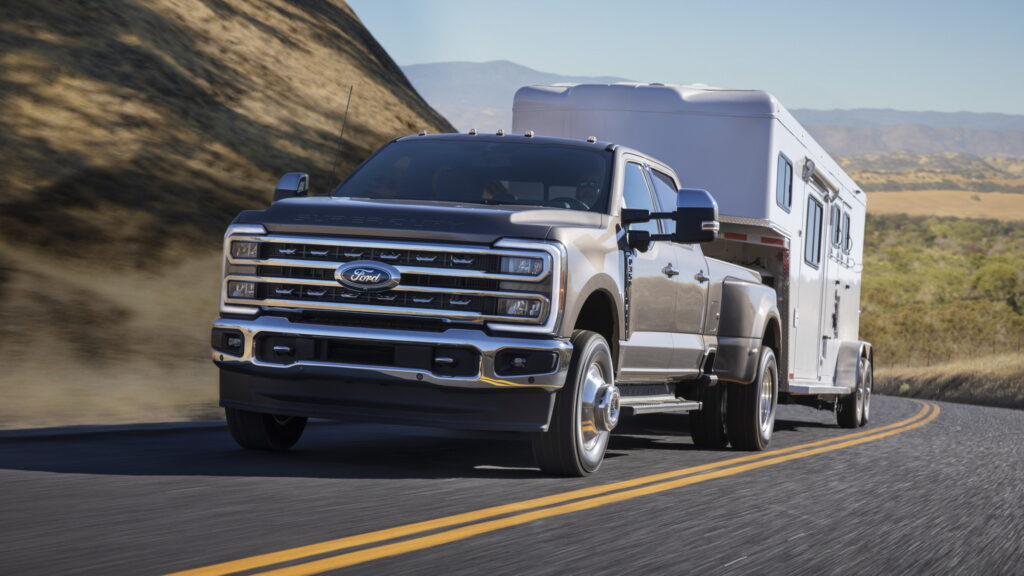
Ford tops JD Power quality ranking among mass-market brands
Ford, which last year was the leader in the number of recalls (153 campaigns), is showing significant improvement this year. Although in 2026 the company has already conducted 51 recalls, ahead of Stellantis (19), GM (17) and Toyota (15), it has managed to achieve notable success in the field of initial quality.
According to the latest JD Power study, Ford has become the best mass-market brand, with only 152 problems per 100 vehicles. This allowed it to surpass Nissan (156) and Buick (162).
Additionally, Ford received three awards for highest quality in its segments: for the Mustang, F-150, and F-Series Super Duty models.
The company noted that this achievement is the result of 16 years of work, and the number of problems per 100 vehicles decreased by 41 compared to last year. Lincoln also improved its position, rising to sixth place among premium brands.
Ford explains this success through years of persistent work and efforts aimed at improving infotainment systems. The company also brought together different teams and involved suppliers at early stages to reduce the number of problems during the launch of new models.
Ford CEO Jim Farley stated: “Many doubted that an American company with a huge American workforce could compete with the best in the world in quality, let alone reach the top. But we kept our heads down and worked together every day to provide for our customers. Today, Ford is not only the most American automaker but also the gold standard for new car quality.”
Porsche takes first place
Although Ford took third place overall, Porsche became the leader, with only 138 problems per 100 vehicles. Additionally, the 911 model was recognized as having the highest initial quality. It also outperformed the Chevrolet Corvette in the “premium sports car” segment.
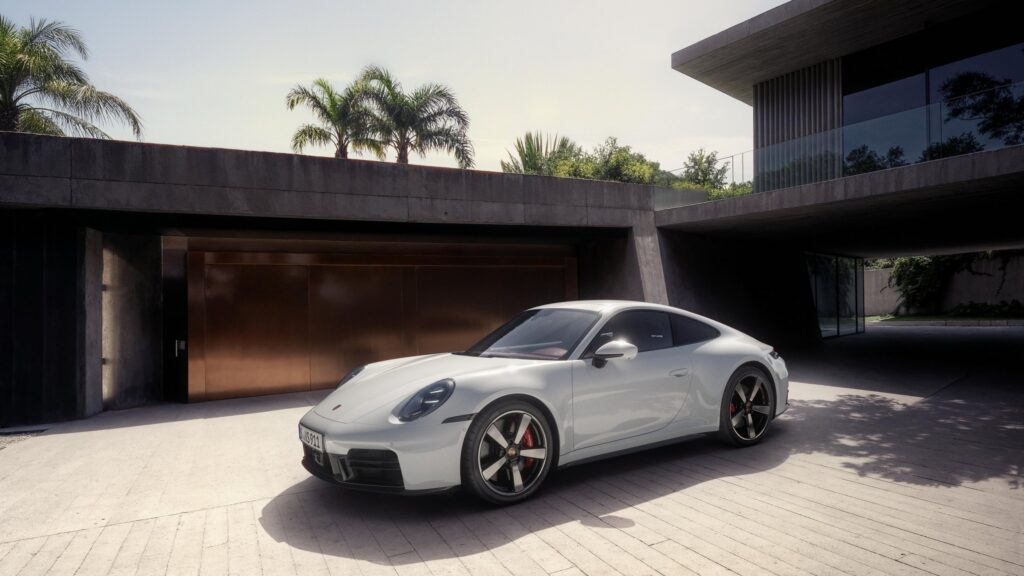

CEO of Porsche Cars North America, Timo Resch, noted: “Winning this award reflects the meticulous attention to the smallest details that our engineers dedicate to every vehicle to ensure our customers receive the level of quality they rightly expect from Porsche.”
Unexpected results
In addition to the leaders, the study revealed several surprises. Genesis took second place with 151 problems per 100 vehicles, a significant jump from 10th place last year (183 PP100).
Lexus dropped from first to fourth place, while Land Rover significantly improved its performance, reducing problems from 208 to 173 PP100.
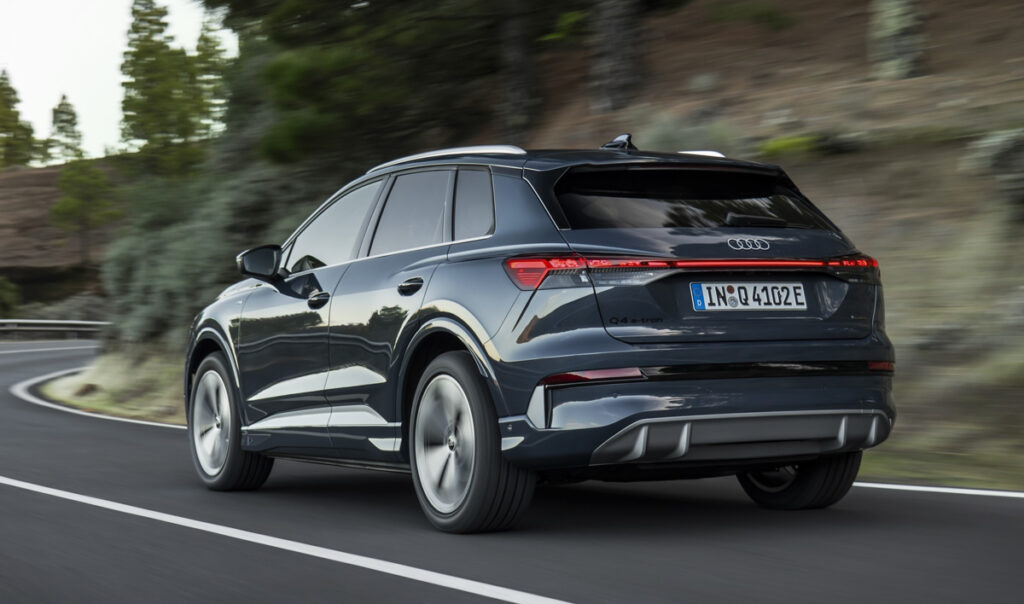

Audi, which was last place last year with 269 problems per 100 vehicles, reduced this figure to 225 but only moved up three positions. Last place this year went to Infiniti with 235 problems per 100 vehicles, slightly better than 242 last year.
Segment winners
Among the vehicles that received the highest ratings, notable mentions include the Kia K4, Hyundai Sonata, Cadillac CT4, and the BMW 2, 5, and 8 Series.
In the crossover and SUV segment, winners were the Nissan Rogue, Chevrolet Blazer, Hyundai Venue, and Subaru Ascent. The Chevrolet Tahoe and Toyota Sequoia shared first place in the large SUV segment.
Among premium models, the best initial quality was demonstrated by the Cadillac XT5, Lexus NX, and the BMW X2, X6, and X7. The Kia Carnival was named the best minivan, and the Hyundai Santa Cruz was named the best mid-size pickup truck.
Key findings of the study

The study examines problems owners face during the first 90 days of vehicle ownership. According to JD Power, the overall quality of new cars has “significantly improved this year, with fewer problems recorded in nine out of ten categories.” The average rate dropped from 192 to 175 problems per 100 vehicles.
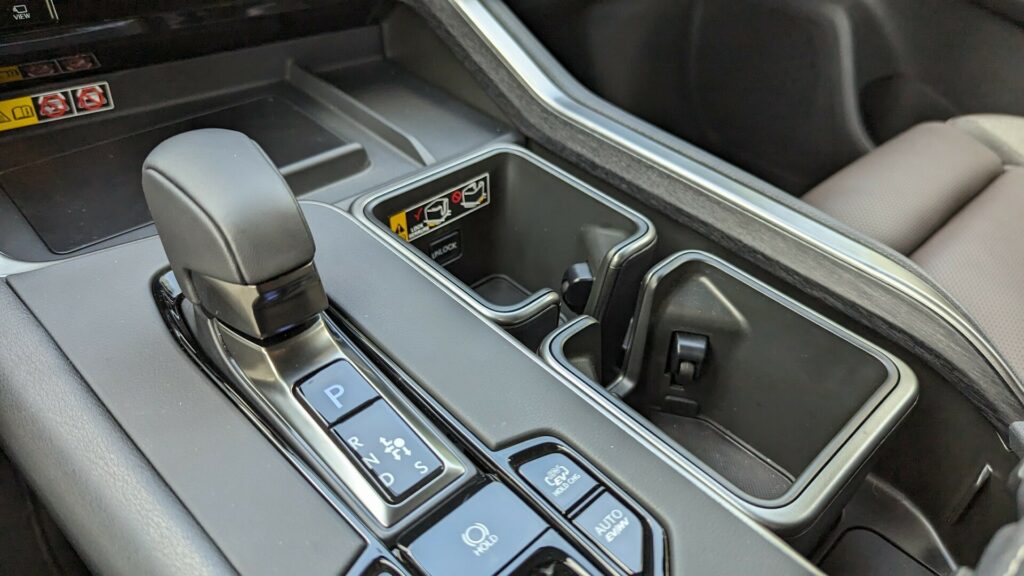
However, it is worth noting that quality might not mean what you think. For example, the biggest contributor to the improvement was cupholders, thanks to a more convenient location and the ability to accommodate various cup/bottle sizes.
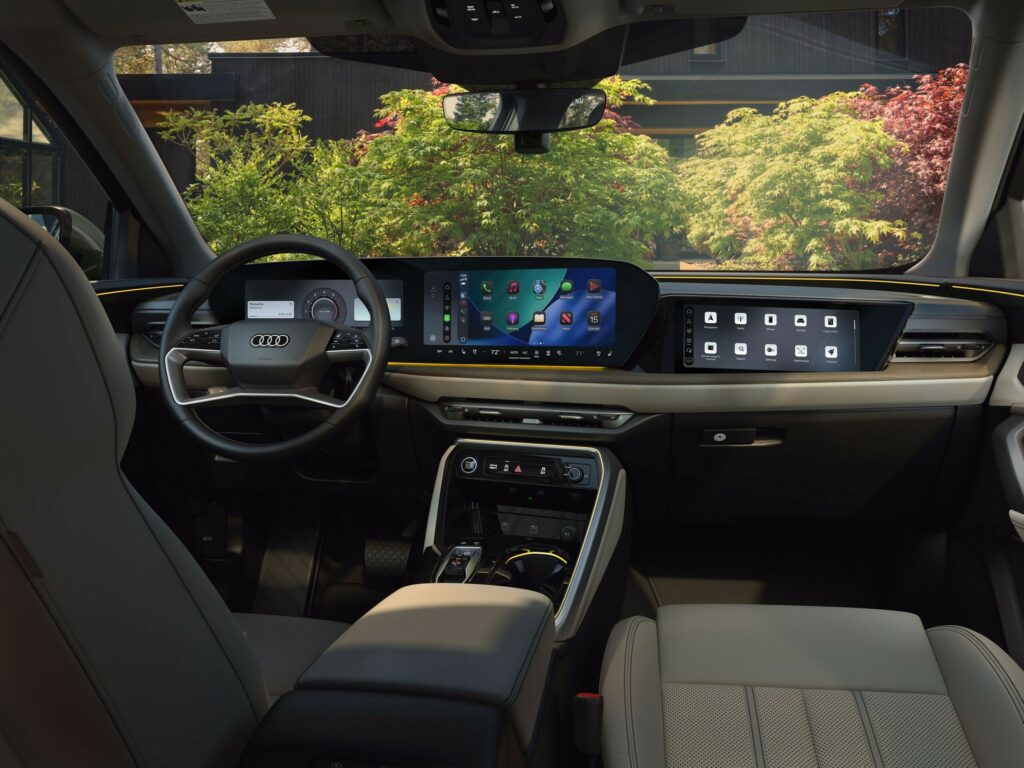

The biggest shortcoming remains infotainment systems, as “connectivity issues continue to degrade the customer experience.” Complaints about Android Auto and Apple CarPlay connectivity increased by 1.4 PP100, the largest factor worsening quality in this category.
While automakers cannot be blamed for problems with Apple and Google technologies, they have become an integral part of modern vehicles.

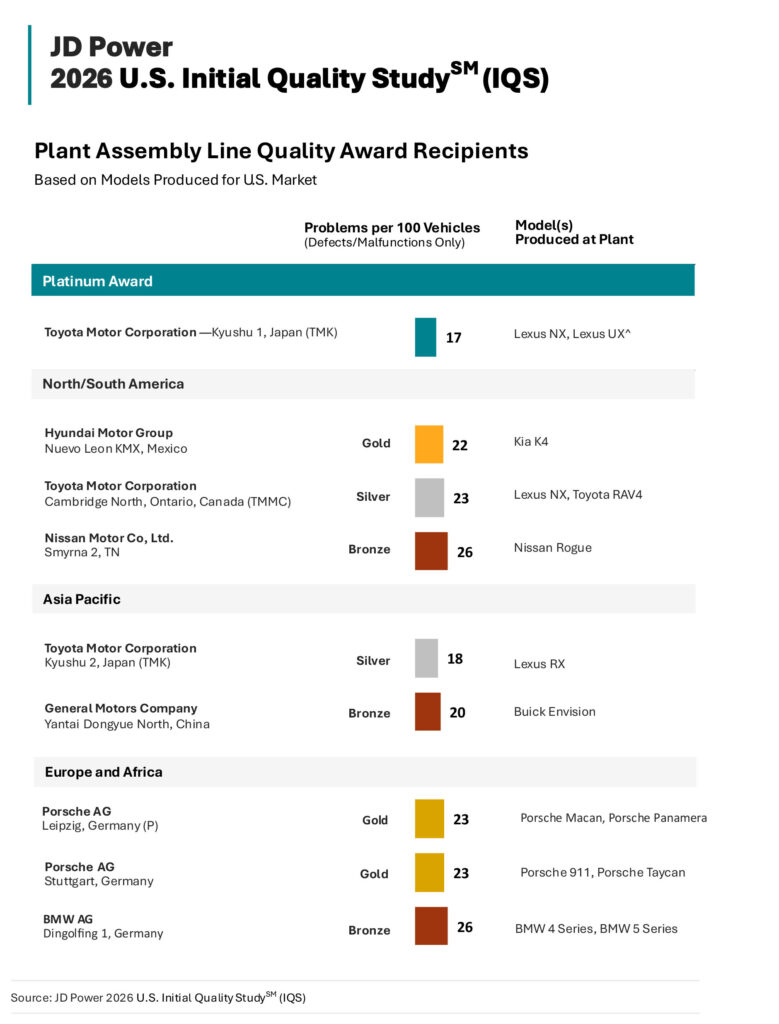

Interestingly, the JD Power study shows how different aspects, from small details like cupholders to complex technologies, impact the overall perception of quality. Despite Ford’s ability to significantly improve its standing, the issue of recalls remains relevant, highlighting the difficulty of balancing rapid production with long-term reliability. The success of Genesis and Porsche demonstrates that even in a highly competitive environment, significant achievements can be made by focusing on quality and attention to detail. At the same time, problems with infotainment systems, especially smartphone connectivity, remain a headache for all automakers, and solving them requires close cooperation with technology giants.