 by
by Plans for Autonomous Driving
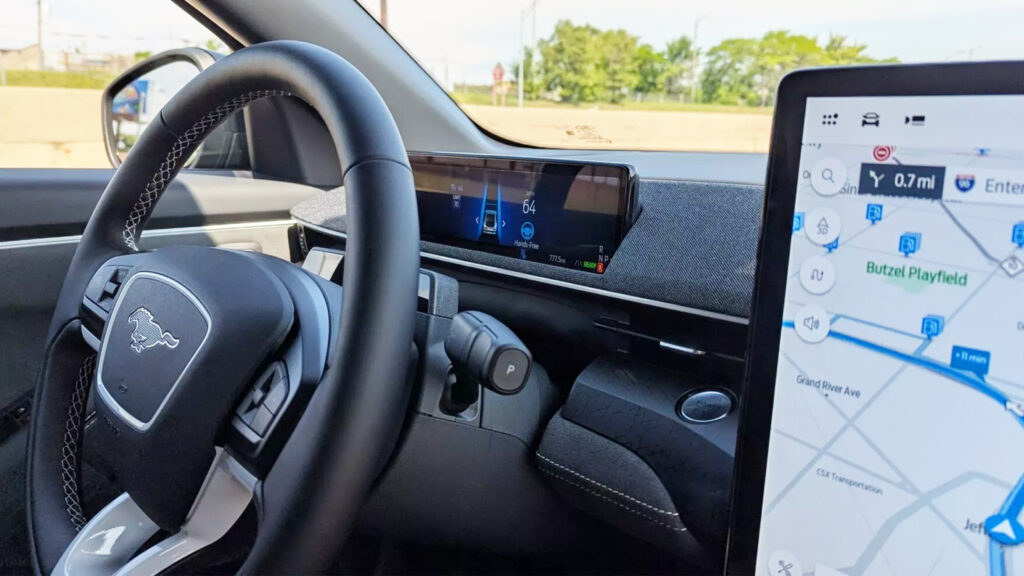
Ford has announced that it will introduce a Level 3 (L3) driver assistance system in 2028. This system will allow the driver to take their hands off the wheel and eyes off the road. It will be installed on a vehicle built on an affordable universal electric platform, the launch of which is planned for 2027.
The development of such an advanced driver assistance system has taken a long time. As far back as 2016, the automaker stated that by 2021 it would have a commercial vehicle with Level 4 autonomy, skipping Level 3. However, like many other companies, Ford underestimated the technical challenges of developing such systems.
Technological Basis and Accessibility
The manufacturer reported that it will use LiDAR technology to support the Level 3 system. Although the technology will debut on a vehicle from the new universal platform, which will start with a mid-size electric pickup costing around $30,000, it has not been confirmed that this particular model will be the first with the L3 system.
Ford’s head of electric vehicles, Doug Field, noted that the new driver assistance system will not be a standard option at the base price of $30,000, but will be offered for an additional fee. The company has not yet decided whether this will be a one-time payment or a monthly subscription.
Autonomy should not be a premium feature.
Ford plans to make its L3 system affordable through software and hardware developed in-house. Owning the technology will allow it to offer “significantly more capabilities at a cost 30% lower than if we bought it from external suppliers,” making the system more scalable.
New Computing Center
A key element is the new unified vehicle “brain” — a powerful module that integrates infotainment, the driver assistance system (ADAS), audio, and network systems. This new computing center gives Ford five times more control over semiconductors, performs complex tasks faster, is almost half the size of older computers, and is significantly cheaper to produce.
Artificial Intelligence Assistant
In addition to these announcements, at the CES show Ford introduced a new AI-based assistant. It is not simply an analog of ChatGPT or Gemini, but is specifically tailored for Ford vehicles. For example, if you take a photo of a stack of firewood, it will tell you how many such stacks will fit in the bed of your F-150 pickup. This assistant will appear in Ford and Lincoln apps, and starting next year will be integrated directly into the onboard screens of models from these brands.
These announcements demonstrate a clear strategic shift by Ford towards software-defined vehicles, where in-house developments play a key role. The emphasis on making autonomous features accessible to the mass market, not just the premium segment, could become a serious competitive advantage. The success of this strategy will depend on how flawlessly and reliably the complex L3 technology can be made, as well as on the willingness of buyers to pay for it separately. The parallel development of the AI assistant indicates the company’s desire to create a comprehensive digital experience that goes far beyond the driving process itself.