 by
by Ford Electric Model Updates
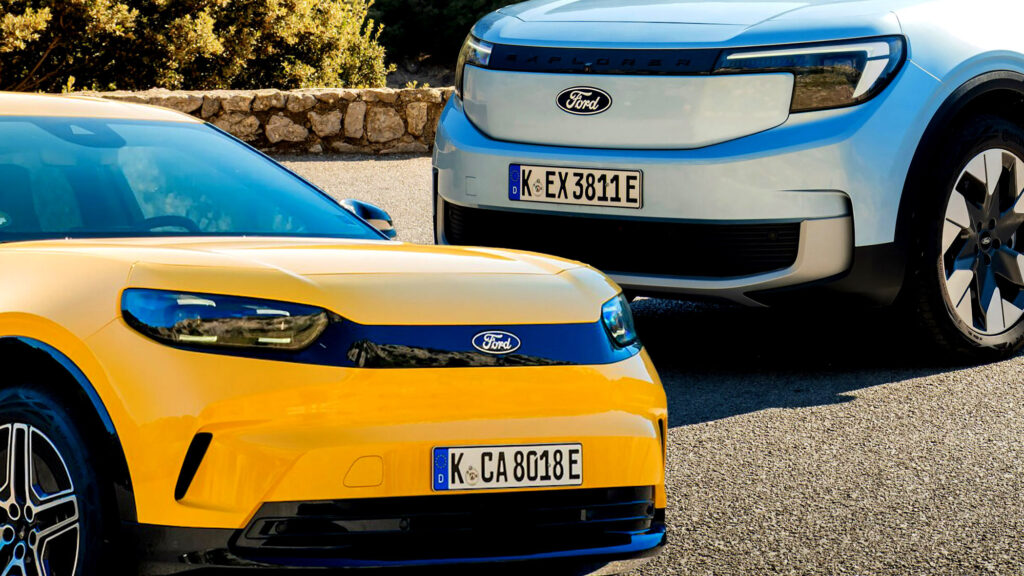
Slow demand is putting pressure on Ford’s European electric vehicle strategy, as its two newest models struggle to capture buyer attention. The Explorer and Capri have failed to meet sales expectations across the region, forcing the company to cut shifts and lay off workers at its plant in Cologne, Germany.
To revive customer interest in its Volkswagen-platform-based electric vehicles, Ford has updated the base versions, adding power and increasing range.
Key Model Updates
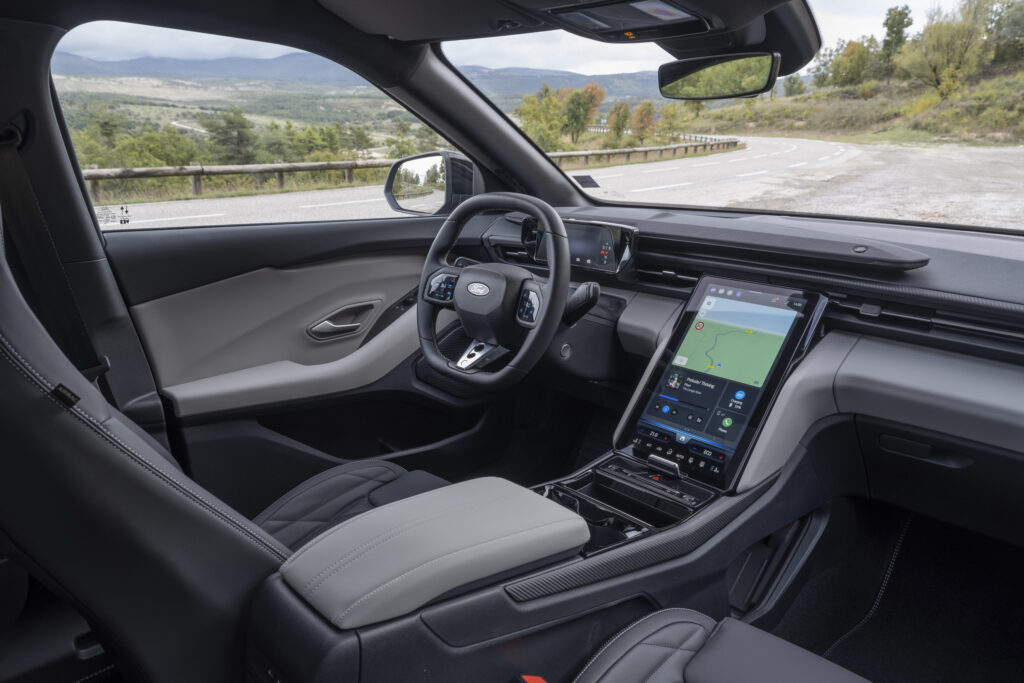
The updated 2026 Ford Explorer and Capri look the same but have received hardware upgrades. The 52 kWh battery retains the same capacity but now uses Lithium Iron Phosphate (LFP) technology, providing a greater range.
According to Ford, WLTP cycle range figures have increased by up to 70 km. Specifically, the Explorer can travel 444 km between charges, while the more aerodynamic Capri can manage 464 km.
Performance Improvements
Furthermore, the rear electric motor now delivers 187 hp and 350 Nm of torque. This is an increase of 20 hp and 40 Nm compared to the previous base models, allowing acceleration from 0 to 100 km/h in 8 seconds, which is 0.7 seconds faster.
Those suffering from “range anxiety” can opt for the all-wheel-drive extended-range version, which features a larger 77 kWh battery and a more powerful 282 hp motor, or the top all-wheel-drive version with a 79 kWh battery and dual motors with a combined output of 335 hp.
Production and Market Context
The Ford Explorer was introduced in 2023, and the Capri in 2024. Both models are produced at the Cologne Electric Vehicle Center in Germany following multi-billion euro investments to convert the historic Fiesta plant into an EV production hub.
Ford has not yet announced prices for the updated electric vehicles. In Germany, the current Explorer and Capri start at €39,900 and €42,400 respectively. The question remains whether the improved specifications will lead to increased demand.
Competitive Landscape
Meanwhile, Volkswagen is preparing to replace the ID.4 with an updated model called the ID. Tiguan, gradually phasing out the ID.5. Ford’s competitors in the segment continue to multiply: the list includes the Skoda Enyaq, Renault Scenic E-Tech, Nissan Ariya, Kia EV6, Hyundai Ioniq 5, Peugeot E-3008, Opel Grandland Electric, Citroen e-C5 Aircross, Jeep Compass Electric, and the ubiquitous Tesla Model Y.
Updating the specifications is an important step for Ford in the fight for market share; however, it is happening against the backdrop of a broader challenge for the manufacturer—low demand. The success of these models will depend not only on improved range and power figures but also on overall price competitiveness, marketing, and the company’s ability to convince buyers of the advantages of these specific models amidst a wide choice of alternatives. The situation at the Cologne plant indicates that the company will have to find a balance between its electric ambitions and market reality.