 by
by Cancellation of a Billion-Dollar Deal
Ford has terminated a multi-billion dollar deal for the supply of electric vehicle batteries with South Korean manufacturer LG Energy Solution. The value of the canceled contract is $6.5 billion. It is reported that the decision is related to market changes and decreased demand for electric cars.
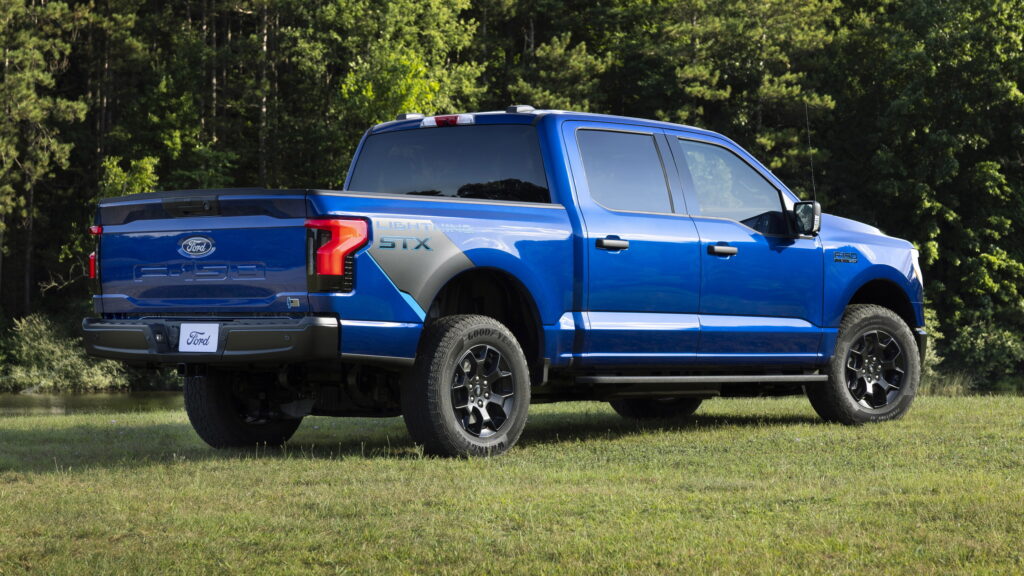
This news became known from LG’s regulatory filing in South Korea. It came almost immediately after Ford announced a sharp reduction in its electric vehicle plans, including the decision to suspend production of the fully electric F-150 Lightning pickup. For LG, the canceled deal accounted for approximately one-third of its total revenue last year.
Scale of the Collaboration
Ford and LG signed the deal in October 2024. Under its terms, LG was to supply Ford with 34 GWh of battery cells between 2026 and 2030. This volume would have been sufficient to produce about half a million electric vehicles per year, assuming each car is equipped with a 75 kWh battery.
Furthermore, LG was also to supply an additional 75 GWh of batteries for Ford’s commercial vehicles between 2027 and 2032. These batteries were to be produced at LG’s plant in Poland and then installed on vehicles intended for the European market.
This matter concerns the counterparty’s [Ford] decision to discontinue production of certain electric vehicle models due to recent policy changes and shifts in electric vehicle demand forecasts, and the subsequent notice of contract termination.

Cooling of the Electric Vehicle Market
Following Donald Trump’s return to the US presidency, the electric vehicle market has undergone significant restructuring. Demand for electric cars in the US remained high during the first nine months of the year, but sales plummeted immediately after the cancellation of the $7,500 federal tax credit.
Moreover, the Trump administration has weakened fuel economy requirements, encouraging automakers like Ford to produce more models with internal combustion engines. The European Commission has also softened its stance on zero-emission requirements, proposing, among other things, a target of a 90% reduction in CO₂ emissions for new cars by 2035, instead of a complete ban on internal combustion engines.
Ford CEO Jim Farley recently stated that he expects a 50% drop in US electric vehicle sales due to these key policy changes.
This cancellation is part of a larger trend of automakers revising their electric strategies. Just a week ago, Ford abandoned an $11.4 billion battery joint venture with another South Korean company, SK On. These steps indicate a deep transformation in the automotive industry, where companies are trying to adapt to rapidly changing political and market conditions, balancing long-term environmental goals with short-term economic realities. The future of electric mobility seems set to be shaped not only by technological breakthroughs but also by political decisions and consumer behavior.