


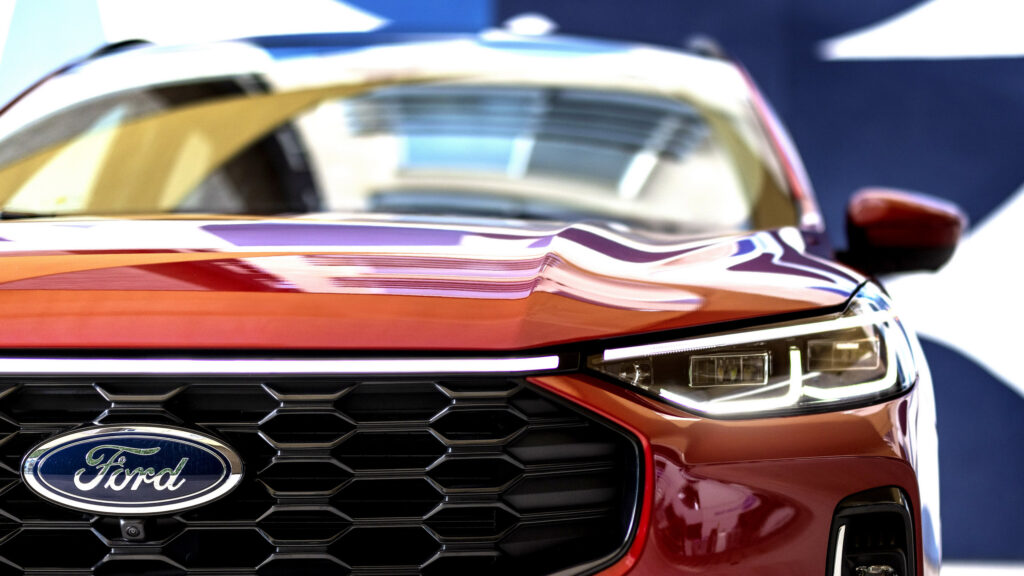
The Official End of the Ford Escape Era in the U.S.
It’s official. Ford Escape production in the U.S. has ended. The final example of the long-lived compact crossover rolled off the assembly line at the Louisville Assembly plant on December 17 without much fanfare, closing the chapter on a 25-year history that began in 2000. While Ford is now betting on the Bronco Sport and Maverick, many of its dealers view this with anxiety.
New data shows that many Ford representatives fear that discontinuing the Escape will immediately send buyers to other manufacturers.
And there is reason for this. At its peak popularity in 2017, Escape sales reached over 308,000 vehicles. By 2023, that number had fallen to approximately 141,000, rising slightly to nearly 147,000 in 2024. In the first 11 months of 2025, Ford sold 132,471 Escapes.
This is roughly on par with the 132,216 units of the Bronco Sport sold during the same period, although Ford dealers likely offered fewer discounts off the MSRP for the Bronco than for the more traditionally styled Escape.
Is Ford Leaving a Gap in Its Model Lineup?


Dealers across the country are concerned they will now lose customers due to the disappearance of the Escape. Assembly of the Escape, along with the Lincoln Corsair, has ended at Ford’s Louisville Assembly plant as the facility began a $2 billion retooling.
The site is being prepared for the production of a new mid-size fully electric pickup truck based on Ford’s universal electric platform, with launch planned for 2027. Notably, the Corsair may continue its life as a model produced in China.
Why Dealers Are Concerned


A gap in this segment is something dealers do not like.
This is our bread and butter, said Doug North, president of North Bros. in Detroit. It’s a sales hit for us, and it’s definitely part of the affordable segment we need. It attracts new buyers and gives us the opportunity to later move them up to an Explorer and keep them within the brand.
North acknowledged Ford’s logic but noted the automaker should have reconsidered the decision.
This makes it harder to bring people into our brand. I wish they would rethink this, he added.
The Risk of Abandoning Affordability


Other dealers shared the concern, pointing out that the Escape played a crucial role in attracting first-time buyers, especially in the context of constantly rising car prices.
The main thing we insisted on in the dealer council was affordability, and in my opinion, this is a step in the wrong direction, said Nick Anderson, general manager of Chuck Anderson Ford in Excelsior Springs, Missouri. Getting rid of the Escape is a huge mistake.
Nathan Mekley, general manager of Downtown Ford of Sacramento, was even more direct:
If you lose that entry-level buyer, you lose a whole generation of buyers. They will go to someone else and then stay with that brand.
Of course, Ford itself does not think so. The company not only has faith in the Bronco Sport and Maverick but is also developing five new “affordable” models, which are apparently set to be introduced by 2030. For now, dealers will have to sell what Ford makes.


The shift to electric and more specialized models like the Bronco Sport is part of Ford’s global strategy. However, as the dealers’ reaction shows, abruptly discontinuing a bestseller without a direct and affordable replacement in the same segment creates operational risk. The dealer network, which for decades built its customer base on models like the Escape, finds itself in a situation where it is being asked to sell more niche and possibly more expensive cars to the same buyers who were primarily seeking affordability and practicality. The success of the announced plans for new affordable models will now critically depend on how quickly Ford can implement them and whether they can fully fill the void that has been created.