


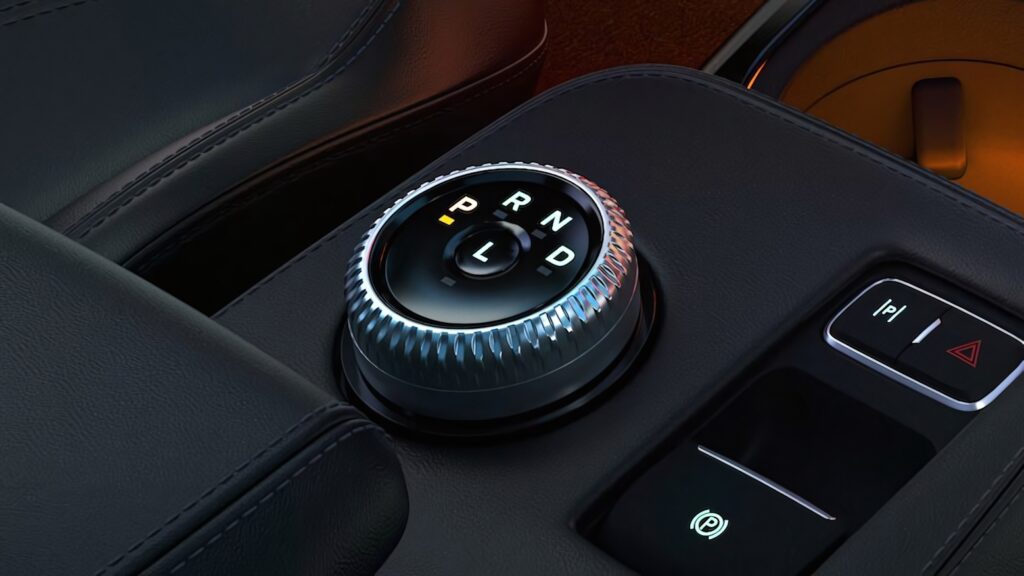
Large-Scale Ford Vehicle Recall
Ford has announced a recall of over 272,000 vehicles due to a potential malfunction in the parking system. This campaign concerns electric and hybrid models, specifically the F-150 Lightning pickups, Mustang Mach-E crossovers, and hybrid Mavericks.
The Nature and Origin of the Problem
The issue lies in the Integrated Parking Module (IPM), which may not properly engage the parking pawl when the driver selects park mode. This creates a serious risk of the vehicle rolling away on its own. Engineers have determined that the cause is a binding condition between the pawl and the module slider, caused by friction variations due to manufacturing processes and tight material tolerances.
Although the malfunction may not be constant, drivers may notice warning signs. These include: a malfunctioning “P” indicator on the instrument panel, a wrench-shaped warning light, and a transmission system error message.
Composition of Recalled Vehicles and Planned Solution
The total number of affected vehicles is distributed as follows:
Ford estimates that only about 1% of the recalled vehicles may actually have this defect. Fortunately, the company reports no accidents or injuries related to this issue.
The fix will be implemented in the form of a free software update. It can be delivered “over the air” (wirelessly) or installed by an official dealer. The update targets the secondary on-board diagnostic module C and will allow the system to automatically clear any binding in the parking mechanism should it occur.
Second Recall: Axle Issue for Super Duty
Separately, Ford has also announced a second recall, concerning nearly 7,000 heavy-duty pickups. Specifically, 6,819 model year 2026 Super Duty pickups may have problematic axle shafts capable of breaking under load.
All affected vehicles are equipped with a single 10.5-inch rear axle. After receiving the necessary parts, Ford will replace these axles free of charge as part of the recall.
These events occur against a backdrop of a record number of recalls from Ford this year, which have already affected millions of vehicles. Although most cases require only a software fix, the scale of these campaigns points to ongoing challenges related to the complexity of modern vehicles, especially electrified ones. The manufacturer’s rapid response and the availability of solutions, particularly wireless updates, demonstrate how digital technologies are changing approaches to service and safety in the automotive industry.