


Planned Hearing and Farley’s Refusal
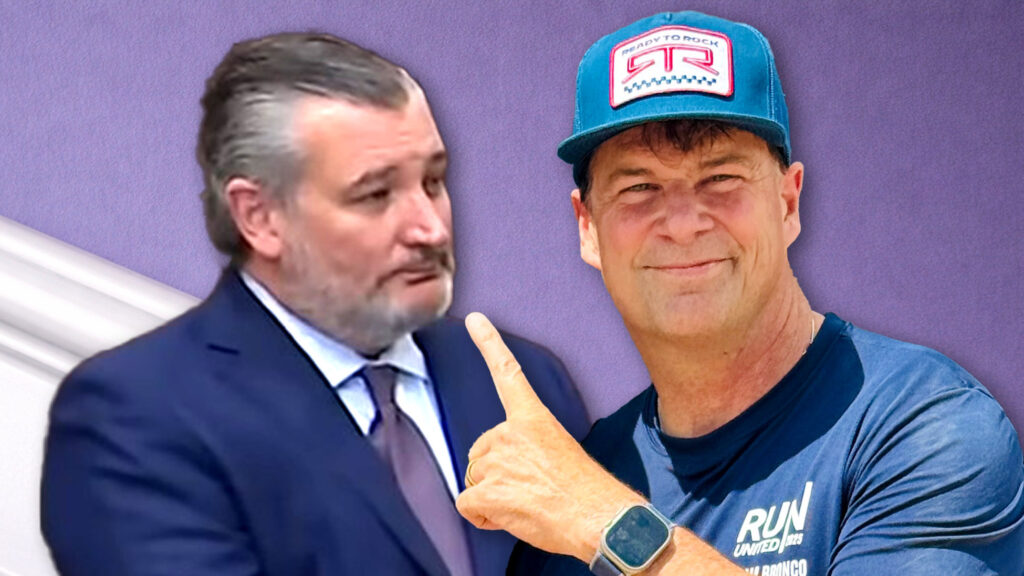
Senator Ted Cruz planned a high-profile hearing on car prices, inviting the leaders of Ford, General Motors, Stellantis, and Tesla to Capitol Hill. However, when Ford CEO Jim Farley declined the invitation, it provoked a sharp reaction. Cruz immediately accused him of avoiding accountability out of fear. Farley himself did not seem concerned by this.
Initially, Farley was to testify alongside Mary Barra from GM, Stellantis CEO Carlos Tavares, and Tesla’s chief engineer. However, as he already had the Detroit auto show in his calendar, and because Ford was hosting former President Donald Trump at one of its plants that same week, Farley declined to participate. The hearing was postponed.
Reasons for Ford’s Refusal
In a letter to the committee back in December of last year, Farley’s lawyer cited a scheduling conflict, noting that the Detroit auto show begins on January 14. The letter also expressed concerns about the composition of participants, arguing that summoning the CEOs of the “Big Three” was unfair, while Tesla sent its Vice President of Automotive Lars Moravy, not Elon Musk.
It is important to note that Farley was not the only executive to express concern. Mary Barra of GM also showed hesitation, reporting that she had asked why the hearing should feature top managers of the “Big Three” but not Musk.
Senator Cruz’s Accusations
In an interview with Politico on January 6, Senator Ted Cruz accused Jim Farley of being “terrified to testify.” Cruz did not leave it at that. Immediately after the accusations of fear, he moved on to Ford’s financial performance. The company recently announced a $19.5 billion write-down related to canceled electric vehicle projects, including the Ford Lightning.
I don’t know if he was afraid of the fact that he lost $19 billion for Ford shareholders on the fraudulent Ford Lightning, or if he was ashamed of trying to cheat American taxpayers out of hundreds of millions of dollars by manipulating the expiration of the electric vehicle tax credit
— stated Cruz.
Jim Farley’s Response
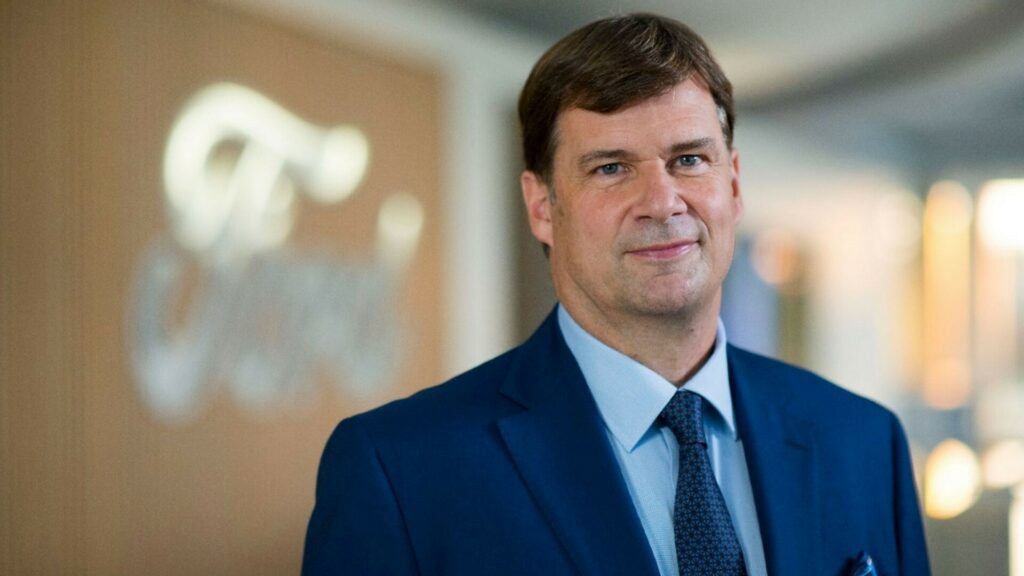

Speaking to journalists at the Detroit auto show this week, Farley gave a restrained response, stating that his priorities lie elsewhere.
Frankly, I run an auto company, and that’s my priority. All I can say is we’re a little busy here in Detroit this week. We had the President of the United States today, we have the Detroit auto show and the launch of our Formula 1 team. It was not the time to be in Washington when we have so much going on in Detroit
— he said, according to Bloomberg.
Future Hearing and Tesla’s Position

It is unclear whether Cruz plans to reschedule the hearing. He did not rule out the possibility of issuing a subpoena to compel Farley’s appearance. As for Elon Musk, Cruz stated that his absence was intentional. According to him, inviting Musk could have led to a conflict with Democrats on the committee.
This situation highlights the complex dynamics between the government and big business, especially in the context of the transition to electric vehicles and public pressure regarding vehicle affordability. The refusal of auto company executives to participate in public hearings is often viewed by politicians as an attempt to avoid uncomfortable questions, while the businesspeople themselves cite operational activities and other commitments. Ford’s EV financial results, which drew criticism, are an example of the broader challenges facing traditional automakers in the era of electrification, where new players have taken the lead. The question of who and in what format should answer to lawmakers for companies’ strategic decisions that impact the economy and consumers remains open.