


Ford Uses Artificial Intelligence to Revive Historical Photos
The Ford company has found an interesting application for artificial intelligence, using it to work with its own archive. Instead of just developing new models, the brand decided to revive the past, specifically, a collection of over 350,000 design negatives stored in a special vault.
Color Experiment
The Ford Heritage Vault archive contains many black-and-white photographs documenting the vehicle creation process from the mid-1950s. As part of an experiment, engineers decided not just to colorize them, but to apply a modern palette of corporate colors to classic models. For example, a clay model of the 1963 Mustang sedan received the bright Intense Lime Yellow Metallic shade.
Results of the Creative Process
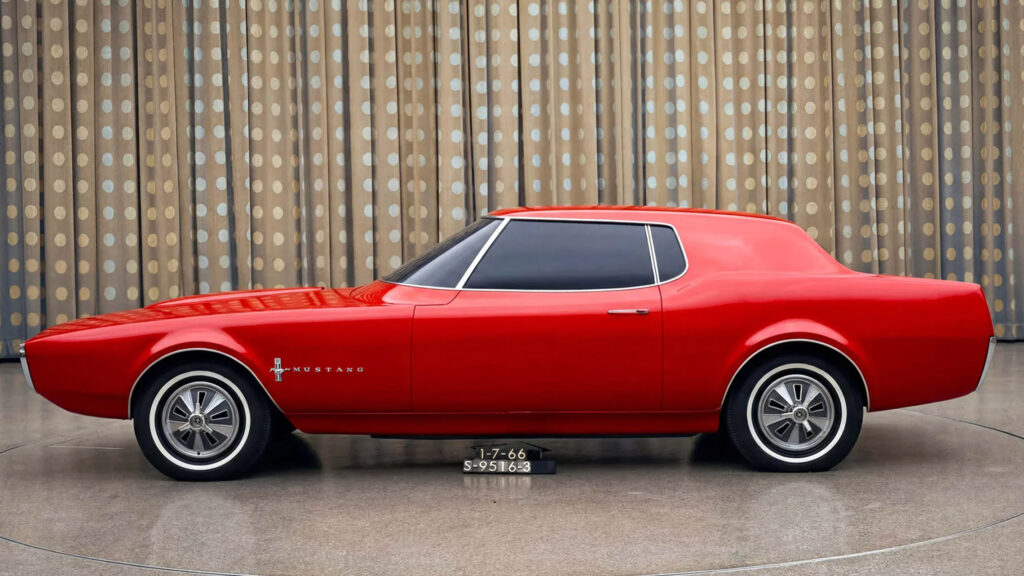
In addition, color versions of other historical cars were presented: a 1966 Mustang Fastback in Grabber Blue Metallic and a concept car from the same year in Race Red. Even the originally white Mustang I concept changed its color to Orange Fury Metallic. Although this is just a creative experiment, it demonstrates the great potential of the technology for historical research.
These negatives are stored in a climate-controlled vault and “show the design process, from start to finish, of all our vehicles, from the mid-1950s to the early 21st century.”
Potential for the Future
Despite Ford positioning this as a game, many enthusiasts believe this approach has promise. The ideal would be to use AI to recreate authentic historical colors, not modern ones. This would allow for an accurate reproduction of how the cars and concepts were actually supposed to look, which would be a valuable contribution to preserving automotive heritage.
Similar technologies open up new opportunities not only for marketing but also for education and historical restoration. They allow new generations to see legendary models in quality close to the original, even if the physical artifacts of time have lost their colors. This is especially relevant for the Ukrainian audience, which is interested in world automotive history, as it allows for a more detailed study of the stages of design development.