


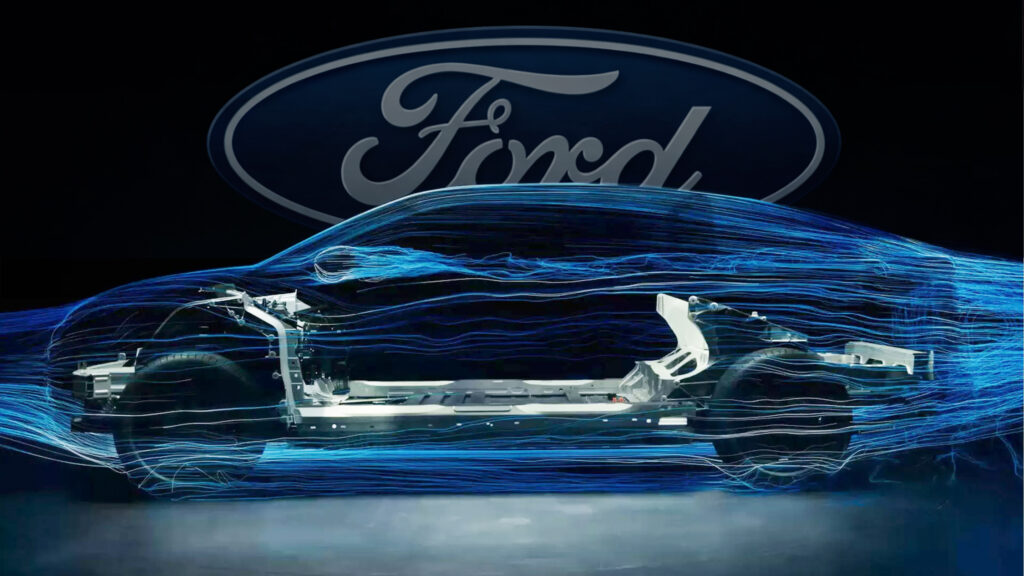
Ford Implements a Revolutionary Approach to Car Manufacturing
Ford is implementing an innovative car manufacturing method that could significantly simplify the post-accident repair process. Instead of using hundreds of small parts, the automaker plans to use massive aluminum castings, similar to the Gigacasting technology that Tesla has been using for several years.
The company’s leadership calls this transition one of the most significant shifts in manufacturing approach in recent decades. The main goals are to reduce both the cost of the vehicles themselves and the expenses for their restoration after damage.
New Electric Pickup Design
The first vehicle to receive the new technology will be the upcoming Ford electric pickup. Its design will replace numerous small structural elements with just two massive modules: one at the front, one at the rear. This pickup is expected to have a starting price of around $30,000, making it a more affordable option for entering the electric vehicle market.
Early focus on repairability in the development process actually becomes an advantage.
Benefits for Repair and Insurance
Research conducted by Thatcham in the UK shows that vehicles with large cast sections can sometimes be repaired more cheaply than traditionally built cars. In low-speed collisions, the main structural elements may sustain minimal or no damage at all.
Ford engineers specifically designed these cast sections with subsequent repair in mind. The design includes clearly defined cut zones that indicate to technicians exactly where damaged areas can be separated and replaced. Some components act as “buffers” that absorb impact energy in minor accidents, protecting the main cast sections.

Lessons from Competitors and Future Challenges
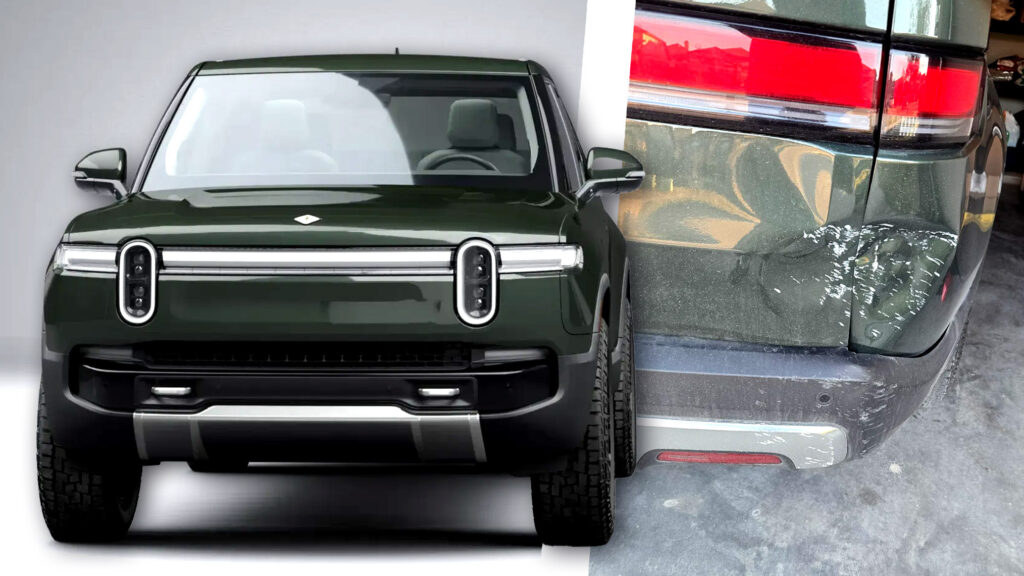
The experience of Rivian vehicle owners has shown how relatively minor damage can lead to astronomical repair bills due to the complex construction of aluminum panels and integrated components. Ford is trying to avoid similar problems by simplifying the design and making the repair process more predictable.
Of course, the new approach also has its challenges. In some cases, replacing large sections may still be necessary, which will be expensive. Furthermore, auto repair shops will require special training and equipment to work with the new designs.
Advantage of an Existing Service Network
However, Ford has a significant advantage compared to Tesla in the initial stage: a huge network of dealers and service centers that can be trained to work with the new technologies from the very beginning. This scale can help overcome one of the key problems faced by other manufacturers, where a limited number of certified repair centers slowed the spread of the technology and complicated repairs.
This transition to large-scale casting reflects a broader trend in the automotive industry, where manufacturing and operational efficiency are beginning to outweigh traditional approaches. The success of this strategy will depend not only on the technical characteristics of the vehicles but also on how well companies manage to integrate new repair methods into the existing service infrastructure. For consumers, this could mean more predictable vehicle maintenance costs, which is a particularly important factor when switching to electric models.