



A Shift in Ford’s Electric Vehicle Strategy
The last decade has radically changed the automotive industry, and this transitional period is not yet over. Ford CEO Jim Farley notes that these shifts have partially led to the company’s mistakes, particularly regarding the F-150 Lightning electric pickup.
Now, as the brand focuses on developing a version of the pickup with a significantly increased range, Farley reveals details of how the first Lightning model quickly gained popularity but then just as quickly lost momentum.
After billion-dollar losses on first-generation electric vehicles, Ford canceled the development of the next-generation electric pickup, halted work on several three-row electric crossovers, and stopped the next-generation van project. According to Farley, all these decisions were a consequence of initially misreading the market.
Admitting Mistakes and the Impact of the Pandemic
In a recent interview, Jim Farley confessed regarding the F-150 Lightning:
I would definitely have done it differently. We didn’t know what we didn’t know… COVID was a completely false signal. After COVID and during the resulting chip crisis, demand for all vehicles was extremely high. If you could build a car, you sold it for prices 30 or 40 percent higher than before the pandemic.
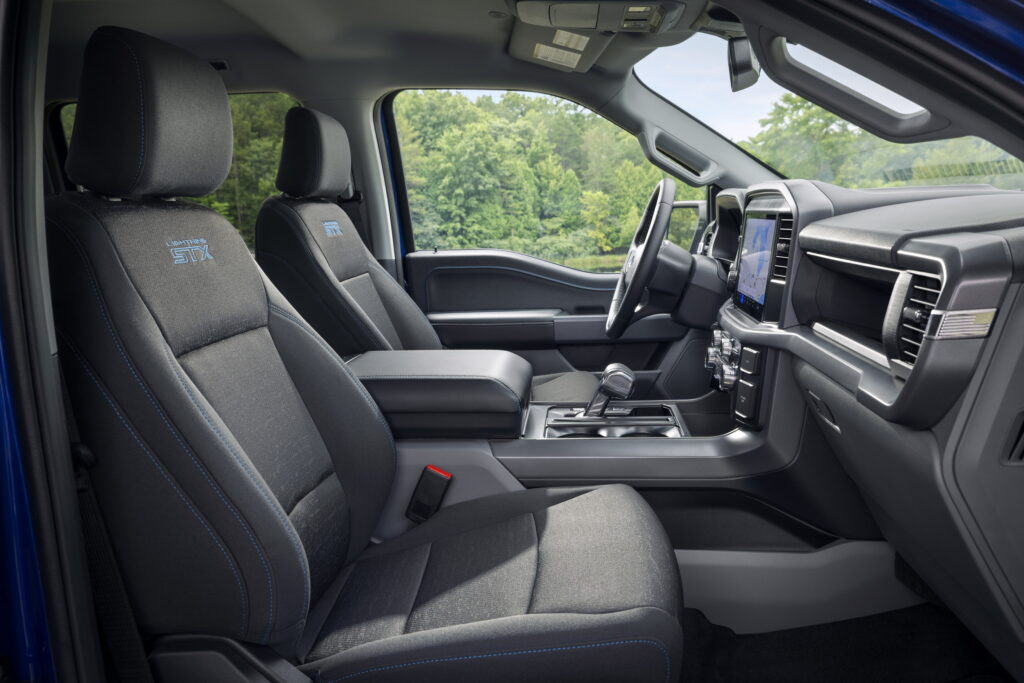

Despite the large profit, production costs turned out to be too high to remain stable. Farley notes that the company’s bias in favor of internal combustion engines was so high that the electric models were not optimally designed. Customers liked the Mustang Mach-E, E-Transit, and Lightning, but they were not ready to pay the cost price that the company had set.
The Influence of Tesla and New Approaches
As it turned out, Tesla played a key role in Ford’s rethinking of approaches. Farley said that after disassembling a Tesla car together with Doug Field (Ford’s head of electric vehicles, digital technology, and design), he was absolutely impressed.
The Mach-E’s wiring harness was 70 pounds heavier and 1.6 kilometers longer. We didn’t understand what was going on in the minds of Tesla engineers. But now we understand. They had no biases. We had them. We would go to our supplier and say, ‘Buy another wiring set.’ [Tesla] would say, ‘Let’s design the car around the smallest and lightest battery.’ It’s a completely different approach.
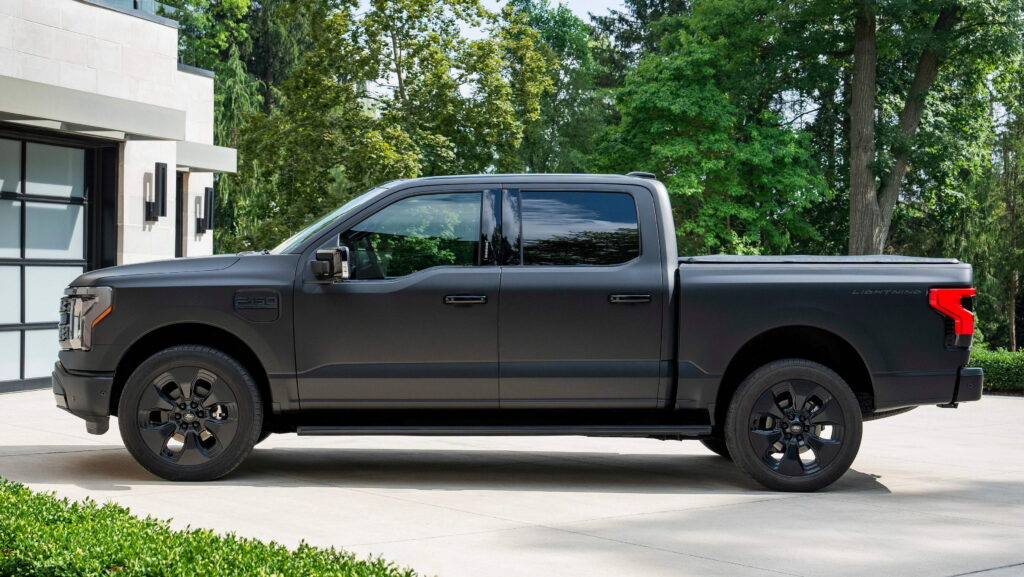

This change in mindset likely influenced Ford’s decision to switch to a 48-volt architecture for the future electric pickup. It is known that Tesla even sent Ford and other competitors a manual on how to build such a car. This not only helps save on materials but also makes the final product lighter, which should positively impact the range.
Looking to the Future
While the first-generation Lightning may be something Ford would like to redo, it is clear that the brand is entering its second generation with a completely new vision. The main priorities of the new strategy are cost control and practicality for the mass consumer. The F-150 Lightning is expected to return to the market in an extended-range version that could reach 700 miles.
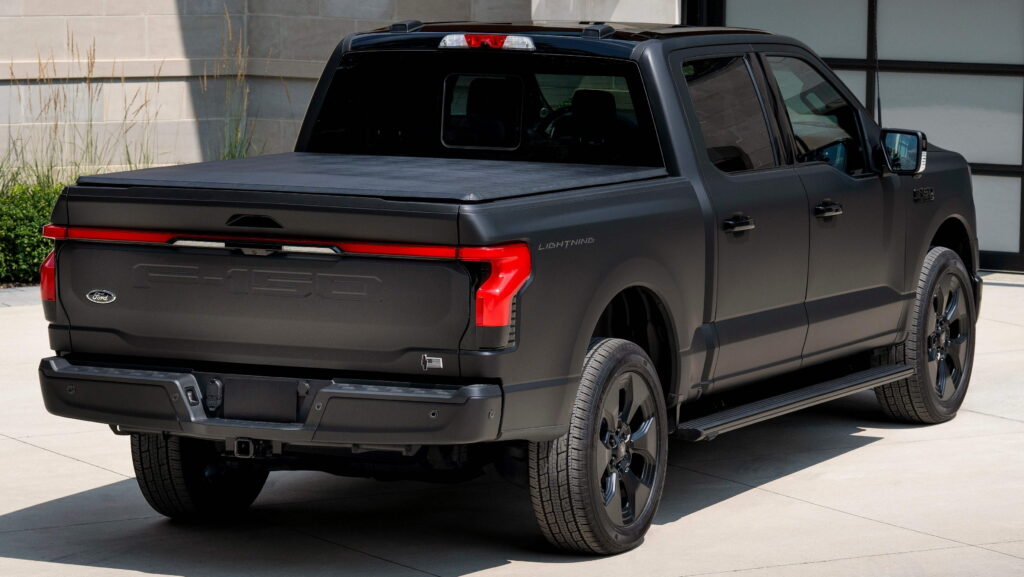
This relaunch is taking place against the backdrop of a general review of the electric strategy by many automakers facing changes in demand after the initial excitement. Ford’s experience shows that the transition to electric vehicles is not only a technological change but also a deep transformation of corporate culture and engineering thinking. The success of future models will depend on the company’s ability to shed the “biases” of the past era and create products optimized for the new economic reality, where efficiency and cost become decisive factors in a maturing market.