 by
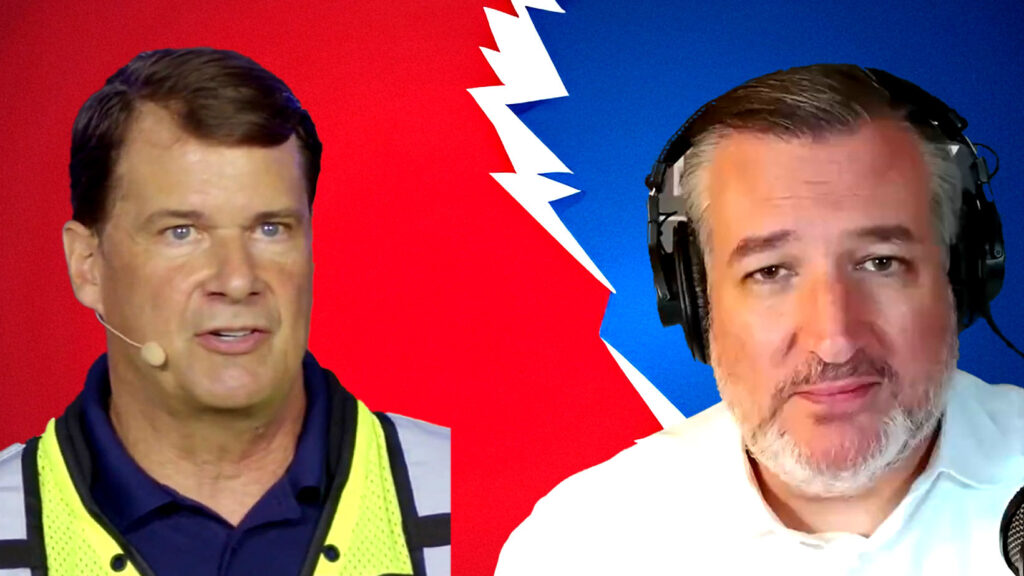
by Senator Ted Cruz Summons Auto Giant Executives to Hearings on Vehicle Affordability
U.S. Senator Ted Cruz has invited the CEOs of three major American automakers, the so-called “Big Three,” to testify at congressional hearings. The purpose of these hearings, scheduled for January 14, is to discuss the issue of vehicle affordability for Americans. However, this initiative has met with resistance, particularly from Ford.
Why Automakers Might Boycott the Hearings
There are two key reasons for a potential boycott. First, the hearing date coincides with Detroit Auto Show week, which is an extremely important event for the industry. Second, Senator Cruz invited not Tesla CEO Elon Musk, but the company’s Vice President of Engineering, Lars Moravy, to the hearing. This has raised concerns about unequal treatment. Ford has already indicated it may skip the hearing, and General Motors and Stellantis are likely to follow suit.
Historical Context and Significance of the Event
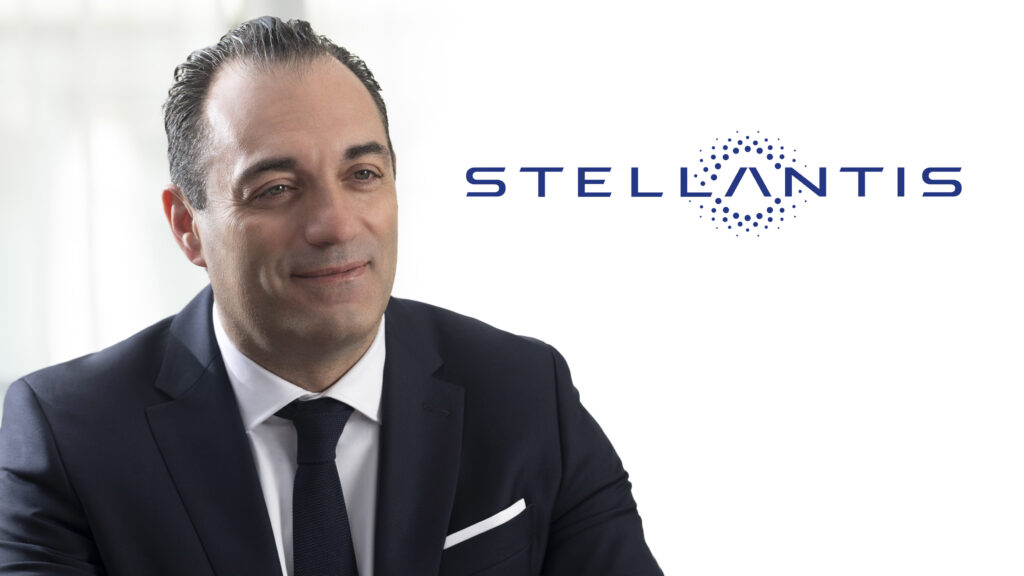
Invitations were received by Jim Farley (Ford), Mary Barra (GM), and Antonio Filosa (Stellantis). If they all appear, it will be the first time since 2008 that all CEOs of the “Big Three” will testify before Congress simultaneously. The official topic of the hearings is “The American Auto Industry’s Perspective on the Future Reauthorization of Surface Transportation.” Senator Cruz frames them as a referendum on rising car prices and the regulatory burden on manufacturers.
Ford’s Position on Unequal Conditions
Ford has expressed a clear protest. In a December 12 letter written by the company’s lawyer, it is noted that while hiring outside counsel for hearings is common practice, the structure of the invitations raises questions. The letter emphasizes the importance of ensuring equal treatment for companies in similar positions.
Ford believes that any potential hearings should adhere to the long-standing Congressional tradition of ensuring comparable treatment for similar companies. If a Vice President of Engineering is an acceptable witness for the planned hearings, other companies should have the opportunity to offer a comparable witness.

Reaction of Other Manufacturers and Cruz’s Persistence
General Motors’ position is similar: it is reported that Mary Barra will attend the hearing only if other Detroit executives do as well. Stellantis has so far refrained from commenting on its CEO’s participation. A spokesperson for Senator Cruz stated that plans for the hearing have not changed, and all four invited executives are expected to be present.

Implications of the Conflict for the Industry
This dispute highlights deeper tensions between traditional automakers, regulators, and new market entrants like Tesla. Regulatory issues, especially concerning environmental standards and the transition to electric vehicles, are extremely relevant. The conflict also demonstrates how logistical factors, such as the dates of key industry events, can influence political dialogue. The outcome of this confrontation could set the tone for future discussions between the government and the U.S. automotive industry, which is undergoing a period of significant transformation. The terms of each CEO’s participation could set a precedent for similar events in the future.
The situation remains dynamic, and the approaching hearing date is likely to provoke new statements from all sides. Ford’s position, which directly points to inequality in the invitations, creates significant pressure on the organizers. Regardless of whether the hearing proceeds in its planned format, it has already become a catalyst for discussing the priorities of the automotive industry and its relationship with the federal government during a period of technological change.