


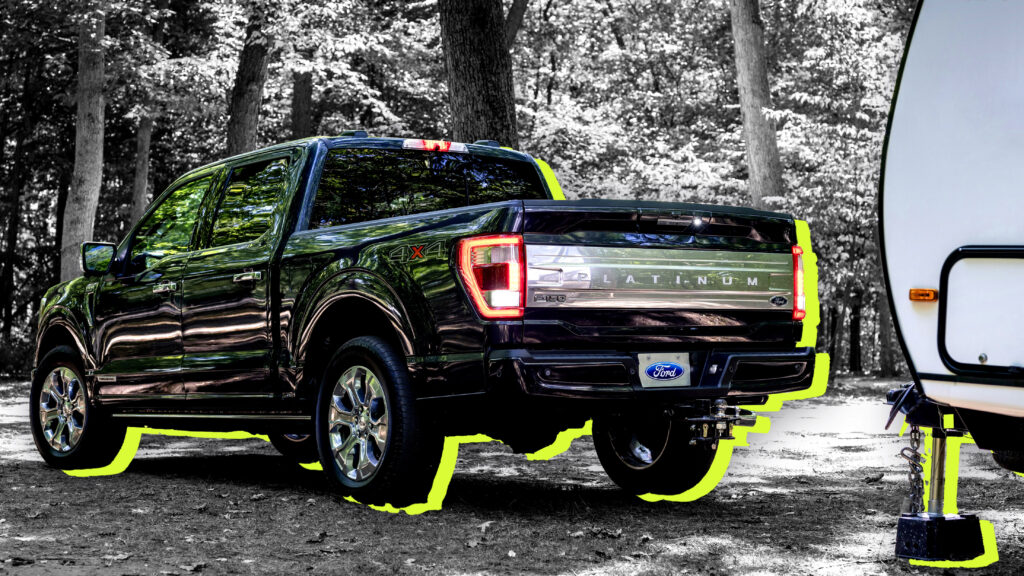
Massive Recall
Automaker Ford has announced an exceptionally large-scale recall affecting 4,380,609 vehicles. This figure is staggering, especially considering that the company sold 2,204,124 cars in the US throughout the entire last year. For comparison, only F-Series models sold 828,832 units in 2025.
Which Models Are Involved
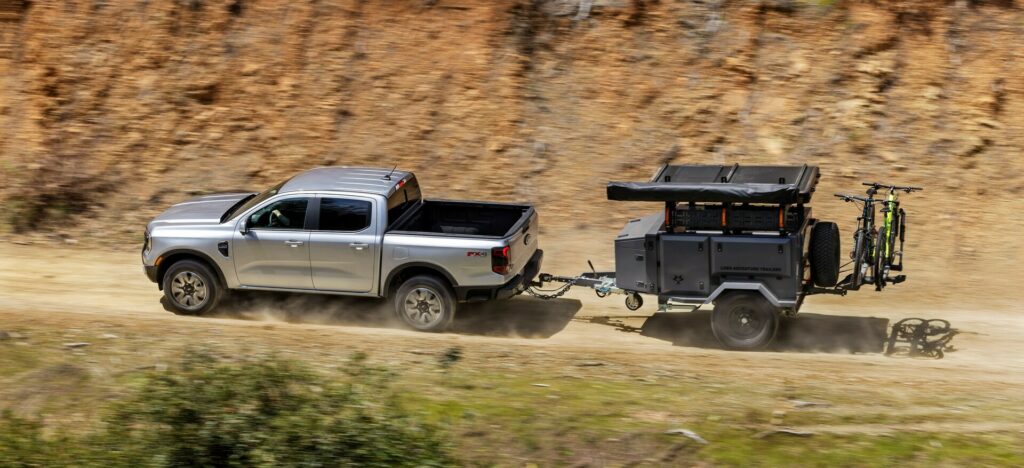
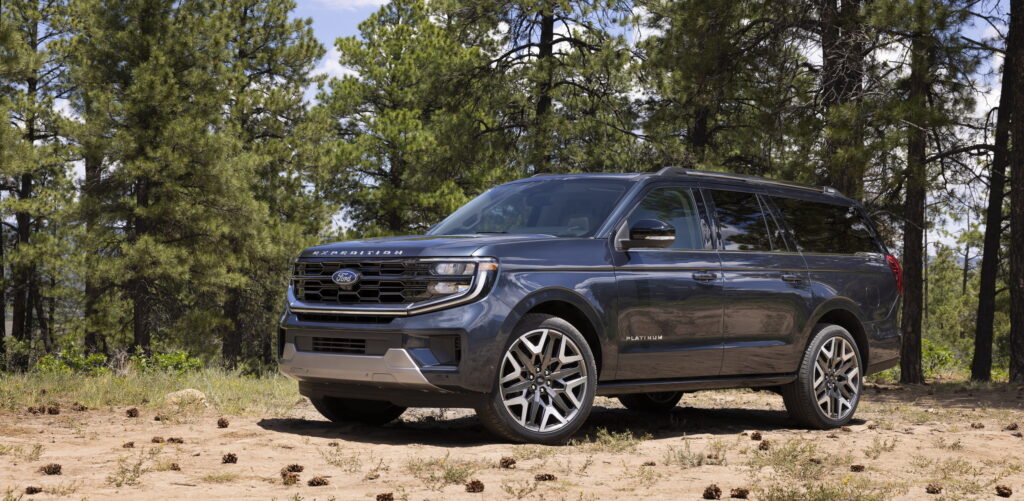
The list of recalled models includes the 2026 E-Transit electric van, the full-size Expedition SUV from model years 2022-2026, the F-150 pickup from 2021-2026, as well as the heavy-duty F-250 pickup from 2022-2026. They are joined by the compact Maverick pickup (2022-2026), the mid-size Ranger pickup (2024-2026), and the luxury Lincoln Navigator SUV (2022-2026).
According to regulators, the integrated trailer module may lose communication with the vehicle. If such a malfunction occurs, the trailer may lose braking capability, as well as turn signal and brake light functionality. Because of this, the specified models do not comply with federal safety standards.
Software Glitch During Startup
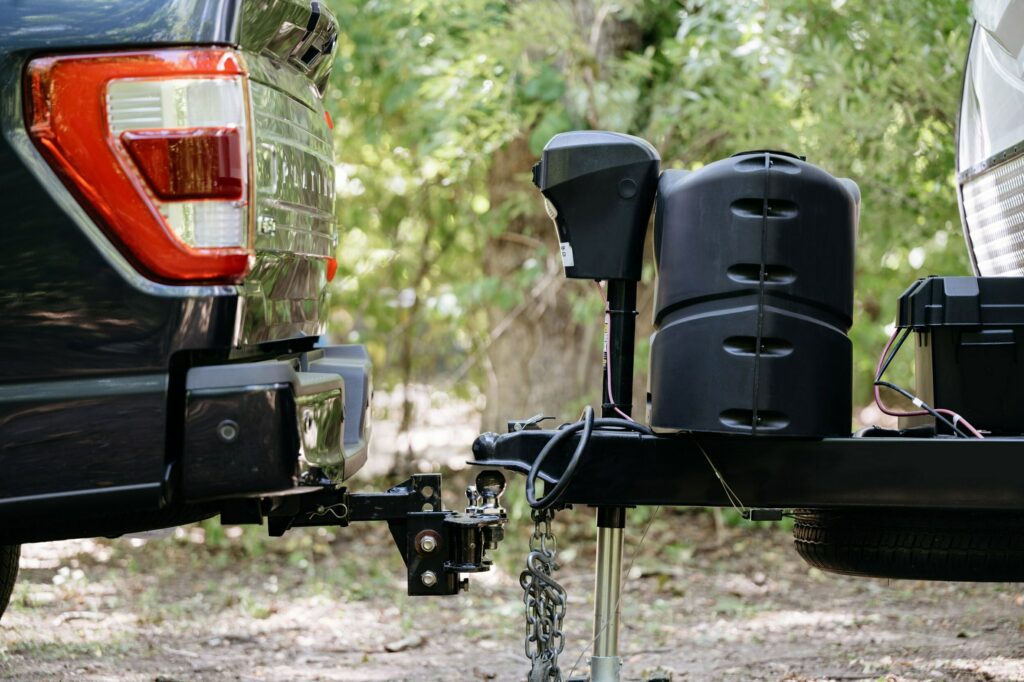

Ford first learned about the problem in October of last year, when it was discovered that “a software bug can randomly occur in the control logic of the integrated trailer module, leading to the module losing communication with the vehicle.” Initially, the automaker did not consider this critical, as the problem occurs during the engine startup phase, and a warning message appears on the instrument panel.
The National Highway Traffic Safety Administration disagreed with this assessment, emphasizing the “criticality of trailer lighting” and the fact that the vehicles may violate federal safety standards.
Under pressure from the regulator, the company was forced to concede and decided to conduct a recall.
Rare “Race Condition” Malfunction

This situation does not improve Ford’s image, which, however, has become a fairly common occurrence lately. The automaker reports over 400 warranty claims related to this issue.
The cause is cited as a software vulnerability that allows for a so-called “race condition” to occur between the integrated trailer module and the CAN bus control bit. If this happens, the module will be powered on but will be unable to communicate with the vehicle.
Software Update

It is believed that only 1% of the recalled vehicles have this defect, but that still amounts to 43,806 units. To fix the problem, Ford will update the software of the integrated trailer module. This can be done at dealerships or via an over-the-air wireless update.
This recall once again highlights how critical the reliability of software code has become for modern vehicles, especially in systems responsible for safety. The scale of the problem, even if the defect affects a small percentage of cars, demonstrates the complexity of quality control in mass production. The incident also shows the importance of active oversight by regulatory agencies, which can force manufacturers to take action even when they initially consider the risk minimal. For owners of the affected models, obtaining the update as soon as possible is key, as even a potential malfunction of the trailer’s lighting and braking system poses a serious threat to road safety.