 by
by Ford and Renault Collaboration in Electric Vehicle Creation
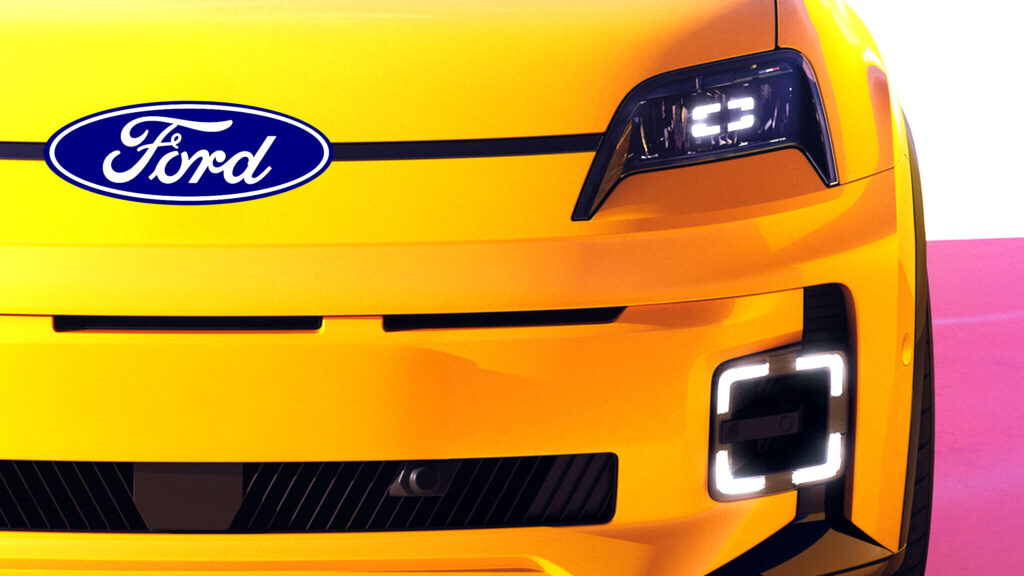
Companies Ford and Renault have announced a new strategic partnership agreement. Its goal is to develop at least two new electric vehicles for the European market. These models will be built on the Renault Ampr electric platform, which is already used in models such as the Renault 4 and Renault 5.
The main details of the agreement include the following:
A New Chapter for the Ford Fiesta
One of Ford’s future electric models is seen as the spiritual successor to the legendary Fiesta, production of which was discontinued in 2023. This gives Ford an opportunity to return to the European affordable compact car market, which the company had effectively left.
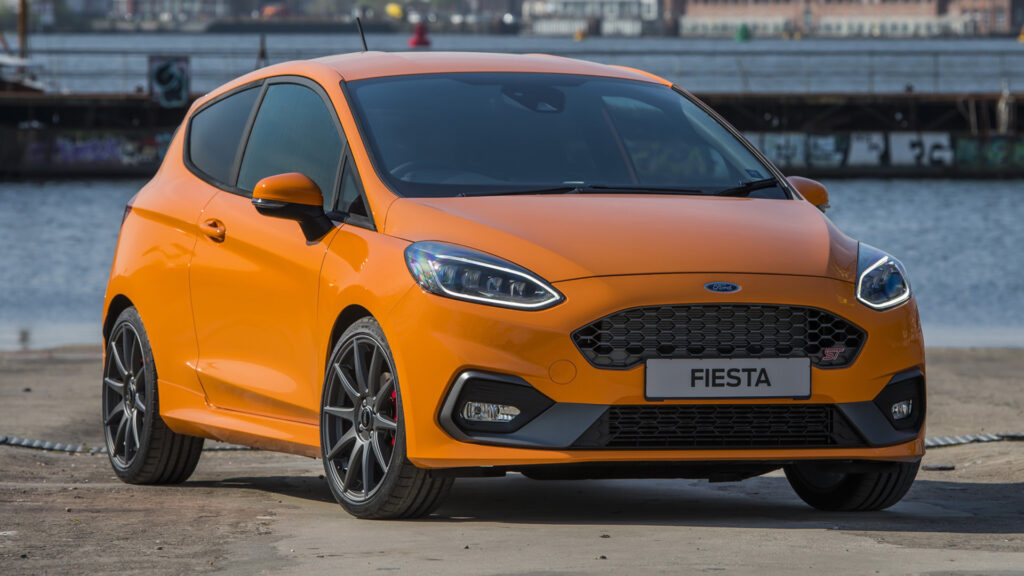
Ford emphasizes that this will not be a simple rebranding or “badge engineering,” akin to the new Nissan Micra, which is essentially a rebadged Renault 5. Instead, they promise full-fledged Ford-branded cars with their own design, interiors, and chassis tuning, which should meet the expectations of the brand’s enthusiasts regarding handling.
The technical underpinnings, however, will be shared with Renault. They are expected to be front-wheel-drive electric vehicles with motors producing 121 hp in standard versions and 215 hp in a potential sport version, similar to the Fiesta ST. Battery options of 40 kWh and 52 kWh are likely.
Strategic Importance for Ford in Europe
This partnership is critical for Ford in the European market. After discontinuing the Fiesta and Focus models, and with not very high sales of the electric Explorers and Capris, the brand’s market share has significantly decreased.

Timing is of the essence for Ford. The new lineup of compact electric vehicles could be exactly what the brand needs to regain relevance.
An electric car the size of the Fiesta, with a price potentially approaching the expected 25,000 euros for the Renault 5, seems a logical step to attract the mass buyer. Furthermore, the partners have also agreed to explore opportunities for the joint development of new light commercial vehicles, expanding the horizons of cooperation.
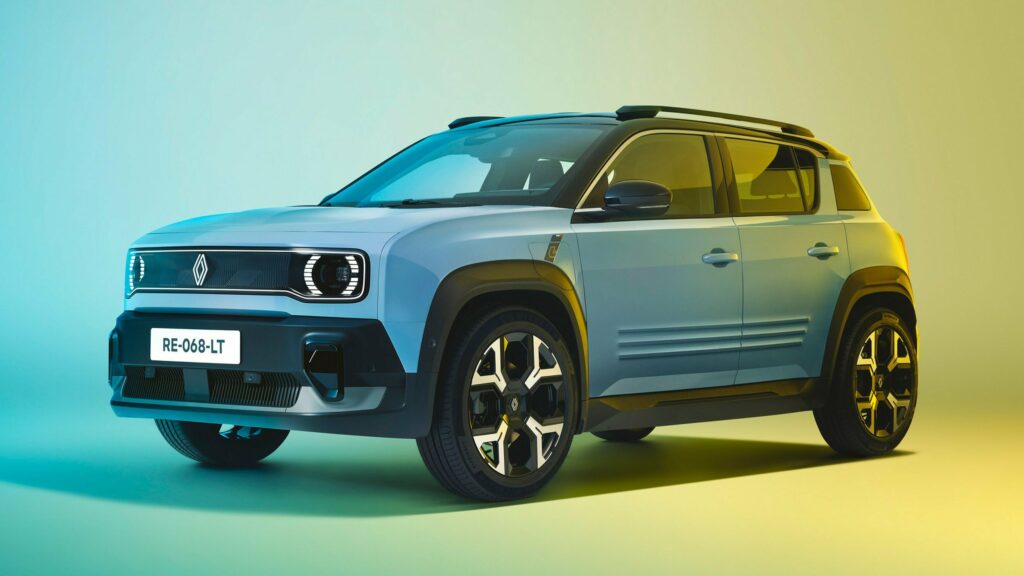
This deal illustrates a broader trend in the automotive industry, where even giants like Ford are turning to partnerships to overcome the high costs of developing electric platforms. The choice of Renault specifically, rather than continuing collaboration with the Volkswagen Group, indicates that the Ampr EV platform is considered optimal for creating affordable compact electric vehicles. The success of this project could determine the future of Ford’s presence in the European compact car segment, which is rapidly transitioning to electric power. For consumers, this could mean the emergence of more interesting options on the market, combining French technical foundations with American design and tuning.