 by
by Return of a Legend
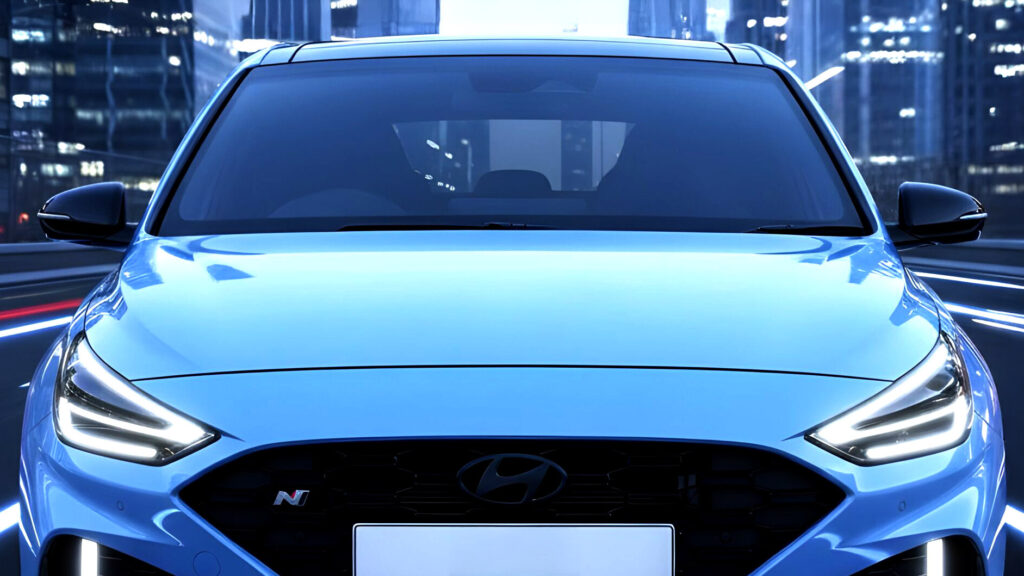
As Mark Twain once said, “The reports of my death are greatly exaggerated.” This phrase fits the situation with the Hyundai i30 N well, as the brand’s high-performance division is reportedly preparing a new version that could mark the model’s return to Europe. While most competitors are abandoning internal combustion engines, Hyundai N seems intent on keeping a gasoline engine under the hood, even if it gets hybrid assistance.
First introduced in 2017 and updated in 2020, the i30 N was Hyundai’s first true “hot hatch.” However, in 2024, the company announced it was discontinuing sales of N models with ICE in Europe to focus on high-performance electric vehicles. Despite this, the i30 N quietly continued to live on in markets like Australia and New Zealand, receiving minor updates to remain competitive.
Work on a New “Hot Hatch”
According to Autocar, development of the updated i30 N is already underway. Hyundai is not revealing exact powertrain details, but a company representative confirmed its goals.
Hyundai is committed to introducing seven new N models by 2030, and plans include exploring a wide range of powertrains such as internal combustion engines, hybrid, and electric vehicles. Future products will be announced later as part of our ongoing efforts to implement product strategies that align with our customers’ lifestyles and government regulations.

Chun Pak, who heads the N division, also clarified that future sports models will not be limited to electric propulsion only. Instead, the sub-brand will mirror Hyundai’s broader strategy by offering a mix of powertrain technologies in its lineup.
The Key Role of Hybrid
These comments point to a hybrid solution for the future i30 N, possibly one that could also be used in the next-generation i20 N, which is officially under development. Both models are expected to abandon the manual transmission, favoring robotic dual-clutch gearboxes.
Possible options under the hood include an upgraded 1.5-liter turbo engine with a more powerful hybrid system or a completely new powertrain developed from scratch. Another contender is a new “rotary and high-performance” engine currently being tested in a mid-engined prototype based on the discontinued Veloster.
Whichever path they choose, it is unlikely that the current turbocharged 2.0-liter engine producing 276 hp will remain. Compliance with increasingly stringent European emissions standards would likely require too many compromises.
Will There Be Another Facelift?
The third generation of the i30 has existed since late 2016. After a significant update in 2020 and a more modest refresh in 2024, camouflaged prototypes spotted in Europe suggest Hyundai is planning a third facelift to once again extend the model’s life cycle.

The updated i30 range is expected to appear in late 2026 or 2027. It could debut simultaneously with the return of the high-performance N-badged version, if development goes according to plan.
Since the Ford Focus ST and Honda Civic Type R are no longer sold in Europe, the choice of gasoline-powered “hot hatches” is shrinking. This makes the Volkswagen Golf GTI and the upcoming Toyota GR Corolla the closest competitors to the i30 N. In the broader compact segment, the standard i30 continues to compete with heavyweights like the Volkswagen Golf, Opel Astra, Peugeot 308, and Toyota Corolla.
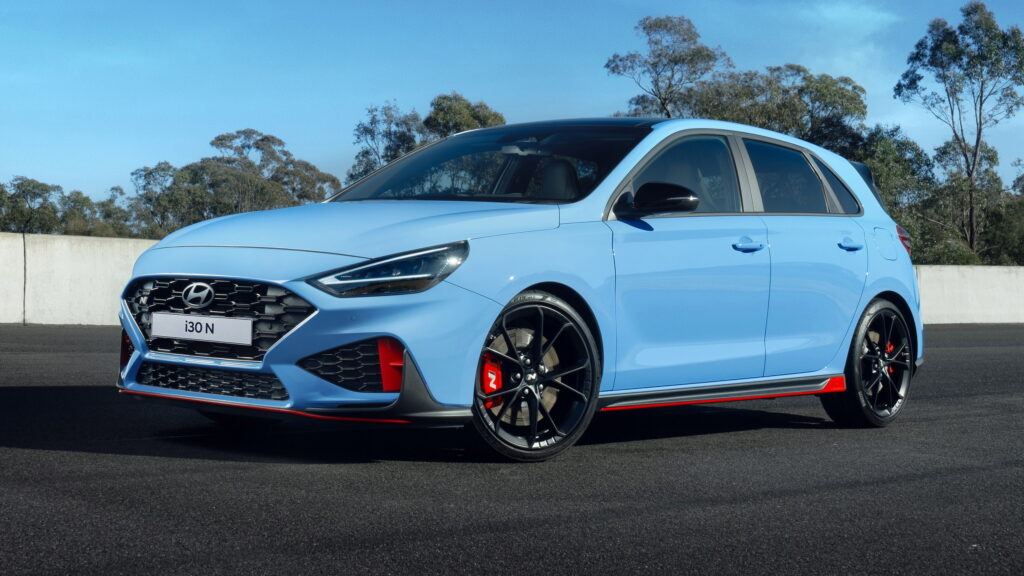
The return of the i30 N, especially in hybrid guise, could be a significant event for European enthusiasts who still value the driving emotions of an internal combustion engine car but understand the need to adapt to environmental demands. It also demonstrates the flexibility of Hyundai N’s strategy, which is in no hurry to completely abandon fuel, offering diverse technologies. Market conditions, where competing models are becoming fewer, create a favorable opportunity for Hyundai to solidify its position in the niche of emotional, yet more eco-friendly than pure gasoline versions, cars.