


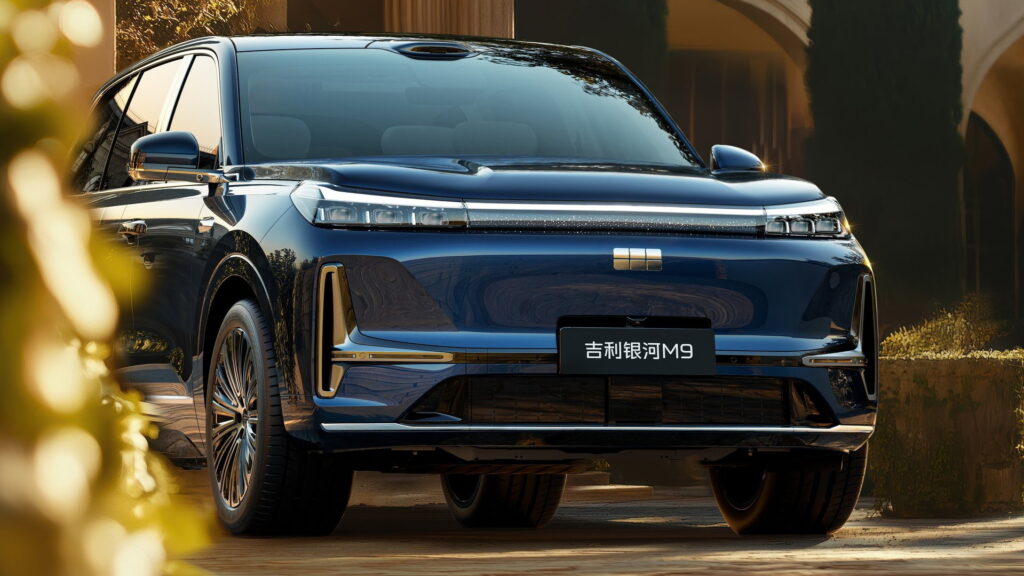
Geely offers Ford collaboration on the new Ranger
Geely is preparing to launch a new mid-size pickup truck, which is expected to appear on the global market in 2028. Meanwhile, Ford’s CEO openly expresses admiration for modern Chinese cars. Geely representatives hinted that developing a new platform might be too expensive for Ford.
Rumors that Ford is trying to license Geely’s technologies and potentially build models on a Chinese platform may have hit obstacles in the US, but Geely is not giving up. The Chinese giant is openly offering itself as a partner for developing the next Ranger, and one of its top managers stated this directly. Ford undoubtedly has doubts, but if such a collaboration were to happen, it would highlight how influential Chinese automakers have become for traditional brands.
Collaboration as a path to savings
Geely already collaborates with several automakers worldwide, including Renault and Mercedes-Benz. Using one of its platforms could help Ford reduce development costs and shorten the timeline for creating the future Ranger.
During a recent conversation with Carsales, Geely Auto International Vice President Alex Gu noted that the current Ford Ranger, largely developed in Australia, does not meet the country’s New Vehicle Efficiency Standard (NEVS) requirements, except for the plug-in hybrid version. Geely is actively developing its own new pickup, planned for launch in 2028, and believes it could serve as a suitable base for the next-generation Ranger.
When asked directly whether the future pickup could be based on a shared platform with Ford, Gu replied: “Why not?” He also added that it “should” be a joint development with a Western automaker.
Geely saving Ford?
“Either they spend huge investments and a lot of time developing a new energy platform, or they find a brand like Geely to collaborate with,” he added. “Today, if you develop a platform on your own, it requires a lot of time and huge investments… for me today, if I were the owner of a traditional brand, I think collaborating with the Chinese is more effective.”
Partnerships in the mid-size pickup segment are nothing new. For example, the new Nissan Navara and Mitsubishi Triton/L200 are essentially the same vehicle, albeit with different designs. Given that models like the BYD Shark 6 have shaken up the market in Australia, Geely seems to be counting on Ford feeling the pressure and being forced to join forces with it.
Ford stated it is not interested in commenting on Gu’s statements. The company also recently denied rumors that it was considering collaborating with Geely in the US, which could have served as an “entry” for the Chinese brand into the American market. Nevertheless, given that Ford boss Jim Farley openly expresses admiration for new competitors from China, it would not be surprising to see a partnership between Ford and a company like Geely.
Such an open offer from Geely indicates a shift in the global automotive hierarchy. While Chinese companies were primarily students in the past, they are now offering technologies and platforms to established global players. For Ford, facing strict environmental regulations and growing competition, especially in the electric vehicle market, collaboration with Geely could be a pragmatic solution to accelerate development and reduce costs. However, given the political tensions and trade barriers between the US and China, such a partnership would likely face significant regulatory and reputational challenges, particularly in the American market.