


Ford’s Strategy: Abandoning Boring Cars in Favor of Emotional Products
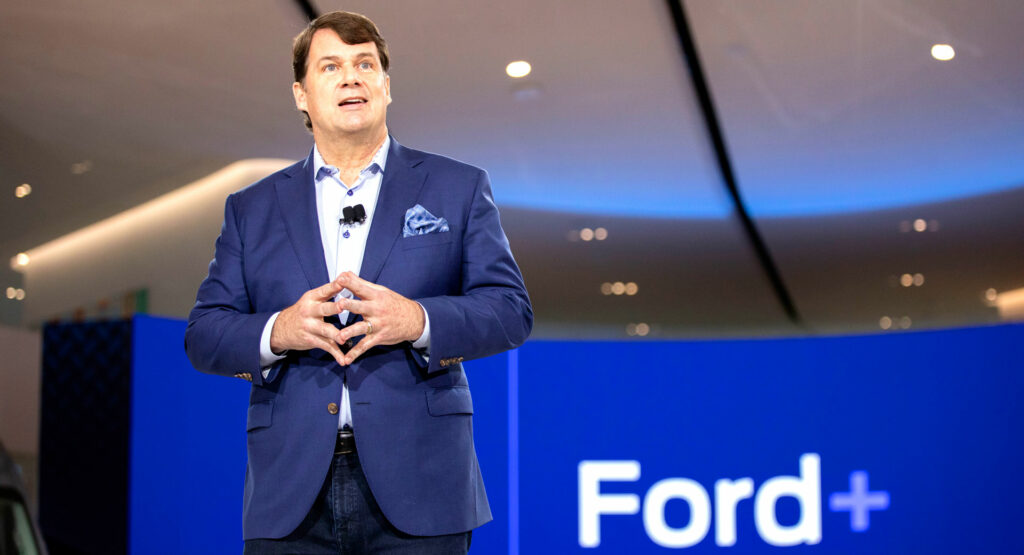
Ford CEO Jim Farley has once again confirmed the company’s course to abandon ordinary, boring cars. Instead, the company plans to create “passion products,” and this strategy covers all markets—from American pickups to compact European electric vehicles, and also includes hints of a new supercar.
The main directions of the strategy discussed by Farley include:
European Vector: Affordability with Character
Jim Farley first expressed this idea back in 2024, but in a new interview with Top Gear, he reinforced his position, focusing on the European market. He clearly stated: “No more generic cars.” Farley emphasized that models like the Focus and Fiesta were loved precisely for their affordability and excellent driving dynamics, not for boring characteristics.
People loved the Focus and Fiesta because they were affordable cars with great driving dynamics. They weren’t boring cars.
Their successors, built on the same Renault AmpR platform as the successful Renault 5, are expected to be much more vibrant and noticeably different from Renault’s own products.


Farley noted that Ford’s strategy for electric vehicles in Europe is changing, and the company plans to compete differently. The cars will have a special character that won’t be average for the market. Even in the world of EVs, this is possible, but it will require taking certain risks. To emphasize his point, he even drew a parallel with Steve Jobs, stating that it’s precisely about passion products, not marketing talk.
We are creating passion products, this is not marketing talk. This is a Steve Jobs-like conversation. I question the concept that the Fiesta ST is the best example of democratized performance at Ford.
The American Path: The Main Thing is Affordability
At the same time in the USA, Ford has chosen a different path to achieve the same goal. Instead of chasing premium electric vehicles, the company is working on a smaller, cheaper electric pickup priced around $30,000, aimed at the mass consumer. The idea is simple: create an affordable product that people actually want, not just a car that meets regulatory requirements.
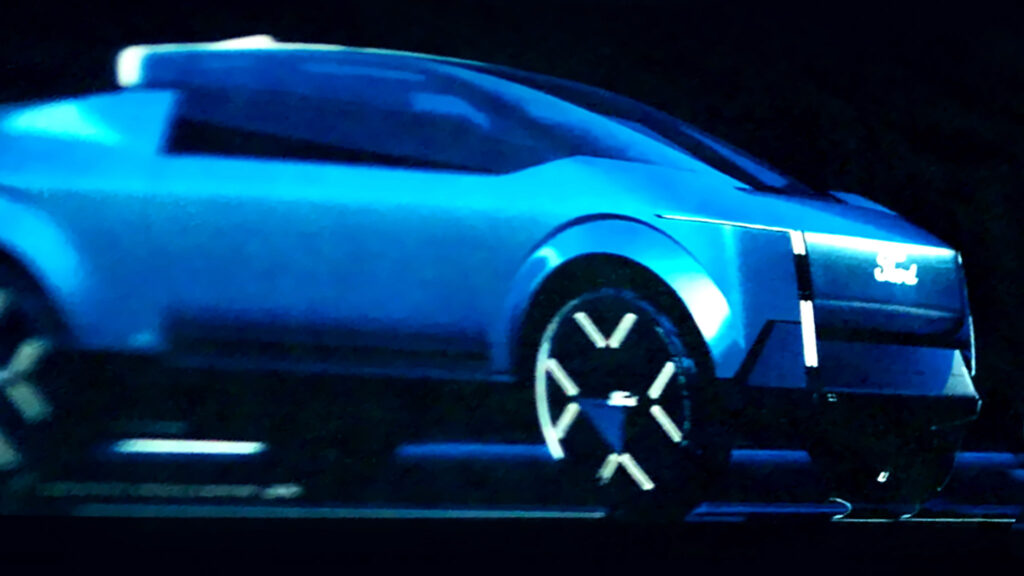

This is part of a broader rethinking of the approach, which also includes developing hybrids and new manufacturing methods designed to reduce costs and complexity. If this strategy works, Ford may finally crack the code for creating electrified vehicles that are both desirable and profitable.
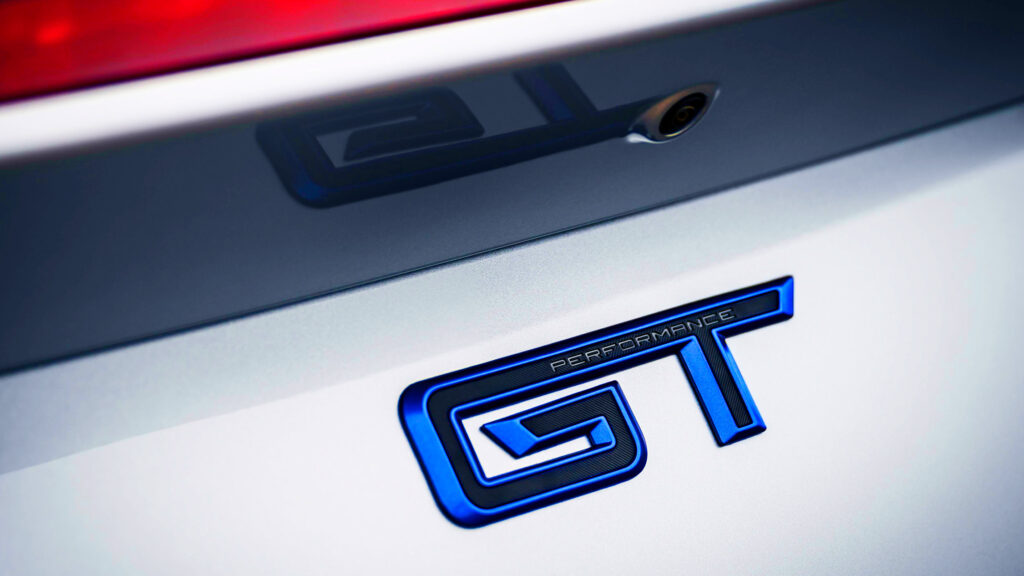
New Supercar: Hints at the Ford GT
And finally, the most interesting hint. At the end of the interview, Jim Farley made it clear that the decision to create a new halo car (a brand’s flagship vehicle) has already been made, and his team has long moved beyond the question of what it should be.
We are not pondering, we have already answered.
Farley did not reveal details, but the message was clear: Ford wants to bring excitement to every level of its model range—from affordable electric cars to what sits at the very top.

These announcements from Ford come at a pivotal moment for the automotive industry, as the transition to electric vehicles faces questions of affordability and the market’s need for emotional products. The company’s approach, which splits strategies for Europe and America, demonstrates a deep understanding of regional specifics. The success of this policy will depend on whether Ford can truly embed “swagger” into its European models on shared platforms and whether its American electric pickup proves attractive enough to attract the mass buyer. Hints of a new flagship sports car also fuel interest, as such models traditionally set the tone for the entire brand and showcase its technological capabilities.