 by
by Ford’s Transformation: From Mass-Market Cars to “Emotional” Models
The Ford company is undergoing a profound transformation. It has not only radically revised its electric vehicle plans but has also abandoned its long-standing pursuit of affordable, small-displacement cars for the mass market.
Instead, Ford is betting on what it calls “emotional products” — cars like the Mustang or Bronco, which appeal to nostalgia, a thirst for adventure, or pure power. They complement the core lineup of pickups designed for specific tasks. This is a truly dramatic change of course, and now it’s becoming clear why it happened.
Abandoning the Role of a “Full-Line” Automaker
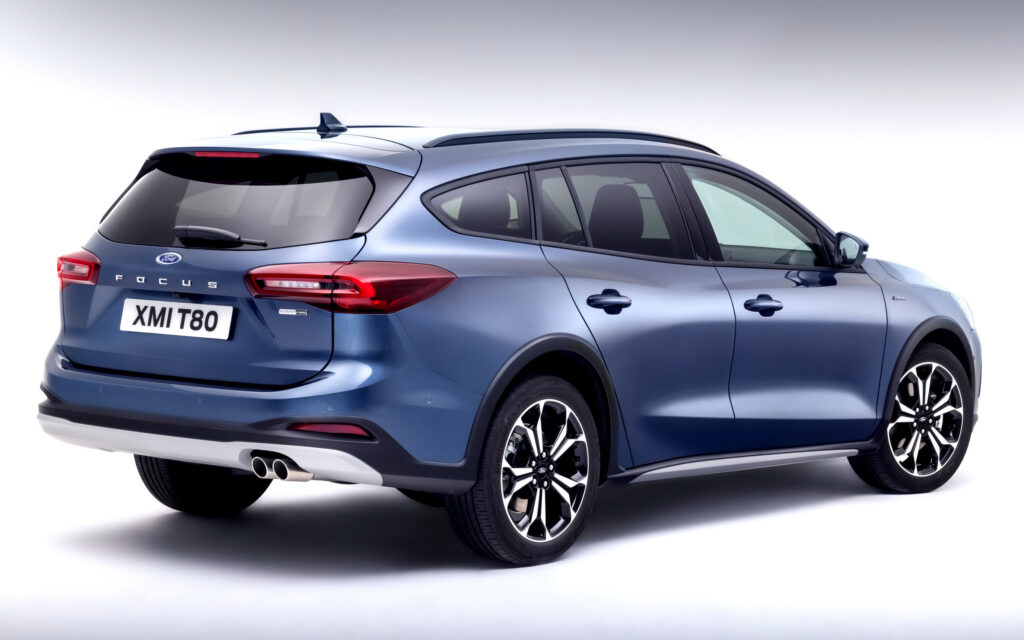
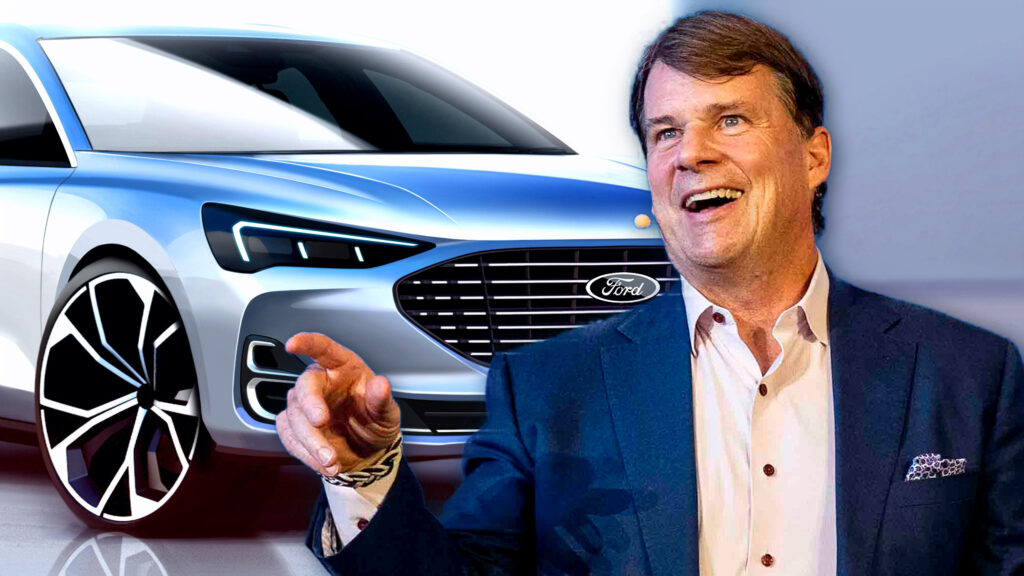
Ford CEO Jim Farley recently gave a candid interview explaining the company’s new direction. He noted that Ford is grateful for the experience of competing with Japanese and South Korean manufacturers through models like the Fiesta and Focus, but acknowledged that continuing to produce these cars is no longer financially viable.
It was a spiritual moment for Ford — to be a full-line manufacturer, but I learned a lot because, perhaps, it was a mistake. Not a mistake to try, but our costs were not competitive with Toyota and Hyundai/Kia, and as a result, we had to shift to Broncos and pickups.
Farley added that Ford’s approach in Argentina reflected its ambitions in the US market. The shared goal was a broad lineup that would include affordable cars like the Model T. However, the financial calculations didn’t work out.
We had this aspiration to be a full-line manufacturer, like the Model T company, to have a very democratic product, but we also found that it makes the business almost impossible because we didn’t have a cost advantage. So, similar to Argentina and Latin America, in the US we had to restructure the business.
Fewer Models, More Profit?
In recent years, Ford has discontinued several of its mass-market models, including the Escape SUV, which just left the US market, as well as the Fusion, Taurus, and Edge. While such a refocusing has led to a reduction in the product lineup and a noticeable drop in sales volume in units, it has also resulted in improved financial performance.
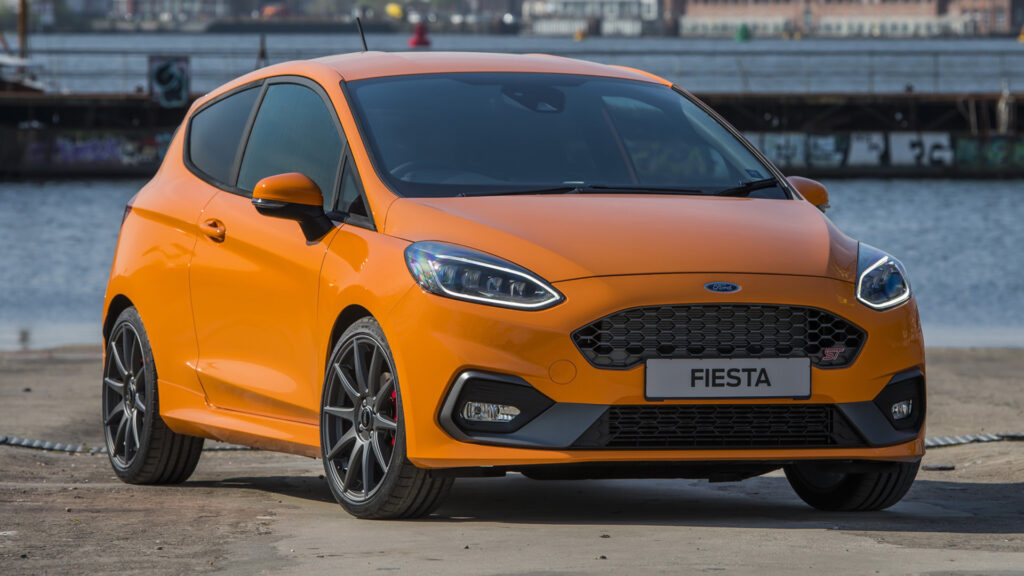
From 2013 to 2017, Ford sold over 6.3 million cars annually worldwide. In 2018, sales fell to less than 6 million, and by 2020 they sharply contracted to 4.2 million. In 2021, they dropped even lower — to 3.9 million, and since then annual sales have stabilized at 4.2–4.4 million units.
But although fewer cars are rolling off the assembly line, those that are produced carry more weight — both in terms of impact and profit. Among the recent hits are the aggressive Mustang GTD, the Bronco Raptor SUV, and the powerful F-150 Raptor R. All these products are designed to evoke something more than just pragmatism in buyers.
This strategy reflects a broader trend in the automotive industry, where many manufacturers face a choice between scale and margin. Focusing on niche, emotionally charged products allows companies to avoid direct price pressure in overcrowded mass markets. In Ford’s case, it is also a return to the brand’s roots associated with power, freedom, and the American spirit, which may prove to be the key to long-term consumer loyalty, even if it means a smaller market share in quantitative terms.