


Lawsuit Against General Motors Over V8 Engines
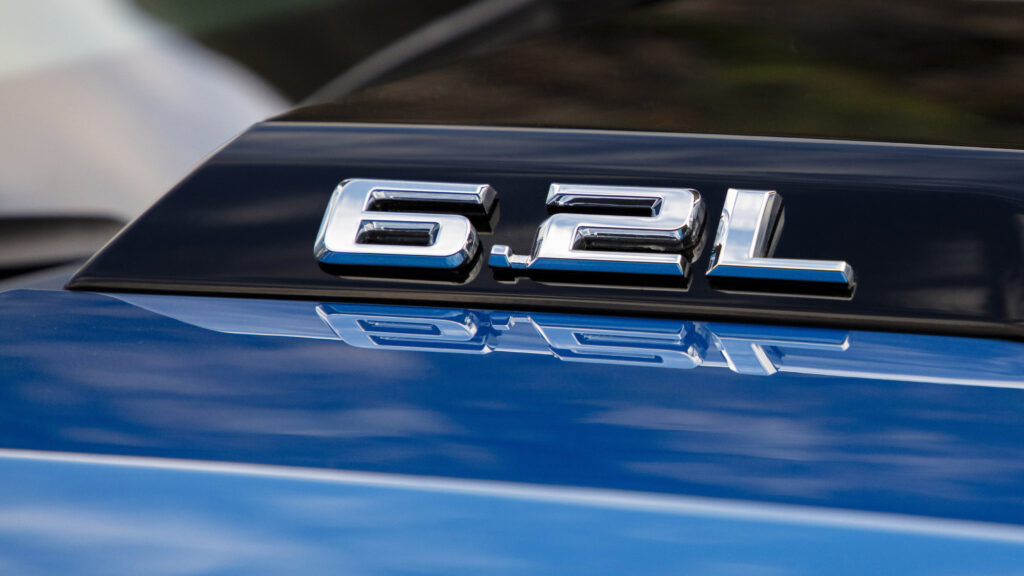
Nearly a dozen class action lawsuits filed against General Motors over an allegedly defective 6.2-liter L87 V8 engine have now been consolidated into a single case in Michigan. The claims point to a problem significantly more serious than typical reliability complaints. Not only are the engines prone to premature failure, but the plaintiffs also allege that GM has long been aware of the fundamental flaws.
At the center of the consolidated lawsuit is the claim that these engines can fail due to loss of lubrication between the crankshaft and bearings. According to the complaints, this lubrication failure can lead to complete engine seizure or even a piston blowing through the cylinder block.
Vehicles with the L87 engine include the 2021-2024 Cadillac Escalade and Escalade ESV, 2019-2024 Chevrolet Silverado 1500, 2021-2024 Chevrolet Tahoe, 2021-2024 Chevrolet Suburban, 2019-2024 GMC Sierra 1500, 2021-2024 GMC Yukon, and 2021-2024 GMC Yukon XL.
This lawsuit should not be confused with the $150 million class action settlement GM reached late last year concerning its 5.3-liter LC9 V8 engines.
Scale of the Problem
The lawsuit states that as of October 2025, the National Highway Traffic Safety Administration had received 1,157 reports of engine bearing failures related to the L87. These reports also include four accidents and fires associated with engine failures.
Furthermore, the filing alleges that GM had received 28,102 complaints or incident reports as of April 2025 related to the L87 engine. Over 14,000 of these reports concerned loss of power. The complaints also mention 12 accidents, 42 fires, and 12 injuries linked to the problem.
Recall Attempt and Response
Last year, GM announced a recall for the defective engines, but dozens of plaintiffs believe this is insufficient. The company instructed dealers to scan the affected vehicles, and if they returned an error code P0016, the engine was to be replaced. If no such code was found, dealers were instructed to simply drain the original 0W-20 oil and refill with 0W-40, replace the oil filter, and install a new oil filler cap.
This consolidated class action lawsuit combines 11 separate lawsuits filed against GM during 2025 regarding the L87 V8 engine.
The consolidation of numerous lawsuits into a single case indicates the systemic nature of the problem and potentially serious consequences for the manufacturer’s reputation. The scale of the complaints, covering tens of thousands of cases and related accidents, transforms this from an issue of individual warranty claims into a significant legal and public relations problem. The success or failure of this consolidated lawsuit could set an important precedent for similar cases in the automotive industry, particularly regarding how companies respond to potential safety defects after production has begun. GM’s response, which involved a technical modification (changing the oil type) instead of a full replacement of all potentially affected units, has become a key point of contention, as plaintiffs doubt its sufficiency in addressing the root cause of the failures.