


Large-Scale Recall Due to Critical Malfunction
Ford CEO Jim Farley claims improvements in the quality of the company’s new vehicles, but this is of little help to owners of older models who are once again facing a recall. A new campaign in the USA, covering over 420,000 vehicles, points to a defect in the windshield wipers, which may stop performing their primary function at the worst possible moment.
What is the Problem?
The problem is centered on the wiper arm splines, which can wear out. When this happens, the driver may suddenly lose visibility in rain or snow, which is extremely dangerous while driving. Wiper failure during heavy rain can quickly turn an ordinary trip into a serious accident.
Ford’s investigation found that wiper arms can become loose due to a combination of a faulty retaining plate and variations in dimensions between the wiper motor spline and the arm itself.
Which Models Are Affected?
Both the left and right windshield wipers are at risk. The company reports that a sign of an impending complete failure may be unusual speed or uneven operation of the wipers.
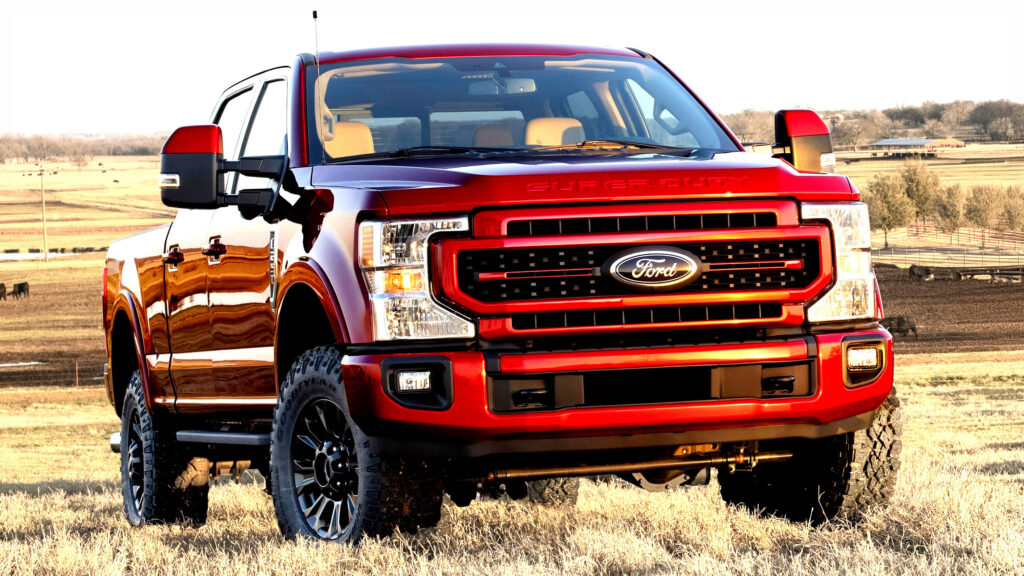
The affected models include Ford Expedition and Lincoln Navigator SUVs from model years 2021-2023, as well as Ford Super Duty pickup trucks from model years 2022-2023. Ford states that it is aware of the problem and is working on a solution. Dealerships will replace the faulty parts free of charge, which, however, still means inconvenience for hundreds of thousands of owners.
Context and Perspectives
This situation is interesting in its timing. Last year, Ford led the industry in the number of recalls, initiating over 150 separate safety campaigns. Jim Farley has repeatedly spoken about improving quality, and there are signs of internal progress. However, as this recall shows, improvements take time to spread to vehicles already on the road. If Farley is right, similar stories should become significantly fewer in two to three years.


This recall once again highlights the complexity of balancing innovation, production speed, and reliability in the modern automotive industry. For large manufacturers like Ford, each such case is not only a financial cost but also a test of consumer trust. A positive aspect can be considered the transparency of the process and the company’s willingness to correct mistakes, which is an obligatory part of responsible business. The success of the declared quality improvement strategy can be truly assessed by the statistics of future recalls and the long-term reliability of new models.