


Introduction
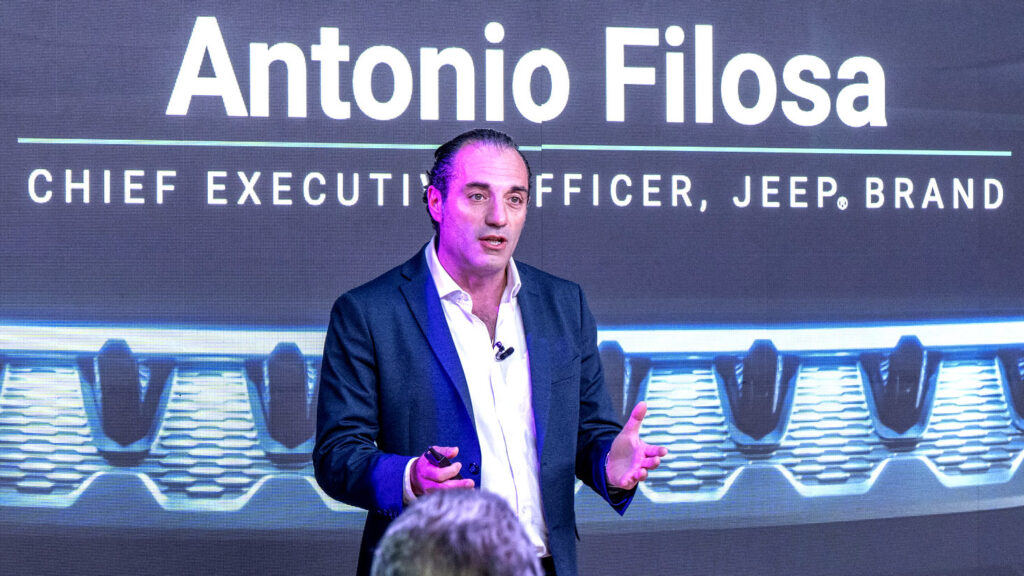
Managing a global automotive giant has always been highly paid work, and the current head of Stellantis, Antonio Filosa, is experiencing this firsthand. In his first year after replacing Carlos Tavares in the position, Filosa received a sum of 5.4 million euros, which is approximately 6.37 million dollars.
Key points regarding Stellantis management compensation:
Antonio Filosa’s Compensation Package
His compensation package included a base salary of 1.4 million euros (1.65 million dollars), as well as 374,000 euros (440,000 dollars) in additional benefits covering transportation, cars, insurance premiums, and other allowances. He also receives supplements related to his role as Chief Operating Officer of North America, along with 1.5 million euros (1.77 million dollars) in long-term incentives that have not yet been paid, and post-retirement payment expenses.
Filosa could have earned several million more through the annual incentive program. However, since Stellantis did not achieve positive cash flow last year and instead recorded a net loss of 26.3 billion dollars, he was not eligible for these incentives.
CEO-to-Worker Pay Ratio


Nevertheless, Filosa’s 2025 compensation was still approximately 82 times higher than that of the average Stellantis employee, who earns about 78,000 dollars. This is a significant gap, even if it appears modest compared to what his predecessor received. For many Stellantis employees, the real issue this year was not executive pay, but the complete absence of any bonuses.
For the first time in many years, hourly Stellantis workers represented by the UAW will not receive a profit-sharing bonus after the company recorded a 2.2 billion dollar loss in North America. According to the union contract, payments are directly tied to profitability. No margin means no payout. The zero payout has drawn sharp criticism from union leaders, especially against the backdrop that Ford and GM workers are still set to receive bonuses amounting to several thousand dollars.
Former CEO
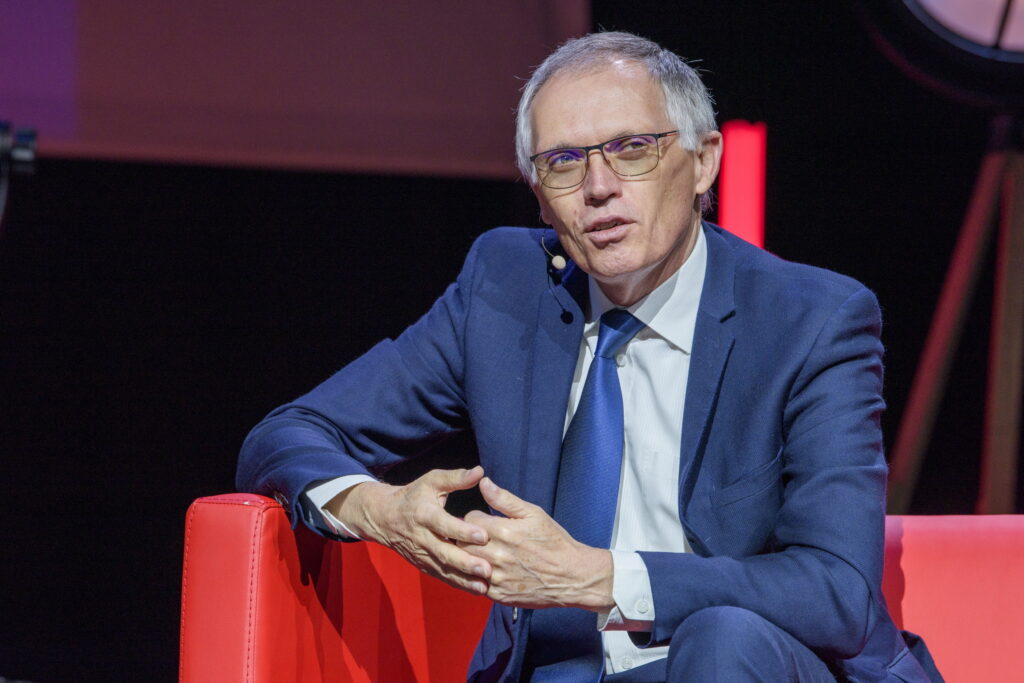

Although Carlos Tavares was removed from the position of Stellantis CEO at the end of 2024, last year he still earned 12 million euros (14 million dollars) thanks to a large exit payment and a performance-based incentive payment of 10 million euros (11.7 million dollars). However, this was never close to what Tavares earned previously.
Going back to 2023, the numbers rise sharply. Tavares earned a truly impressive 36.5 million euros, equivalent to 39.5 million dollars at the time. About 26.1 million euros (28.2 million dollars) of that sum came from long-term incentives, largely tied to a new transformational incentive that was paid out after Stellantis achieved three out of seven performance targets.
These targets included achieving a 15% share of low-emission vehicle sales in Europe, launching electric motor production, and beginning production of a new electrified dual-clutch transmission.
In 2024, his compensation dropped to 23 million euros (24 million dollars). This is not an insignificant amount, especially considering the company’s net profit fell by 70% that same year.


The compensation situation at Stellantis clearly demonstrates a deep disparity between the rewards for top executives and rank-and-file employees, especially during periods of the company’s financial difficulties. Zero bonuses for thousands of employees against the backdrop of multi-million dollar payments to executives, even after their dismissal, creates tension and raises questions about the fairness of the company’s internal policies. This contrast could have long-term consequences for workforce morale and corporate culture, particularly in the context of the automotive industry’s transformation and intense competition. The focus on short-term incentives for top managers, which do not always correlate with the overall well-being of the company or the status of ordinary employees, remains a subject of public debate.