 by
by Hyundai’s subsidiary, Genesis, is actively working on developing its product lineup and image. Here are the key points of their plans:
Moving to a New Level
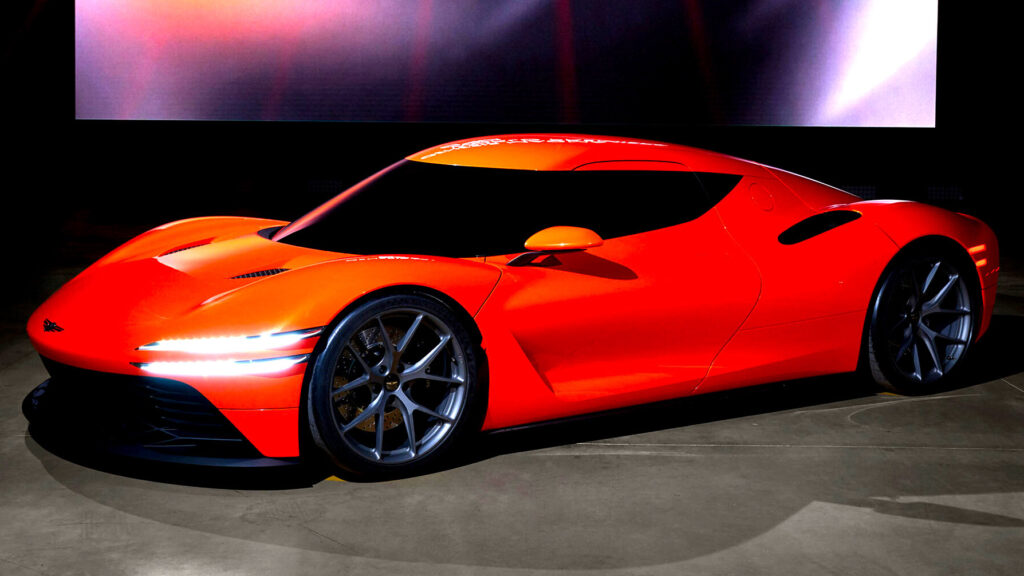
Although the Hyundai Group already has experience in creating fast cars, the decision to put the Genesis Magma GT concept into series production came as a surprise to many. The current task is to ensure the brand’s first supercar does not remain its only iconic model.
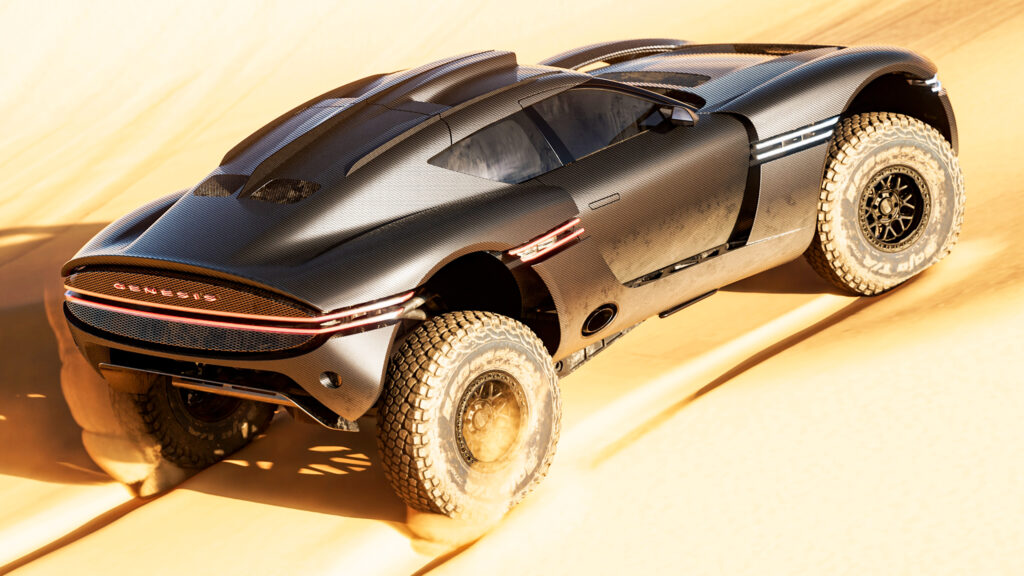
At the end of last year, the automaker announced a large-scale product expansion in the high-performance segment. The Genesis GV60 Magma was presented, and it was confirmed that every model in the lineup will receive a top-tier “hot” Magma version. The Magma GT is set to become the brand’s main “halo car.”
Product Development Strategy
In a new interview with the British publication Car Magazine, Hyundai Motor Group President and CEO José Muñoz and designer Luc Donckerwolke revealed their vision for the future. Their strategy resembles the approach of companies like BMW, AMG, and Lamborghini. Achieving such goals requires serious efforts that go far beyond simple rebranding.
“Genesis cars are absolutely different [from Hyundai and Kia models],” says José Muñoz. “Their platforms are different, their technologies are different, and their performance is different.”
This undoubtedly helps the brand stand out, but the Magma GT takes everything to an even higher level.
Long-Term Plan for High-Performance Models
Preliminary engineering work on the series version is already underway, and according to sources, it could appear by 2030.
“You launch the base car, then you make an S-version, and a GT3, and you make a roadster. Then you give the car a major mid-lifecycle refresh and do it all over again. It’s not rocket science,” says Luc Donckerwolke.
In other words, the approach is expected to be similar to how Nissan worked with the GT-R model.
Motorsport as Part of the Business
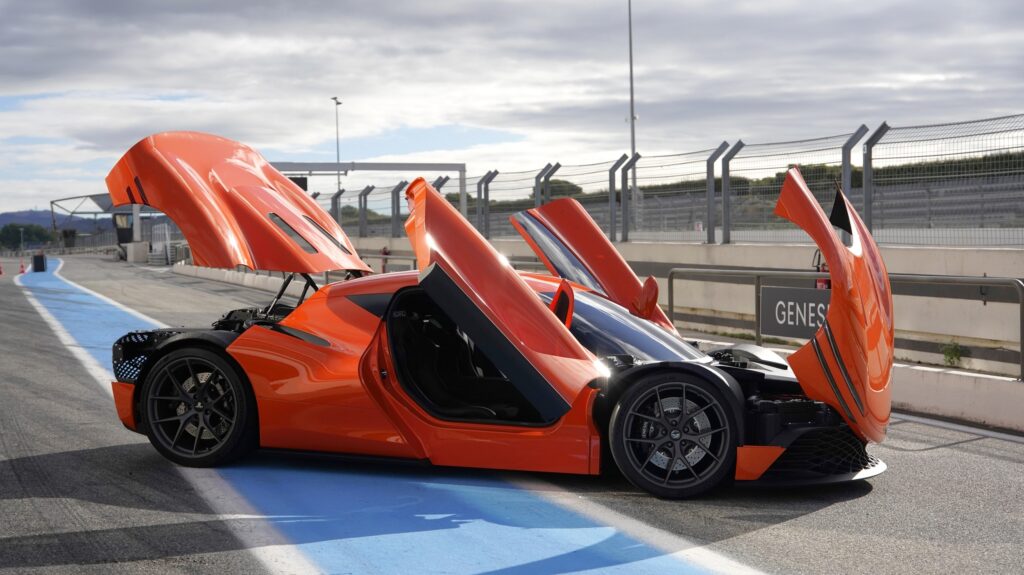
The Nissan GT-R had a long history, faithfully served as the brand’s flagship model, and even gained fame in racing. Genesis wants to replicate this success with the Magma GT. Early signs indicate the car will be homologated for GT3 racing, and then units will be sold to private teams.
These racing efforts will be overseen by Hyundai Motorsport boss Cyril Abiteboul, former team principal of the Renault and Alpine Formula 1 teams, adding serious motorsport credibility to the plan.
Lamborghini and other exotic automakers make significant money by participating in and supporting this arena. Genesis will also be able to do this if it succeeds on the track.
Limited Series and Concepts
Luc Donckerwolke even suggests we might see limited series models available only in the Magma version, and this is where things get particularly interesting. This is the same tactic constantly used by Lamborghini, Ferrari, McLaren, and others. Refreshing the car, some changes in specifications, a new name – and selling a small batch at a high price.
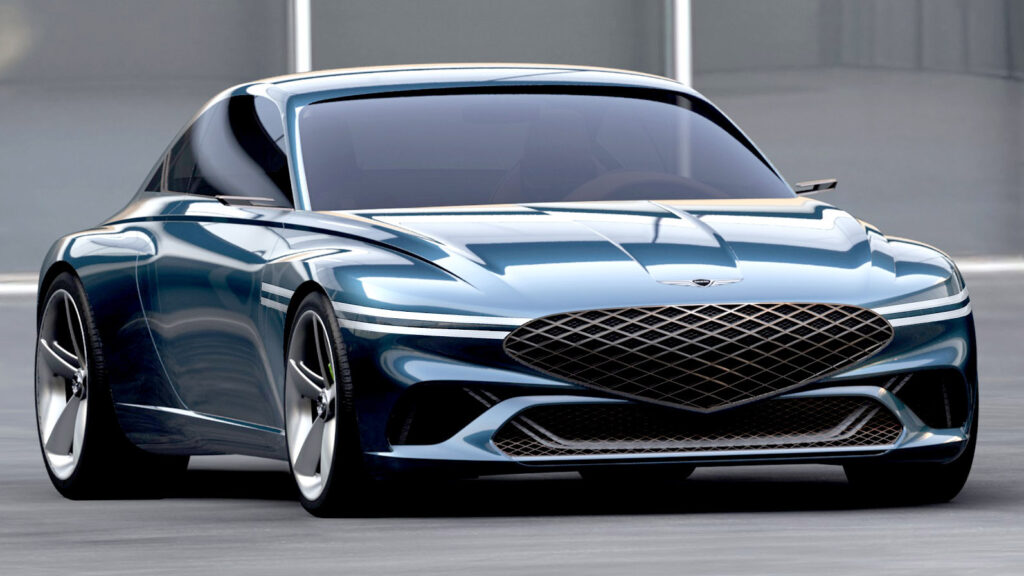
He insists that recent concepts, such as the X Gran Coupe and the Wingback shooting brake, are not just design exercises or attention-grabbing teases.
“These cars can be realized very quickly with a minimal level of upfront investment,” he says.
In other words, if Genesis decides to build them, it believes it can do so quickly without risking the entire company. “I deeply believe that you should not have a monoculture of cars,” Donckerwolke added.
We can only hope the Wingback concept is the first to receive an accessible series version.
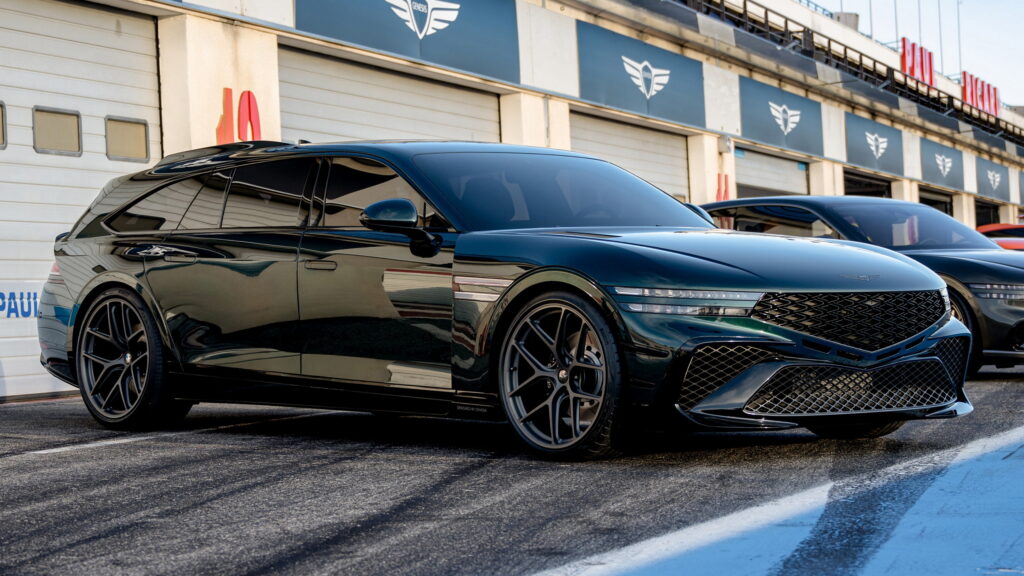
Genesis’s plans demonstrate a clear desire to transform from a premium brand based on Hyundai models into a full-fledged player in the high-tech and high-performance market. The emphasis on unique platforms, proprietary design, and deep integration with motorsport points to a long-term strategy. The success of the Magma GT, both on the road and on the track, could radically change the perception of the brand on a global level and open the doors for it to the elite club of automakers where emotions and technology are sold at a very high price. The realization of concepts like the Wingback could help fill a gap in the portfolio and attract new customers seeking a combination of luxury, utility, and exclusivity.