


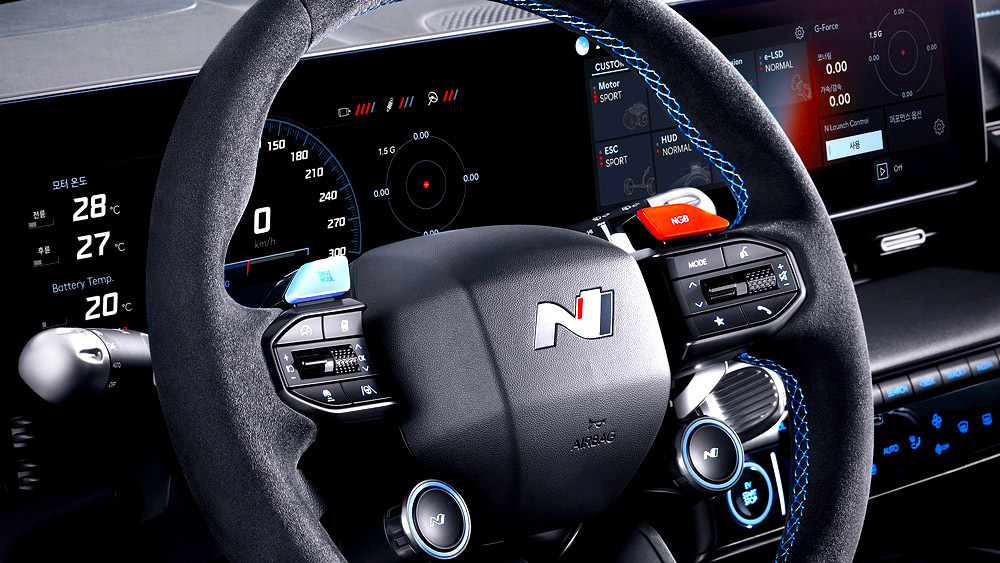
Hyundai expands use of gear shift imitation and engine sound
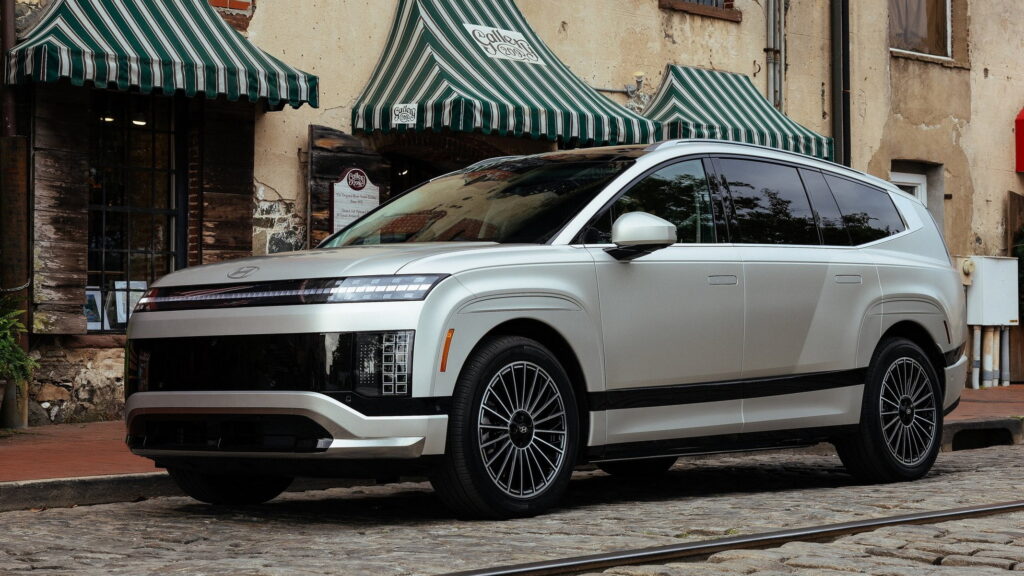
Hyundai plans to extend the technology of simulating gear changes and engine sound, which first appeared on electric N models, to more mass-market electric vehicles. This feature, which makes driving an EV feel like driving a car with an internal combustion engine, is already being tested on models outside the N lineup, specifically on the Ioniq 9 crossover.
How the technology works and why it matters
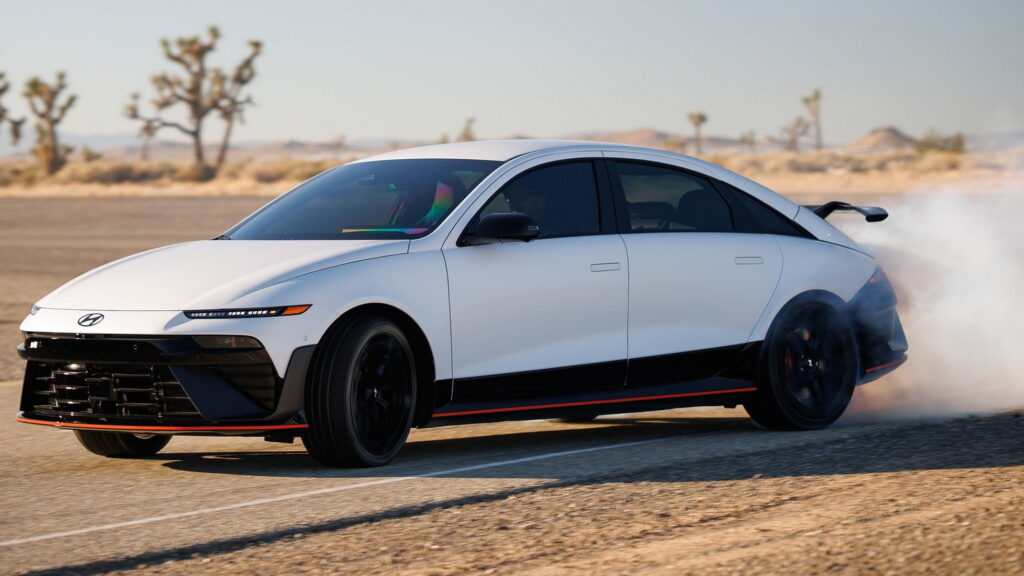
The Hyundai Ioniq 5 N made the driving experience exciting by simulating the feel of a car with an internal combustion engine. Following the success of this technology on the 5 N, 6 N, and Ioniq 9 models, the company plans to implement it in more mass-market electric vehicles.
Details: According to Hyundai Europe’s Vice President of Product, Raf van Nuffel, the company aims to create a genuine driving experience that includes not only sound but also the sensation of acceleration. The system simulates the operation of a clutch when the driver “shifts gears,” and it can be turned off. This could help Hyundai stand out among other EVs, which are typically quiet.

Limitations and power requirements
Van Nuffel noted that the technology will not be limited only to N models, but a minimum power level is required to create the “clutch” effect. Therefore, the feature will not be offered on base models with low power output.
“It’s not something we restrict only to N, but we have certain requirements — we need a minimum level of power to get that clutch feel. We won’t offer it across the entire model range, but there will definitely be more, and you don’t always need to have 600 horsepower,” van Nuffel said.
Perception of the technology and prospects
Engine sound simulation is controversial, but many automakers already use it, even on ICE vehicles. Hyundai adds not only sound but also tactile sensations to this. Since drivers can turn this feature off, it appears to be a win-win option that satisfies both enthusiasts and those who prefer the traditional EV driving experience.
Hyundai’s approach could be a key factor in attracting buyers who are hesitant to switch to EVs due to the lack of familiar driving sensations. Simulating gear shifts and engine sound makes EVs more “alive” and emotional, which could help the brand carve out a unique niche in a market where most competitors rely solely on silence and smoothness. At the same time, restricting the feature to more powerful models underscores that this is not just a marketing gimmick, but a technology requiring specific technical characteristics to achieve the intended effect.