


Impact of temperature on electric vehicles and hybrids: AAA study results
Did you buy a new electric vehicle or hybrid and wonder why its actual range doesn’t match the advertised one? This is partly explained by the controlled conditions of official tests, as well as some marketing exaggeration.
However, there is another reason why an electric vehicle with an advertised range of 480 km or a hybrid with 1280 km fails to achieve these figures. The fact is that vehicles do not like operating in conditions of excessively high or excessively low temperatures. What are the specific numbers? For this, we can thank AAA, which expanded and updated its study started back in 2019.
Testing on a climate-controlled “treadmill”
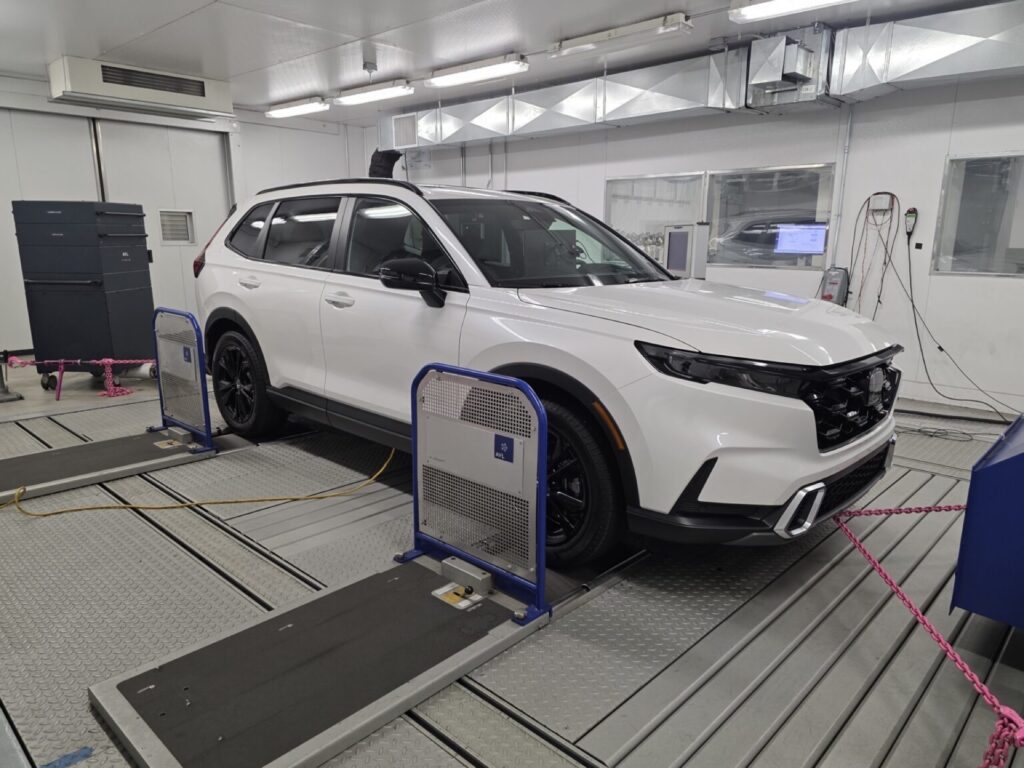

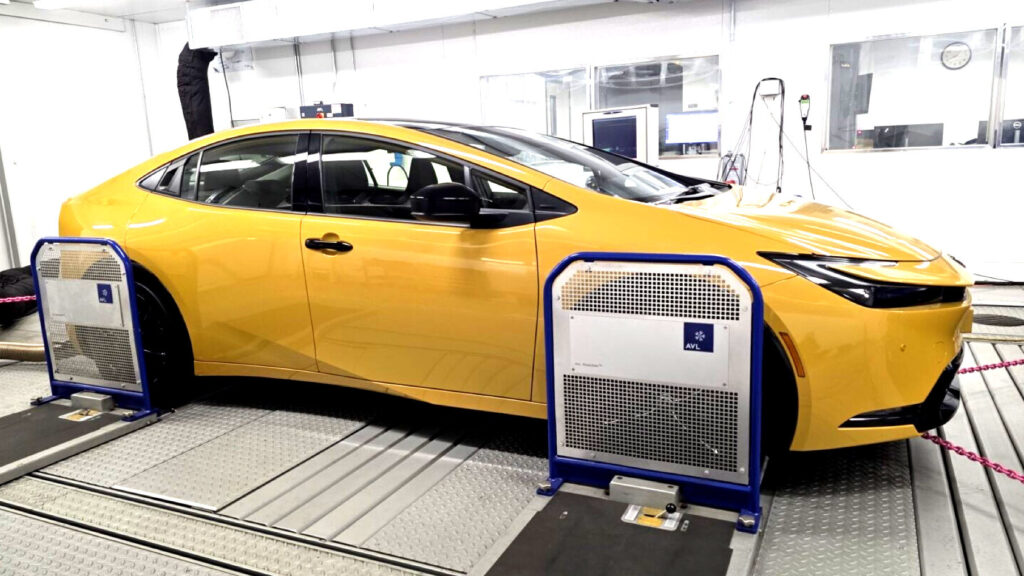
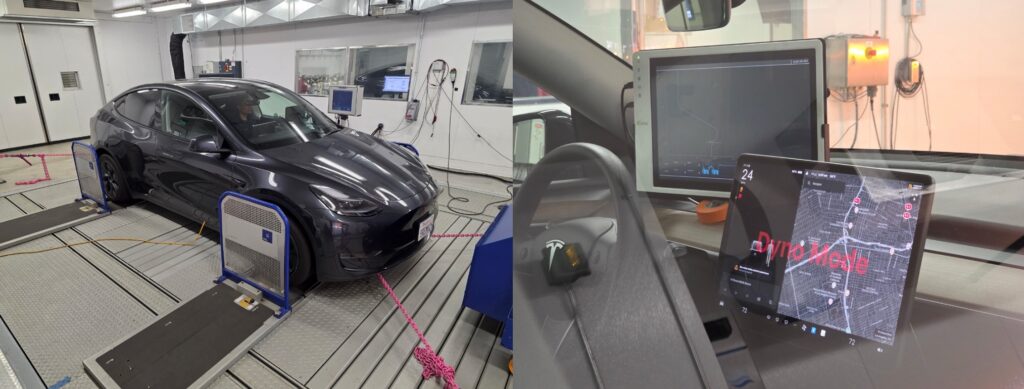
The testing methodology was quite interesting. Researchers took three hybrids and three electric vehicles and placed them in a laboratory test chamber with a dynamometer. In other words, it was like running on a treadmill in a temperature-controlled room. They then set the vehicles’ air conditioning and heating systems to a comfortable 22°C. The temperature in the test chamber varied. AAA engineers settled on three values: -6.7°C (cold winter), 23.9°C (average day), and 35°C (hot summer day). And they began the test drive.
Taking 23.9°C as the baseline, AAA found that at 35°C, electric vehicles lost an average of 8.5% range, corresponding to a 10.4% reduction in efficiency. Hybrids showed worse results: a 12% reduction in fuel efficiency (miles per gallon). These figures are noticeable but are unlikely to significantly impact daily use unless you are accustomed to driving “on the last charge” or “on the last drops of fuel.” This also means a slight increase in the cost per kilometer.
Cold weather: a significantly more serious challenge
Tests in cold weather turned out to be much more alarming. At a temperature of -6.7°C, electric vehicles demonstrated a massive 35.6% drop in efficiency, resulting in an average range reduction of 39%. Hybrids also suffered a notable blow: their fuel efficiency decreased by 22.8%.
Summary and recommendations

If you live in a region with mild winters and summers, where temperatures typically hover around 23.9°C, you have nothing to worry about. If you live in an area with hot summers, it is worth considering additional range when choosing an electric vehicle, especially if you plan to discharge it to 20% before each charge.
But if you live in a region with harsh winters, you should carefully evaluate your options. As Greg Brannon, Director of Automotive Engineering and Research at AAA, noted:
Electric vehicles are efficient in moderate temperatures but significantly lose range in cold weather. We expected this based on our previous studies, but were surprised by the 23% reduction in fuel economy for hybrids in cold weather. Drivers should consider climate, energy costs, and driving patterns when choosing the vehicle that best fits their lifestyle.

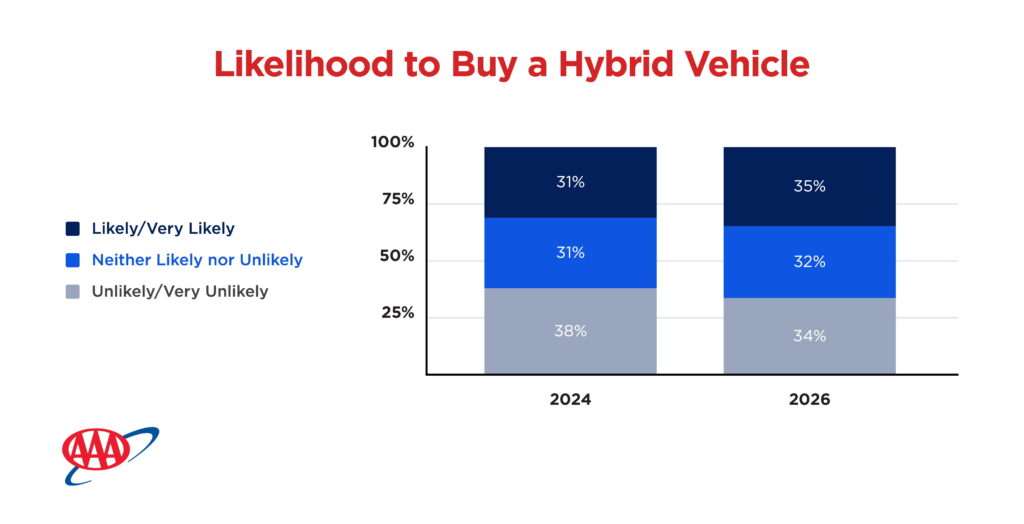

This study highlights the importance of considering climate conditions when choosing a vehicle. Although electric vehicles and hybrids offer significant advantages in terms of environmental friendliness and fuel savings, their efficiency can substantially decrease in extreme temperatures. It is especially worth noting that hybrids, often seen as a more versatile option, also demonstrate significant efficiency losses in cold weather. This means that for residents of regions with harsh winters, it may be advisable to consider alternative options or be prepared for increased energy costs during the cold months. At the same time, for most drivers in temperate climates, these losses are unlikely to be a critical factor, especially considering the overall fuel savings over the year.