


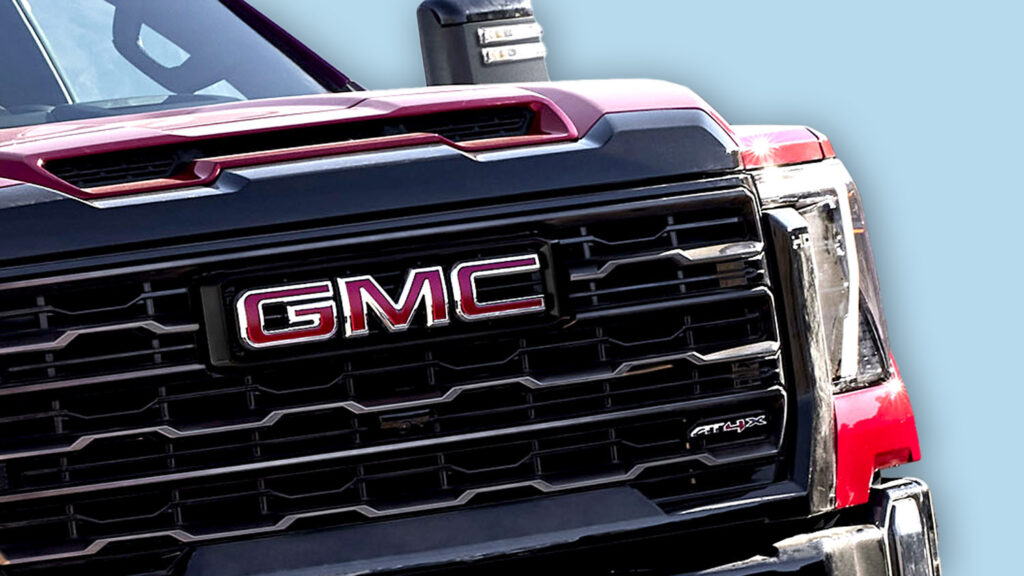
Large-Scale Recalls from GM
While Ford is often associated with a large number of recalls, General Motors is also initiating new campaigns. The two new recalls together affect 12,613 vehicles due to two separate issues.
Fuel System Problem on Heavy-Duty Pickups
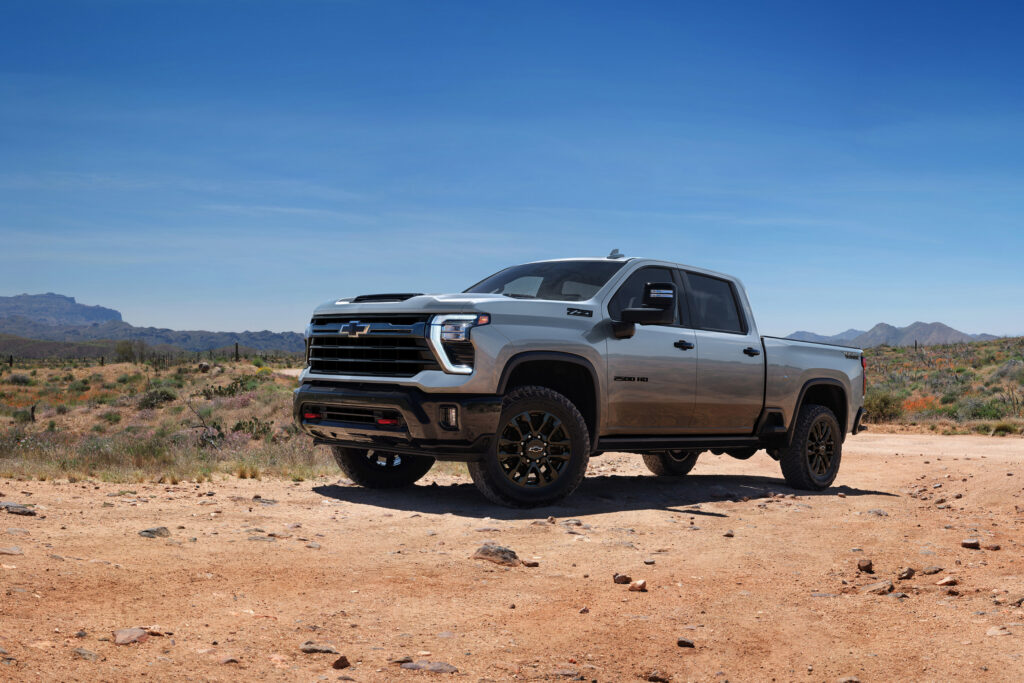
The majority of the involved vehicles are 2025-2026 model year Chevrolet Silverado 3500 and GMC Sierra 3500 pickups. These are models with gasoline engines and dual fuel tanks. The problem lies in the rear fuel pump, which may not transfer enough fuel to the front tank, leading to engine stalling.
GM learned about this issue in October of last year when it detected “a high frequency of three diagnostic trouble codes” on trucks with dual fuel tanks.

The investigation determined that incorrect calibration of the engine control module software could cause error codes during normal fuel transfer from the auxiliary tank to the main tank. If this happens, further fuel transfer is blocked until the next ignition cycle.
This essentially means the trucks can run out of fuel even though some still remains in the tanks. The company has already received 20 complaints about engines stalling while driving.
No accidents have been reported, and the fix is relatively simple: the engine control module software will be updated. This will be done by dealers or via an over-the-air update.
Damaged Tires on Vans
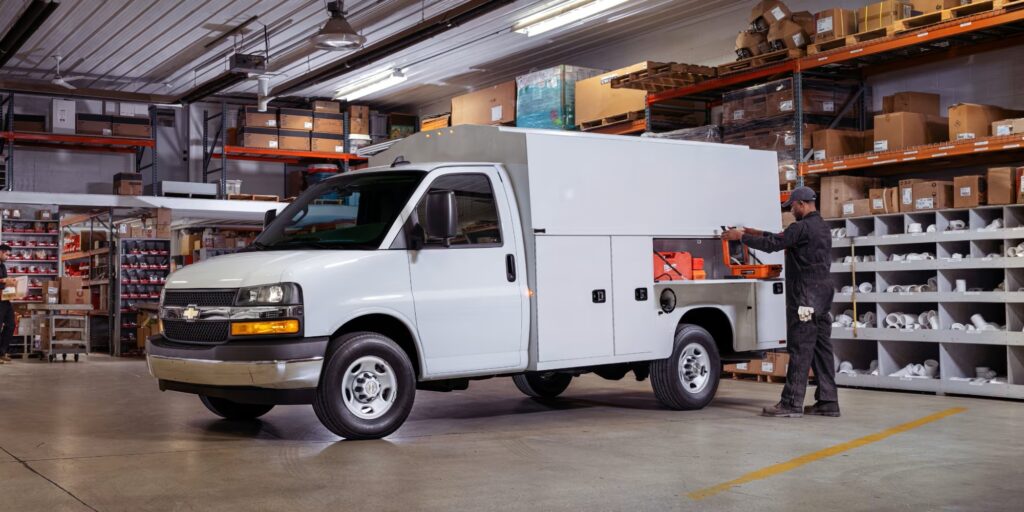

The second recall concerns 826 Chevrolet Express and GMC Savana Cutaway vans from the 2025 and 2026 model years. They may be equipped with tires that have sidewall damage.
Details are limited as the U.S. National Highway Traffic Safety Administration has not published the recall report, but the government noted the tires “may suddenly lose air.” To fix the issue, dealers will inspect the tires and replace them if necessary. Notifications to owners are expected to be sent out next month.
These GM initiatives highlight the ongoing attention manufacturers pay to detecting potential issues after vehicles go on sale. Software-related recalls are becoming increasingly common in the era of high-tech vehicles, where updates can often resolve problems that previously required mechanical intervention. At the same time, traditional yet critical components like tires remain in focus due to their direct impact on safety. The company’s swift response to received complaints may help prevent more serious incidents on the roads.