


GM and LG Plant Changes Production Profile
Just a few months after Ford announced the repurposing of one of its plants from manufacturing electric vehicle batteries to producing batteries for energy storage systems, General Motors has taken a similar step.
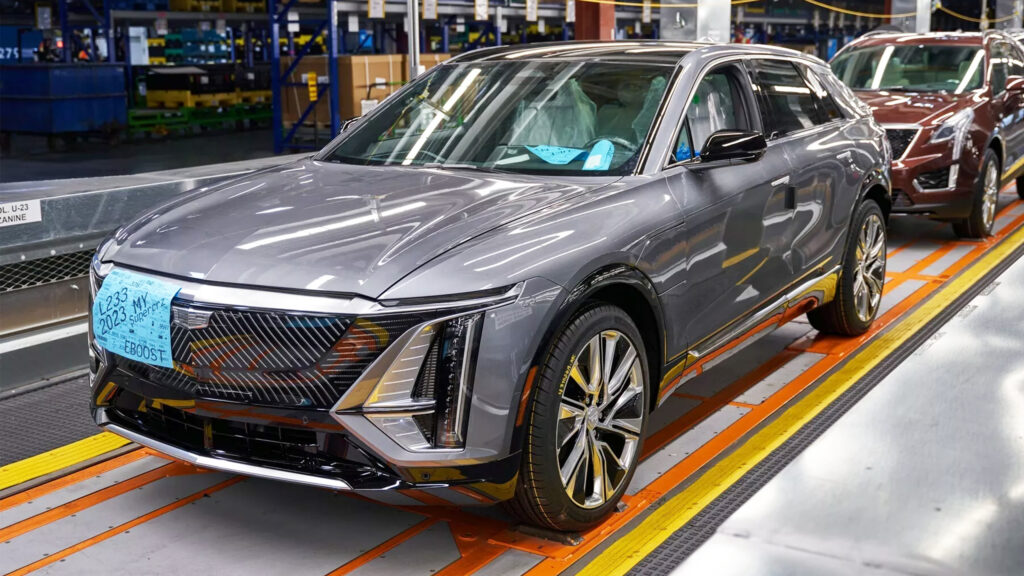
The automaker, in partnership with LG Energy Solution, operates the Ultium Cells LLC joint venture, which runs a large plant in Tennessee. This facility, opened in 2024, produced cells for the Cadillac Lyriq and Vistiq, as well as the Acura ZDX. However, at the end of last year, over 700 plant employees were laid off against the backdrop of GM’s overall reduction in investments in electric transportation.
Now, Ultium’s Vice President of Operations Tom Gallagher has announced that these workers will be rehired by the end of April, as the plant reorients to producing lithium-iron-phosphate (LFP) cells for clients in the grid energy and data center sectors.
The Cost of Changes
Retooling the plant cost the joint venture tens of millions of dollars. However, this measure is intended to prevent further financial losses associated with the electric strategy. It also helps LG, which is retooling four more electric vehicle battery plants in North America, including two in Michigan, one in Canada (a joint venture with Stellantis), and a plant in Ohio (jointly with Honda). All these sites will also begin producing LFP cells for storage systems.


LG Vertech System Integration Unit Chief Product Officer Tristan Doherty noted: “Having these facilities that can be retooled in less than a year means we can respond and actually ramp up capacity. We will supply the majority of the U.S. market with domestic cells.”
Future Plans and Retraining
GM reports that the joint venture plant’s personnel will undergo retraining as part of this change. However, the automaker is not commenting on its long-term plans for this site, although it previously stated its intention to start production of lithium-manganese-rich batteries in Tennessee by 2028.

The repurposing of the Tennessee plant is part of a broader trend in the automotive industry, where manufacturers are adapting to changing demand. The growing need for energy storage systems to stabilize power grids and supply data centers is opening new markets for battery manufacturers. This step allows GM and LG not only to preserve production capacity and skilled personnel but also to diversify their business, reducing dependence on fluctuations in the electric vehicle market. Similar decisions could become key to resilience during the energy transition.